Lifestyle in 2026: How Technology, Work Culture, and Innovation Are Reshaping the Way We Live

In 2026, lifestyle is no longer defined only by habits and routines—it is deeply influenced by rapid technological advancement, evolving work models, and global shifts in health, environment, and digital behavior. The way people live today reflects a world where artificial intelligence, automation, and connectivity are embedded into everyday decisions.
One of the most significant lifestyle changes in 2026 is the rise of the AI-integrated daily routine. From smart assistants managing schedules to AI-powered health apps tracking sleep, nutrition, and fitness, technology is acting like a personal life manager. People are increasingly relying on intelligent systems to optimize productivity, reduce stress, and make faster decisions in both personal and professional life.
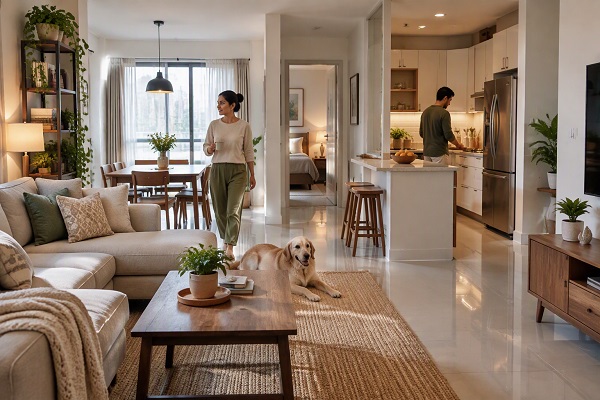
The concept of work-life integration has replaced the traditional idea of work-life balance. With hybrid and remote work now widely normalized, individuals are designing flexible lifestyles where work is not confined to a single location or fixed hours. Digital nomadism has expanded further, with professionals working seamlessly across countries using cloud-based tools, virtual collaboration platforms, and real-time communication systems.
Health and wellness in 2026 are also more technology-driven. Wearable devices and smart health trackers now monitor everything from heart rate variability to mental stress levels. Preventive healthcare has gained importance, with people focusing on early detection and lifestyle optimization rather than reactive treatment. Mental health awareness has also grown, supported by digital therapy platforms and AI-based emotional wellness tools.
Another major development is the shift toward sustainable and climate-conscious living. As climate concerns intensify globally, individuals are making more eco-friendly choices in transportation, energy consumption, and consumption habits. Electric vehicles, smart energy homes, and zero-waste lifestyles are becoming more common, especially in urban centers.
Social interaction has also transformed. While digital platforms continue to dominate communication, there is a growing emphasis on authentic, meaningful connections. People are becoming more selective about online engagement, focusing on quality interactions rather than constant connectivity. Virtual and augmented reality spaces are also creating new forms of social and professional gatherings.
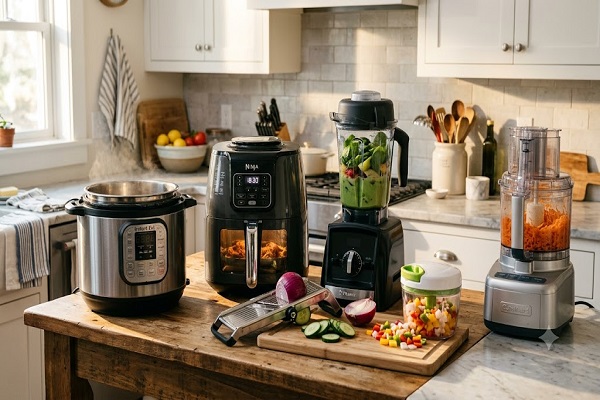
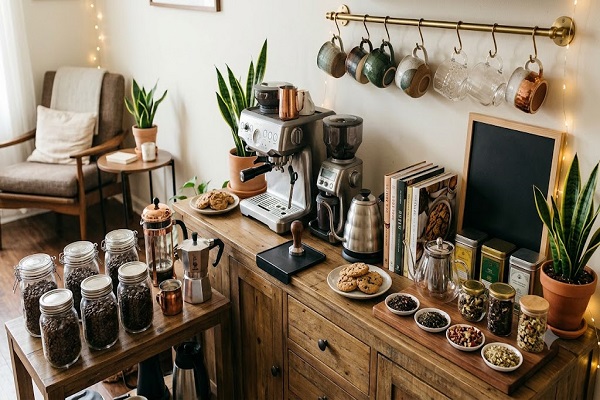
Consumer lifestyle trends in 2026 reflect a preference for personalization and automation. From AI-curated shopping experiences to smart kitchens that suggest meals based on dietary needs, convenience and customization are at the center of modern living. At the same time, there is a counter-trend of “digital detox” movements, where individuals intentionally disconnect to maintain mental clarity.
Education and skill development have also become continuous lifestyle elements. With industries evolving rapidly, lifelong learning is now essential. Micro-learning platforms, AI tutors, and immersive virtual training environments allow people to upgrade skills without disrupting their daily routines.
In conclusion, lifestyle in 2026 is shaped by a powerful blend of technology, sustainability, and flexibility. It reflects a world where humans and intelligent systems coexist closely, creating opportunities for efficiency, health, and creativity. However, the core of a meaningful lifestyle still remains unchanged: balance, purpose, and conscious living in an increasingly connected world.