Instagram Aesthetics and the Rise of 'Perfect' Fashion Culture
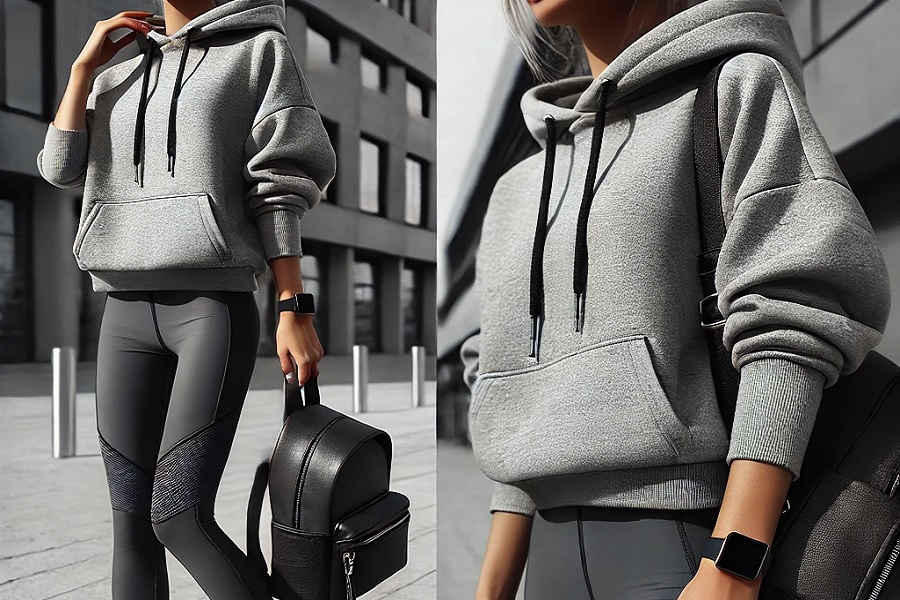
Fashion has always been influenced by culture, media, and social trends, but in the digital age, no platform has shaped style as powerfully as Instagram. What began as a photo-sharing app has evolved into a global fashion stage, where aesthetics, branding, and visual perfection often matter as much as the clothing itself.
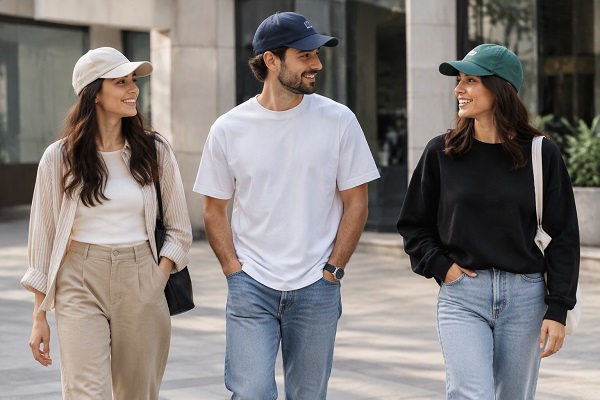
At the center of this shift is the idea of “Instagram aesthetics”—a carefully curated visual style that defines how fashion is presented online. From neutral-toned outfits and minimalist wardrobes to coordinated feeds and picture-perfect poses, fashion is no longer just about what you wear, but how it looks in a frame. This has given rise to a “perfect fashion culture,” where appearance is often polished, filtered, and highly intentional.
This culture has been strongly driven by influencers and content creators who turn personal style into digital brands. Platforms like Instagram have made it possible for individuals to gain massive audiences by showcasing consistent aesthetics. Outfits are no longer shared casually—they are styled, shot, edited, and aligned with a specific visual identity. Fashion becomes content, and content becomes influence.
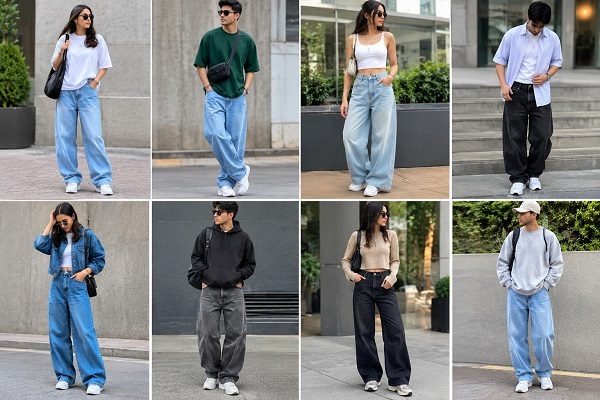
One of the biggest impacts of this trend is the standardization of beauty and style. Certain looks—such as monochrome outfits, luxury-inspired minimalism, or “clean girl” aesthetics—become viral and widely replicated. While this creates inspiration and accessibility to global trends, it also narrows the definition of fashion expression. Many people feel pressure to match these curated standards rather than develop their own unique style.
The rise of “perfect fashion culture” has also changed how people shop. Instead of buying clothing purely for comfort or need, many consumers now purchase outfits based on how they will appear online. A dress or accessory is often chosen not just for wearability, but for its “Instagram value.” This shift has fueled fast-moving trends and increased consumption, as styles must constantly evolve to stay relevant in the digital space.
However, this culture also has a positive side. It has democratized fashion in many ways. You no longer need to be a celebrity or designer to influence style trends. Everyday users can showcase their creativity, build personal brands, and even turn fashion into a career. Small creators now compete alongside major fashion houses, reshaping the industry from the ground up.
At the same time, there is growing awareness of the downsides. The pressure to maintain a flawless online image can affect self-esteem and lead to comparison culture. Many users feel their real-life style does not match the curated perfection they see online. This gap between reality and presentation is becoming an important conversation in the fashion world.
Interestingly, a counter-movement is also emerging. More creators are embracing “real fashion”—unfiltered photos, repeated outfits, and authentic personal style. This shift suggests that while aesthetics remain important, authenticity is slowly becoming the new form of luxury.
Ultimately, Instagram has not just changed how fashion is shared—it has changed how it is defined. The rise of aesthetic-driven fashion culture reflects both the creativity and the pressure of living in a visually dominated world. The challenge now is finding balance: appreciating beauty without losing individuality.