Indian rupee poised to slip after hawkish Fed surprise opens door to rate hike

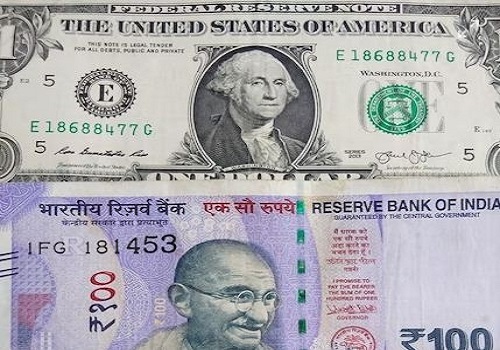
The Indian rupee is set to open weaker on Thursday after a hawkish surprise from the U.S. Federal Reserve boosted bets of an interest rate hike later this year.
The rupee is expected to open in the 94.70–94.75 range on Thursday, traders said, after settling at 94.5250 in the previous session.
Fed policymakers struck a more hawkish tone than expected late Wednesday, with nine of 18 projecting at least one rate hike in 2026. Economists had anticipated far fewer, with Goldman Sachs saying it expected around three members to signal a hike.
Goldman Sachs further flagged the Fed’s inflation outlook, noting the median projection for 2027 core PCE inflation (Q4/Q4) was set at 2.5%, above its 2.3% estimate.
The meeting raises the risk of interest rate hikes later this year, the bank said in a note. However, their base case for now remains that the Fed will leave the policy rate unchanged this year.
"We suspect that most of the (Fed) voters still lean toward an unchanged policy rate and that participants treated the news about a deal with Iran and the reopening of the Strait of Hormuz cautiously for now," it said.
U.S. two-year yield jumped 12 basis points in response, equities dropped, and the dollar strengthened. The robust U.S. data added to the underlying hawkish tone on rates.
Retail sales jumped 0.9% month-on-month in May versus 0.5% expected. Pending home sales rose 3.8% month on month, above all estimates.
The data underscored U.S. economic resilience and came in the wake of the third straight month of robust job growth.
"After a long time, it's not about oil (for the rupee)," a currency trader at a private sector bank said.
"It is difficult to assess how much of this Fed repricing will play out."
Oil prices continued to trend lower after the U.S. and Iran reached an interim agreement to halt the war, reopen the Strait of Hormuz, and resolve what had been the largest energy supply disruption in history.