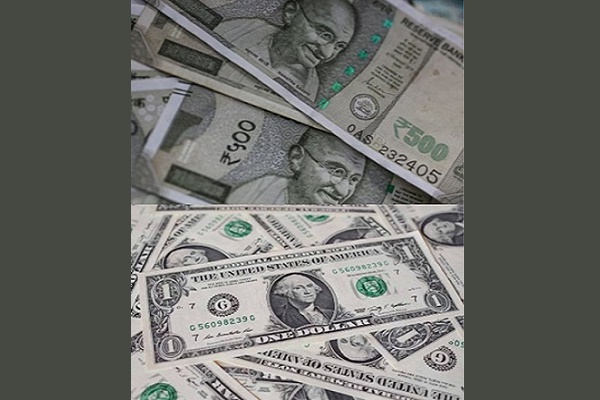
India rupee slips to record low as energy risks deepen, RBI likely cushions fall
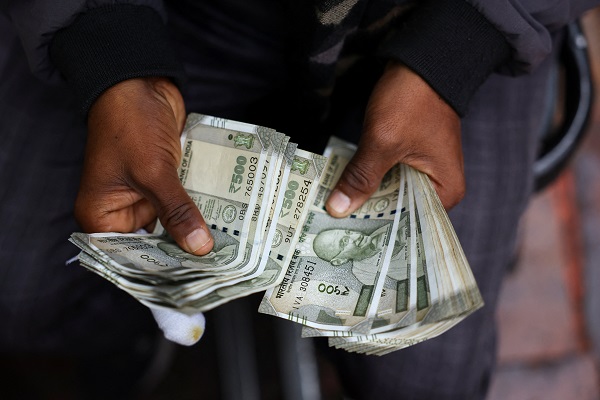
The Indian rupee fell to an all-time low on Thursday, pressured by stubbornly high oil prices and persistent portfolio outflows that have strained the current and capital balances of Asia's third-largest economy.
The rupee fell 0.2% to 95.9575 per U.S. dollar, eclipsing its previous record low of 95.7950 hit on Wednesday.
The currency trimmed losses after Bloomberg News reported, citing people familiar with the matter, that India is considering a significant reduction in the taxes paid by foreign investors on the nation’s bonds.
The rupee was last at 95.73, little changed from the previous close. India's central bank is studying ways to mobilise dollar inflows to bolster its foreign exchange buffers and cushion rising pressure on the rupee, Reuters reported last week.
The months-long Iran war that has pushed up crude and gas prices sharply amid supply disruptions, threatens to slow growth and lift inflation in India, which imports about 90% of its oil needs and about 50% of its gas requirements.
The rupee has declined 1.3% so far this week and hit record lows in each trading session between Tuesday and Thursday.
The central bank has so far sold FX reserves and tapped rare regulatory measures to support the currency, which is Asia's worst performer in 2026 so far.
On Thursday as well, dollar sales from state-run banks - most likely on behalf of the Reserve Bank of India - cushioned the rupee's fall, traders said.
The country is facing a third consecutive year of a balance of payments deficit, prompting economists and traders to bake in expectations of persistent rupee weakness even as central bank interventions curb excessive volatility.
"India's current account deficit appears set to exceed ~2% of GDP, which the RBI has historically identified as the threshold level that India can finance sustainably over the long term," analysts at BofA Global Research said in a note.
Prime Minister Narendra Modi earlier urged citizens to conserve foreign exchange reserves, while the federal government has hiked tariffs on precious metal imports.
"Markets have been quite spooked by the shift in tone from policymakers," a senior trader at a foreign bank said, referring to Modi's remarks and signals from the oil minister that fuel prices may rise soon.
While India has so far kept fuel prices unchanged, the government may need to raise them if the conflict drags on, RBI Governor Sanjay Malhotra said earlier this week.
He added that monetary policy can look through temporary supply shocks but may need to act if inflation pressures become entrenched following the oil price spike.
Government data showed wholesale inflation quickened to a three-and-a-half year high in April, in one of the first clues of the impact the energy shock is having on India's economy.