India added record 15.3 GW of new solar capacity in January-March this year
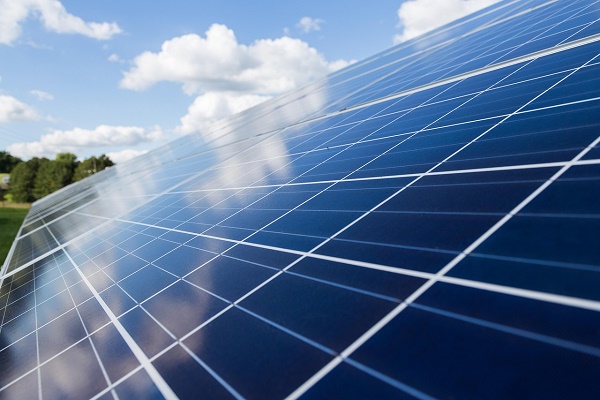
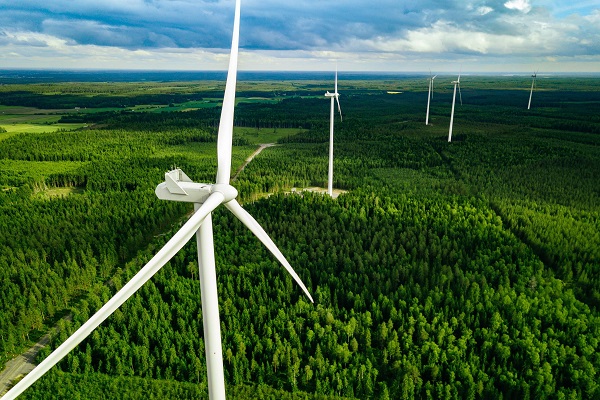
India installed a record 15.3 GW of new solar capacity in the first quarter (January-March) of 2026, marking the highest quarterly addition ever in the country so far, according to a report.
The report by Mercom India Research states that solar installations recorded a 143 per cent year-on-year jump compared with the corresponding figure of 6.3 GW in the same quarter of the previous year. Sequentially, the increase was compared to 10.3 GW added in the preceding October-December quarter of 2025.
Large-scale solar projects accounted for 12.6 GW, or nearly 82 per cent of total installations during the quarter. Open access projects contributed 21 per cent of large-scale capacity additions.
India added 19.9 GW of overall power generation capacity during the quarter, with solar accounting for 77 per cent of the additions. As of March 2026, India’s cumulative installed solar capacity stood at 152 GW. Large-scale solar projects accounted for 85 per cent of the total installed solar base, while rooftop solar contributed 15 per cent.
Solar energy now represents 28 per cent of India’s total installed power capacity and 55 per cent of installed renewable energy capacity. Rajasthan remained the largest large-scale solar market with 32 per cent of cumulative installed capacity, followed by Gujarat at 21 per cent, and Karnataka at 11 per cent.
During the quarter, Gujarat and Rajasthan together accounted for nearly four-fifths of new large-scale installations. The report added that the average cost of large-scale solar projects using TOPCon DCR modules declined marginally on a quarterly basis, though costs remained higher compared to a year earlier.
Mercom said record commissioning activity was driven by a combination of approaching policy deadlines and improved transmission readiness in key solar markets. One of the main drivers was the upcoming implementation of the Approved List of Models and Manufacturers (ALMM) List-II from June 2026, which prompted developers to accelerate project commissioning under the existing procurement framework amid concerns over limited domestic cell availability and rising module procurement costs.
Installation activity was also supported by stronger execution under the Pradhan Mantri Kisan Urja Suraksha evam Utthaan Mahabhiyan (PM-KUSUM) scheme — India's government solar program targeting farmers and rural communities — along with accelerated commissioning of open access projects ahead of the next phase of Inter-State Transmission System (ISTS) waiver reductions.
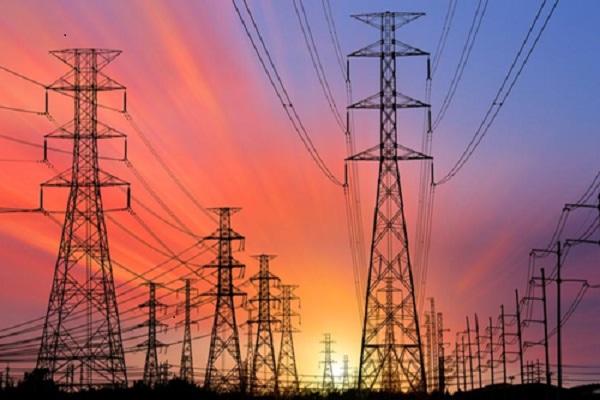
"While project execution and commissioning activity remain strong, transmission readiness and evacuation infrastructure are struggling to keep pace with the rapid growth in renewable capacity. As renewable penetration increases, curtailment, grid flexibility, and storage integration are becoming critical to sustaining future growth," Mercom Capital Group CEO Raj Prabhu said.