How Women Can Build Confidence Through Everyday Skills

Confidence plays an important role in how women approach their personal lives, careers, relationships, and daily responsibilities. It influences the decisions they make, the challenges they accept, and the way they communicate with others. While confidence may come naturally to some people, it is also a quality that can develop through practice, experience, and small everyday achievements.
Learning New Skills Can Make a Difference
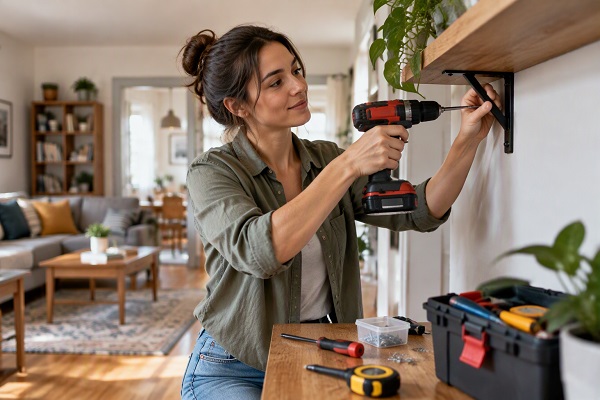
Learning practical skills is one way women can become more confident in their abilities. Activities such as managing personal finances, handling basic household repairs, learning digital tools, or developing communication skills can make everyday tasks easier to manage.
These abilities also encourage independence. Instead of feeling uncertain about unfamiliar situations, women can gradually develop the knowledge needed to approach them with greater clarity. Learning does not have to involve expensive courses or a significant time commitment. Free online tutorials, books, and regular practice can provide a useful starting point.
Speaking Up and Sharing Ideas
Communication is another important part of building confidence. Sharing opinions, asking questions, and expressing personal needs can help women participate more comfortably in conversations at work, at home, and in social settings.
Confidence in communication does not mean speaking the loudest or always having an immediate answer. It involves listening carefully, explaining ideas clearly, and being comfortable asking for clarification when something is unclear.
Practising these habits in everyday conversations can gradually make difficult discussions feel more manageable. Preparing a few key points before a meeting or taking time to organize thoughts can also help reduce nervousness.
Making Independent Decisions
Everyday decisions offer opportunities to develop trust in personal judgment. Choosing a learning goal, planning a budget, organizing a schedule, or deciding how to spend free time can help women understand their priorities and preferences.
Not every decision will produce the desired result, and mistakes are a normal part of learning. Instead of treating every setback as a failure, it can be more helpful to examine what happened and identify what could be done differently next time.
Over time, this approach can support better decision-making and reduce the need to depend on constant approval from others.
Taking Care of Personal Well-Being
Confidence can also be influenced by physical and emotional well-being. Getting adequate rest, making time for enjoyable activities, staying physically active, and maintaining supportive relationships can help create a healthier everyday routine.
Personal well-being does not require following a perfect schedule. Small, realistic habits are often easier to maintain than demanding routines that leave little room for work, family, or personal responsibilities.
Setting boundaries is equally important. Learning to communicate when time or energy is limited can help women balance their responsibilities without automatically agreeing to every request.
Celebrating Small Achievements
People sometimes overlook their progress because they focus only on large milestones. However, completing a task that once seemed difficult, learning something unfamiliar, or handling a challenging conversation can all represent meaningful achievements.
Keeping track of these experiences can help women recognize improvements that might otherwise go unnoticed. It can also provide encouragement during periods when progress feels slow.
Comparing personal progress with someone else's achievements may create unnecessary pressure. Every individual has different circumstances, opportunities, and goals. Focusing on personal improvement makes it easier to recognize growth at a realistic pace.
Conclusion
Building confidence is a gradual process shaped by everyday experiences and choices. For women, learning practical skills, communicating clearly, making independent decisions, and prioritizing personal well-being can all contribute to greater self-assurance.
There is no single way to be confident, and progress does not require changing one's personality. By taking small steps, learning from mistakes, and recognizing personal achievements, women can develop greater trust in their abilities and approach daily challenges with a stronger sense of independence.