How to Build a Versatile Wardrobe Without Following Every Fashion Trend
Fashion is constantly changing, with new styles, colors, and clothing trends appearing every season. While following trends can be enjoyable, creating a wardrobe that works for different occasions does not require buying new clothes all the time. A versatile wardrobe focuses on clothing that is comfortable, easy to combine, and suitable for everyday needs.
Start With Essential Clothing Pieces
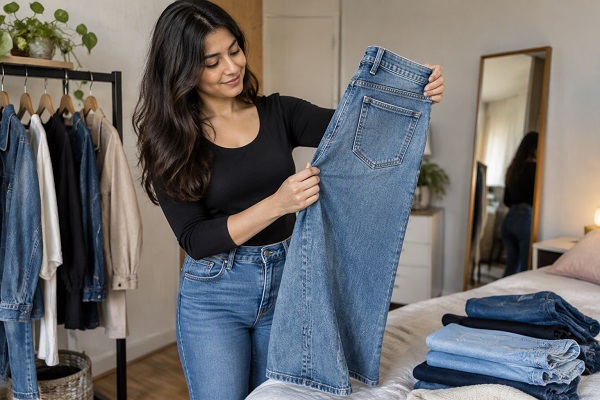
Building a versatile wardrobe begins with a few essential clothing items that can be styled in different ways. Plain T-shirts, well-fitted jeans, neutral trousers, comfortable shirts, and lightweight jackets can serve as the foundation for many outfits.
These pieces are useful because they can be combined with different colors, patterns, and accessories. For example, a white shirt can be worn with jeans for a casual outing or paired with tailored trousers for a more formal setting. Choosing items that work well together makes getting dressed simpler and reduces the need for frequent shopping.
Choose Colors That Work Together
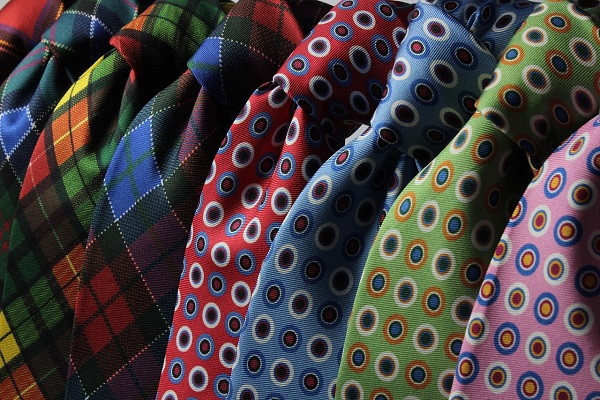
Color coordination can make a wardrobe more practical. Neutral shades such as black, white, beige, grey, and navy are generally easy to pair with one another. Adding a few brighter colors or interesting patterns can bring variety without making outfits difficult to coordinate.
Understanding personal preferences is also important. Some people enjoy bold colors, while others prefer subtle combinations. The goal is not to follow a strict color rule but to select shades that complement existing clothes and suit different occasions.
Focus on Fit and Comfort
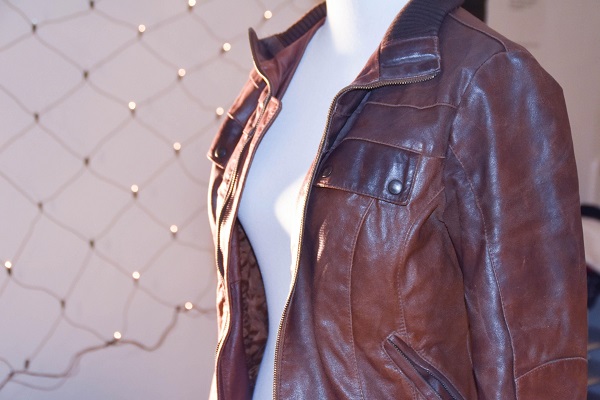
Clothing often looks and feels better when it fits properly and allows comfortable movement. An outfit does not need to be expensive or follow the latest trend to look stylish. Paying attention to the fit of shirts, trousers, dresses, and jackets can make a noticeable difference in the overall appearance.
Comfort matters just as much. Breathable fabrics may be useful in warm weather, while layers can help during cooler conditions. Considering the climate, daily activities, and personal comfort before purchasing clothes can help create a wardrobe that is practical as well as fashionable.
Use Accessories to Create Different Looks
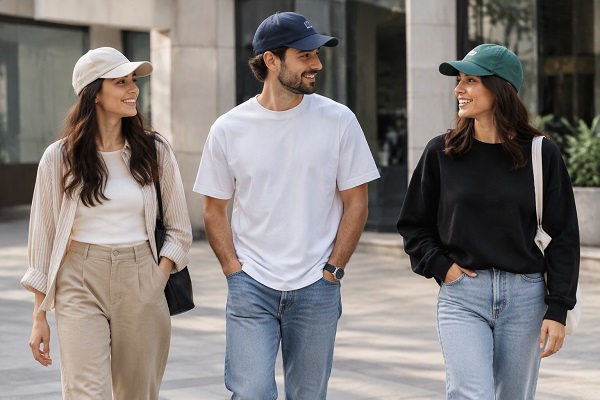
Accessories can change the appearance of an outfit without requiring an entirely new set of clothes. Belts, watches, scarves, handbags, jewellery, and footwear can add personality to simple combinations.
For instance, the same shirt and trousers can create different looks when paired with sneakers for a relaxed outing or formal shoes for a more polished occasion. Accessories should complement the outfit rather than make it feel unnecessarily complicated.
Choosing a few useful accessories that match several clothing items can also help reduce clutter and unnecessary spending.
Shop With a Clear Purpose
Impulse shopping can lead to a wardrobe filled with clothes that are rarely worn. Before buying something new, it helps to consider whether the item matches existing pieces, fits comfortably, and suits the occasions for which it is needed.
Making a shopping list can help people focus on genuine wardrobe gaps instead of purchasing items simply because they are popular. Checking the quality of stitching, fabric, buttons, and zippers can also help determine whether an item is likely to remain useful over time.
Fashion does not have to be expensive to be effective. Rewearing favorite outfits, exploring second-hand clothing, and learning new ways to style existing pieces can provide variety without constant purchases.
Develop a Personal Fashion Style
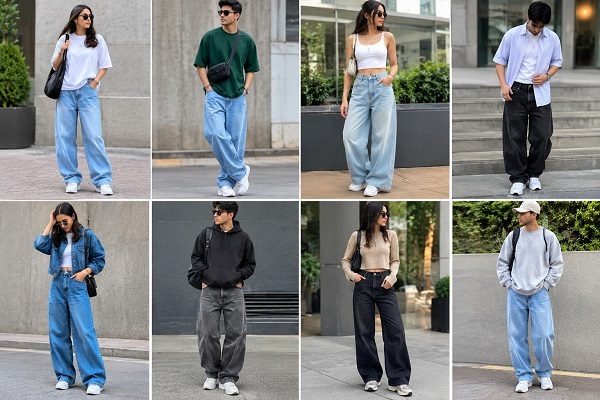
Personal style develops through experimentation and experience. Trying different combinations can help people discover which silhouettes, colors, and fabrics they enjoy wearing. Inspiration from fashion magazines, social media, and street style can offer ideas, but every trend does not need to become part of an individual wardrobe.
The most useful approach is to choose clothing that reflects personal preferences and suits everyday life. A clear sense of style can make shopping decisions easier and reduce the pressure to keep up with changing fashion trends.
Conclusion
Building a versatile wardrobe is about making thoughtful clothing choices rather than owning the largest collection of clothes. Essential pieces, coordinated colors, comfortable fits, and well-chosen accessories can help create outfits for a range of occasions.
By shopping with a purpose and developing a personal style, anyone can enjoy fashion while keeping their wardrobe practical and manageable. A little creativity with existing clothes can often make a bigger difference than buying something new.