How Table Lamps Can Create Different Lighting Zones at Home
Lighting plays an important role in how a home looks and feels. While ceiling lights can illuminate an entire room, table lamps offer a more flexible way to create different lighting zones for everyday activities. From reading a book to working at a desk or relaxing in the evening, the right table lamp can make a space more comfortable and functional.
Create a Comfortable Reading Corner
A table lamp placed beside a sofa or an armchair can turn an unused corner into a reading space. Choose a lamp that directs enough light towards your book without creating harsh glare. A small side table can hold the lamp along with books, reading glasses and other essentials.
The goal is to make reading convenient without needing to illuminate the entire room.
Make Your Work Desk More Practical
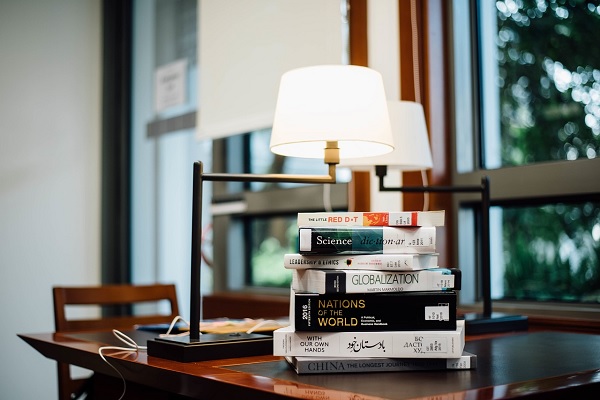
Table lamps can provide focused lighting for activities such as writing, studying or working on paperwork. Position the lamp so that its light falls on the work surface rather than directly into your eyes.
For right-handed users, placing the lamp on the left side can help reduce shadows created by the writing hand. Left-handed users may find the opposite arrangement more useful. When working with a computer, adjust the lamp to minimise reflections on the screen.
Add Soft Lighting to the Bedroom
Bedrooms often benefit from lighting that feels softer than bright overhead illumination. A table lamp on a bedside table can provide enough light for reading, organising personal items or moving around before sleep.
Matching lamps on both sides of a bed can create a balanced appearance, although different lamps can also work well when their shapes, colours or proportions complement each other.
A warm-white bulb is often a comfortable choice for a relaxing atmosphere. The ideal brightness depends on the activity and personal preference.
Highlight a Living Room Corner
A table lamp can make a side table, console or empty corner feel more intentional. Placing one near a decorative object, framed photograph or indoor plant can draw attention to that part of the room.
Instead of lighting every corner equally, combine table lamps with ceiling lights to create visual variety. This can make a living room feel layered rather than uniformly bright.
Create a Welcoming Entryway
An entryway table with a lamp can make the entrance of a home feel more inviting. The lamp also provides a convenient source of light when entering the house in the evening.
Choose a lamp that fits the size of the table and leaves enough space for everyday items such as keys, a small tray or mail. A compact design is usually more practical for a narrow entrance.
Choose the Right Lamp for Each Zone
Different activities require different types of lighting. A reading corner needs useful task lighting, while a decorative lamp may focus more on creating atmosphere. Before buying one, consider the size of the space, the height of nearby furniture, the direction of the light and the type of bulb required.
The lampshade also matters. Light-coloured shades often allow more light to pass through, while darker or more opaque shades may direct light mainly upwards or downwards, depending on the design.
LED bulbs are another practical option because they generally use less electricity than traditional incandescent bulbs and are available in a range of brightness levels and colour temperatures.
Combine Table Lamps With Other Light Sources
Table lamps work best when they complement, rather than completely replace, other lighting in a room. General ceiling lighting can illuminate the main space, while table lamps provide focused or decorative light in specific areas. Floor lamps and wall lights can add further flexibility where needed.
Using separate switches or dimmable bulbs, where compatible, makes it easier to adjust the lighting for different times of day and activities.
Conclusion
Table lamps are more than decorative accessories. They can help divide an open room into practical lighting zones, improve the comfort of reading and working areas, and add warmth to bedrooms and living spaces.
By choosing suitable lamp designs, placing them thoughtfully and combining them with other light sources, homeowners can make rooms more functional without major changes to their interiors. Sometimes, a well-positioned lamp is all it takes to give a familiar space a different feel.