How Indian Fashion Is Going Global
Indian fashion is experiencing a remarkable transformation. What was once largely associated with weddings, festivals and traditional occasions is now becoming a growing influence on global fashion.
From the timeless elegance of the saree to intricate embroidery, handwoven fabrics and contemporary Indo-Western designs, Indian fashion is attracting attention from international designers, celebrities, luxury brands and consumers.
The global fashion industry is increasingly looking towards India not only as a large consumer market but also as a source of design, craftsmanship, creativity and cultural inspiration.
From Traditional Wear to Global Fashion
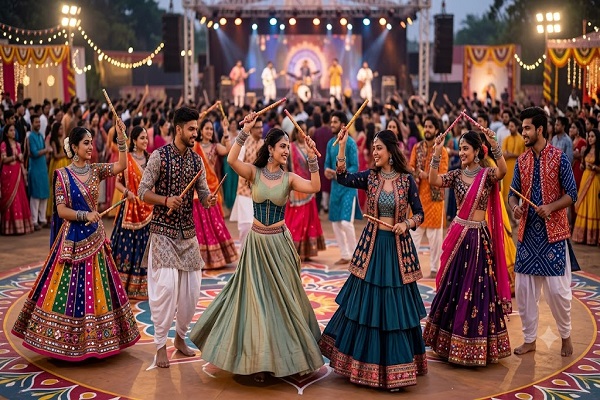
Indian fashion has always had a strong identity. Rich textiles, detailed embroidery, vibrant colours and centuries-old craftsmanship have made Indian clothing instantly recognisable.
However, the biggest change is happening in how these traditional elements are being presented.
Modern Indian designers are blending heritage with contemporary silhouettes. Traditional embroidery is appearing on modern jackets, Indian textiles are being transformed into dresses and co-ord sets, while classic garments are being redesigned for international audiences.
This combination of tradition and modern design is helping Indian fashion move beyond its conventional boundaries.
The Growing Global Interest in Indian Designers
Indian designers are increasingly gaining visibility outside the country through international fashion events, collaborations, luxury retail and celebrity appearances.
Their designs are being noticed for their craftsmanship and attention to detail, particularly in categories such as bridal wear, couture, occasion wear and luxury fashion.
Instead of simply reproducing traditional Indian clothing, many designers are creating collections that combine Indian techniques with global fashion aesthetics.
This approach makes Indian fashion easier for international consumers to understand and incorporate into their wardrobes.
Bollywood and Indian Celebrities Are Playing a Major Role
Celebrity culture has become one of the strongest drivers of fashion globally, and Indian celebrities are helping take Indian fashion to international audiences.
When Bollywood stars and Indian public figures wear Indian designers at major international events, their outfits can quickly reach millions of people through social media.
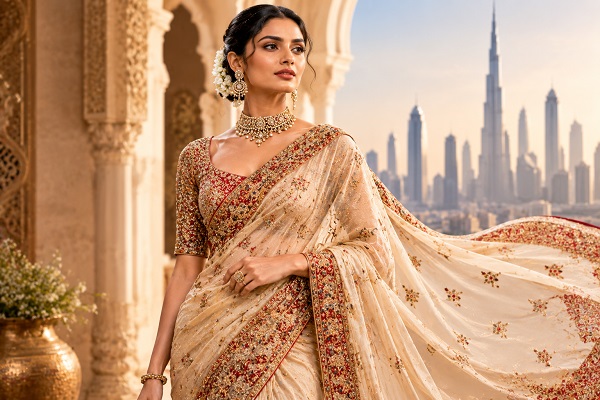
The saree, for example, is increasingly being presented in modern ways — through unusual draping styles, contemporary blouses, minimalist accessories and experimental fabrics.
This has helped change the perception of Indian clothing from purely traditional attire to something that can also be modern, sophisticated and globally relevant.
Social Media Has Changed the Game
The rise of Instagram, YouTube, Pinterest and other digital platforms has dramatically changed the fashion industry.
Earlier, an Indian designer looking to reach international customers needed access to global fashion magazines, retailers or physical stores.
Today, a designer can showcase a collection online and potentially reach customers across multiple countries within minutes.
Fashion influencers and creators have also become important trendsetters. Indian fashion content can now be discovered by audiences who may have never visited India or previously interacted with Indian clothing.
This digital exposure has created opportunities for smaller designers and independent fashion labels as well.
The Rise of Indo-Western Fashion
One of the biggest reasons Indian fashion is becoming more accessible globally is the rise of Indo-Western clothing.
International consumers may not always want to wear a traditional saree or lehenga in its conventional form. But they may be interested in a modern dress featuring Indian embroidery, a jacket made from Indian textiles or a contemporary outfit inspired by Indian silhouettes.
This is where Indo-Western fashion becomes important.
It allows designers to preserve Indian craftsmanship while adapting the final product to modern international wardrobes.
The result is a style that feels familiar to global consumers while still carrying a distinct Indian identity.
India's Textile Heritage Is a Major Advantage
India has one of the world's most diverse textile and handicraft traditions.
From handloom weaving to block printing, embroidery, dyeing and regional textile techniques, Indian fashion has access to an enormous pool of craftsmanship.
Each region brings something different to the fashion landscape.
This diversity gives Indian designers the ability to create products with a strong story and cultural identity — qualities that are becoming increasingly valuable in a global market where consumers are looking for something beyond mass-produced clothing.
Luxury Fashion Is Opening New Opportunities
Indian craftsmanship is particularly well positioned in the global luxury segment.
Luxury consumers often look for exclusivity, craftsmanship, heritage and attention to detail. These are areas where Indian fashion has significant strengths.
Intricate embroidery, hand-crafted embellishments and limited-production designs can provide Indian luxury labels with a strong point of differentiation.
As Indian luxury brands become more internationally recognised, the opportunity extends beyond traditional Indian clothing to handbags, accessories, footwear, jewellery and contemporary fashion.
E-Commerce Is Taking Indian Fashion Across Borders
The growth of e-commerce has removed one of the biggest barriers faced by Indian fashion brands: physical distribution.
A brand no longer necessarily needs stores in London, New York or Dubai to reach customers in those markets.
Through its website, social media and international shipping networks, a fashion label can showcase products directly to customers around the world.
This is particularly important for emerging Indian designers who may not have the financial resources to build an international retail network immediately.
Digital commerce allows them to test international demand, build a global customer base and expand gradually.
Sustainability Could Give Indian Fashion Another Advantage
The global fashion industry is facing increasing pressure to become more sustainable.
Consumers are paying greater attention to where their clothes come from, how they are produced and how long they are likely to last.
India's handloom traditions, artisanal production and craft-based techniques could provide an advantage in this environment.
However, Indian brands will need to demonstrate genuine sustainability rather than simply using sustainability as a marketing term.
Transparent supply chains, responsible sourcing, fair treatment of artisans and environmentally conscious production will become increasingly important.
Challenges Indian Fashion Still Needs to Overcome
Going global comes with its own challenges.
Indian fashion brands have to compete with established international labels that already have strong distribution networks and global recognition.
Brands also need to understand international sizing, customer expectations, pricing, logistics, taxation and regulations.
Another major challenge is maintaining authenticity while making products commercially appealing to global consumers.
If brands move too far away from their roots, they risk losing the cultural identity that makes Indian fashion unique.
The real opportunity lies in finding the right balance between **heritage and modernity**.
India Could Become More Than a Fashion Market
India is already one of the world's largest consumer markets, but its role in global fashion could become much larger.
The country's growing middle class, expanding luxury market, young consumer base, strong textile industry and digital ecosystem are creating a powerful fashion environment.
At the same time, Indian designers are increasingly demonstrating that Indian craftsmanship can be translated into globally relevant fashion.
This combination could allow India to evolve from being primarily a consumer market into an important global fashion hub.
What the Future Could Look Like
The future of Indian fashion is unlikely to be about choosing between traditional and modern design.
Instead, the strongest brands may be those that successfully combine both.
Imagine traditional Indian embroidery on contemporary silhouettes, centuries-old weaving techniques used in modern luxury collections, Indian jewellery paired with international fashion and local artisans working with designers to create products for customers around the world.
That is the direction in which Indian fashion is moving.
Final Thoughts
Indian fashion has reached a point where its influence is no longer confined to India's borders.
Traditional craftsmanship, modern design, celebrity influence, social media, e-commerce and growing international interest are creating new opportunities for Indian designers and brands.
The global fashion industry is increasingly recognising what India has always possessed — **craftsmanship, creativity, colour, heritage and an enormous design vocabulary.**
The next phase of Indian fashion may therefore be bigger than simply exporting clothes.
It could be about **exporting Indian creativity, craftsmanship and design philosophy to the world.**