Hotel Lighting Quality Reviews: Evaluating Comfort, Ambience and Guest Experience
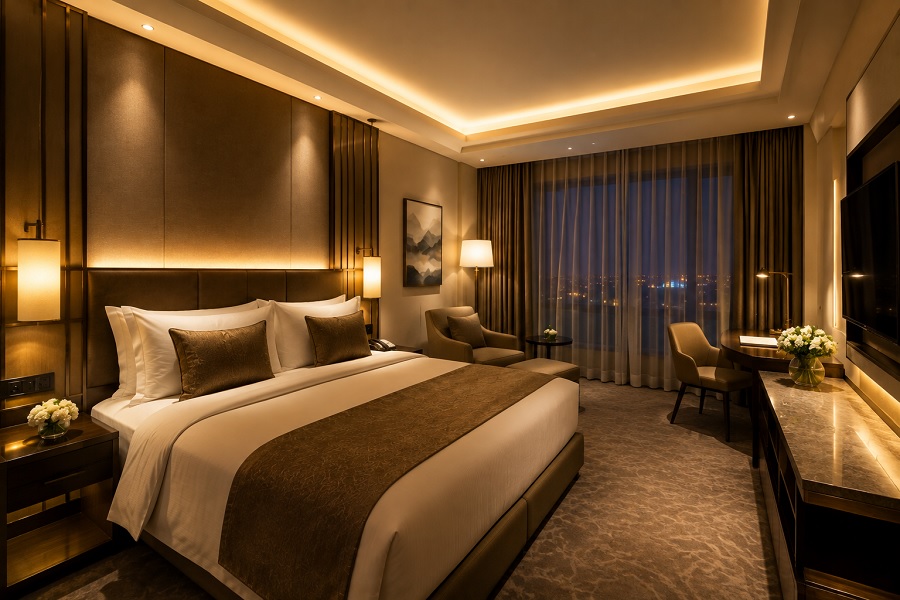
Hotel Lighting Quality Reviews: Why Lighting Matters for a Better Stay
Hotel lighting quality is an important but sometimes overlooked part of the guest experience. While travellers often focus on room size, cleanliness, bed comfort, location and amenities when reviewing accommodation, lighting can strongly influence how comfortable, functional and welcoming a hotel feels.
From warm bedside lamps and bright bathroom lighting to natural daylight and smart lighting controls, a well-designed hotel lighting system can improve the atmosphere of a room while supporting different guest needs throughout the day.
What Is Hotel Lighting Quality?
Hotel lighting quality refers to the overall effectiveness, comfort, brightness, colour appearance and placement of lighting throughout a property. A good hotel lighting system should provide sufficient illumination without creating uncomfortable glare or making the room feel harsh.
Lighting can be evaluated across several areas:
Guest rooms
Bathrooms
Corridors
Reception areas
Restaurants
Lobbies
Meeting rooms
Outdoor spaces
Swimming-pool areas
Parking facilities
A comprehensive hotel lighting review should consider both appearance and practical functionality.
Why Lighting Is Important in Hotel Reviews
Lighting can influence a guest's first impression as soon as they enter a property. A welcoming lobby with balanced illumination can create a comfortable atmosphere, while poorly lit corridors or reception areas can make a property feel less inviting.
In guest rooms, lighting becomes even more important because travellers use the space for multiple purposes. A guest may want bright lighting to work, softer lighting to relax and focused lighting for reading.
Therefore, hotel lighting reviews should examine whether the lighting adapts effectively to different activities.
Natural Light in Hotel Rooms
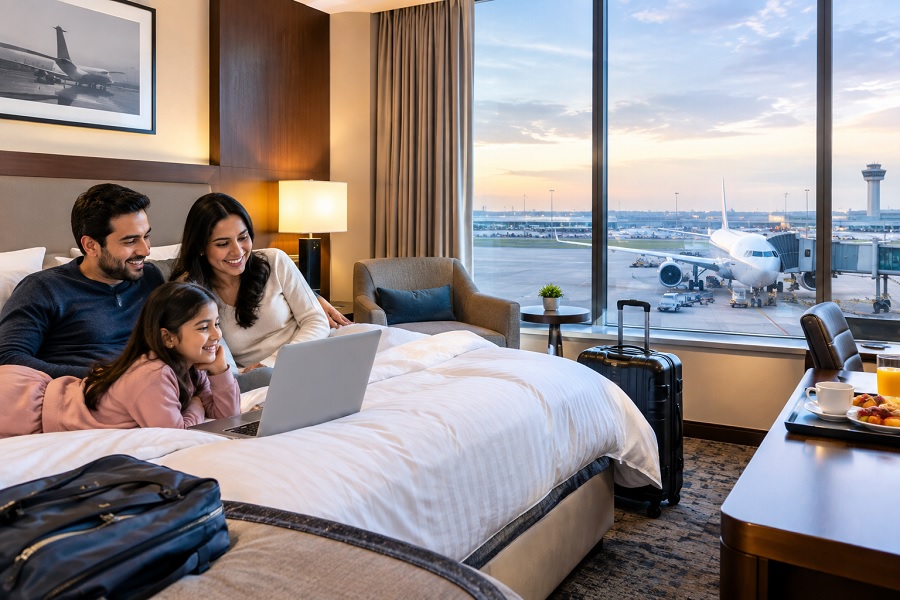
Natural daylight is one of the most desirable lighting features in accommodation. Large windows, balconies and well-positioned rooms can provide pleasant daylight during the morning and afternoon.
When reviewing natural lighting, guests can consider:
Window size
Room orientation
Curtain quality
Blackout capability
Daytime brightness
Views from windows
Privacy
Glare from direct sunlight
A room with excellent natural light can feel more spacious and comfortable, particularly during daytime.
Bedroom Lighting Quality
Bedroom lighting should provide a balance between functionality and relaxation. Overhead lights alone may not be sufficient for all guests.
Useful room lighting can include:
Ceiling lights
Bedside lamps
Reading lights
Desk lamps
Floor lamps
Wardrobe lighting
Decorative lighting
Adjustable task lighting
Bedside lighting is particularly important because guests may want to read, use electronic devices or move around the room at night without turning on bright ceiling lights.
Bedside Reading Lights
A good hotel room review should pay particular attention to reading lights.
An effective bedside reading light should be:
Easy to reach
Independently controlled
Bright enough for reading
Adjustable when possible
Positioned to minimize glare
Available on both sides of the bed in double-occupancy rooms
Poorly positioned reading lights can illuminate one guest's side of the bed while disturbing another person.
Bathroom Lighting Reviews
Bathroom lighting deserves special attention because guests often use the space for grooming, shaving, applying makeup and getting ready for the day.
Good bathroom lighting should provide clear illumination around mirrors without producing excessive shadows.
A hotel bathroom lighting review can examine:
Mirror lighting
Shower lighting
Ceiling illumination
Makeup lighting
Colour appearance
Brightness
Glare
Night lighting
A dedicated mirror light can be especially useful because overhead lighting may create shadows on the face.
Colour Temperature and Ambience
The colour appearance of hotel lighting can influence the atmosphere of a room. Warm lighting often creates a relaxed and comfortable feeling, while cooler lighting can provide a brighter and more energetic appearance.
Hotels may use different lighting environments for different areas:
Warm lighting for bedrooms
Functional lighting for bathrooms
Brighter lighting for workspaces
Decorative lighting for restaurants
Balanced lighting for reception areas
The best lighting design is usually not about maximum brightness. It is about using the right type of light for the activity and environment.
Hotel Desk and Work Area Lighting
Business travellers and remote workers often need adequate desk lighting. A beautiful room can still receive a poor review if the workspace is too dark for reading or computer work.
A hotel desk lighting review should consider:
Desk lamp availability
Adjustable brightness
Position of the light
Glare on computer screens
Power outlets
Natural daylight
Comfort during extended work
Dedicated task lighting can make hotel rooms more practical for business guests.
Corridor and Common-Area Lighting
Hotel lighting reviews should not be limited to guestrooms. Corridors, elevators, stairways and common spaces also influence guest perception.
Common-area lighting should provide sufficient visibility while maintaining the hotel's overall design style.
Poorly lit corridors can feel uncomfortable, particularly at night. Well-planned lighting can help guests navigate the property while creating a pleasant visual environment.
Lobby and Reception Lighting
The lobby is often the first major interior space guests experience. Lighting can contribute significantly to the property's identity.
A hotel lobby may combine:
Ambient lighting
Decorative fixtures
Pendant lights
Wall lighting
Accent lighting
Natural daylight
Reviewers can evaluate whether the lighting creates a welcoming atmosphere without excessive brightness or uncomfortable shadows.
Restaurant and Café Lighting
Hotel restaurants require lighting that supports both food presentation and guest comfort.
Restaurants may use softer ambient lighting during dinner while providing brighter illumination during breakfast or lunch.
When reviewing restaurant lighting, consider:
Table visibility
Food presentation
Glare
Seating comfort
Evening ambience
Natural daylight
Decorative lighting
Lighting should complement the dining experience rather than becoming a distraction.
Smart Hotel Lighting
Technology is increasingly influencing hotel-room design. Smart lighting systems can allow guests to control brightness, lighting zones and sometimes colour settings through wall controls, remote systems or mobile applications.
Smart lighting can provide greater personalization, especially in premium and modern hotels.
Useful features may include:
Individual room controls
Bedside master switches
Motion sensors
Automatic night lighting
Energy-saving controls
Smart-room integration
Preset lighting scenes
However, technology should remain easy to understand. Complicated controls can negatively affect the guest experience.
Energy Efficiency
Energy efficiency is another important factor in hotel lighting reviews. Hotels operate lighting systems across guestrooms, corridors, restaurants, offices and outdoor areas, making efficient lighting an important operational consideration.
Energy-saving approaches can include:
LED lighting
Occupancy sensors
Daylight sensors
Automated controls
Timers
Efficient lighting design
LED lighting is widely used because of its energy efficiency and long operating life.
Outdoor Hotel Lighting
Outdoor lighting can influence both aesthetics and safety. Hotel entrances, pathways, gardens, parking areas and terraces require suitable illumination.
A review can examine whether outdoor areas are:
Clearly visible
Comfortable to walk through
Attractive at night
Free from excessive glare
Appropriately illuminated
Landscape lighting can also enhance gardens, water features and architectural details.
Hotel Lighting and Guest Comfort
Lighting should support different guest activities throughout the day. Travellers may need bright light when getting ready, focused light while working and softer light before sleeping.
Hotels that provide multiple lighting options allow guests to personalize their environment more effectively.
This is why lighting quality should be considered alongside other accommodation factors such as room design, noise levels, temperature control and mattress comfort.
Common Hotel Lighting Problems
Some lighting problems frequently affect guest satisfaction:
Insufficient room brightness
Excessively bright ceiling lights
Flickering bulbs
Poorly positioned lamps
Limited bedside controls
Dark bathrooms
Shadows around mirrors
Glare from fixtures
Complicated smart controls
Lack of reading lights
Poor corridor illumination
Broken or non-functioning fixtures
These details may seem minor, but they can significantly influence the overall perception of a hotel room.
How to Write a Hotel Lighting Quality Review
A useful hotel lighting review should be specific rather than simply saying that the lighting was "good" or "bad."
For example, a detailed review can describe:
Room: The room received good natural daylight during the morning and included adjustable bedside lamps.
Bathroom: Mirror lighting was bright enough for grooming, although additional side lighting would improve visibility.
Work Area: The desk included a dedicated lamp that provided adequate illumination for laptop work.
Ambience: Warm bedside lighting created a comfortable atmosphere during the evening.
Overall: The combination of natural daylight, task lighting and adjustable lamps provided a practical lighting experience.
Hotel Lighting Quality Review Checklist
Before reviewing a hotel, guests can check:
Is the room naturally well-lit?
Are bedside lamps available?
Can each bedside light be controlled independently?
Is the bathroom mirror adequately illuminated?
Is the desk bright enough for working?
Are there excessive shadows?
Is there uncomfortable glare?
Are the lighting controls easy to use?
Are all fixtures functioning properly?
Does the lighting create a comfortable atmosphere at night?
Conclusion
Hotel Lighting Quality Reviews provide valuable insight into an accommodation experience that is often overlooked. Effective lighting can make a room feel more comfortable, functional and welcoming, while poor lighting can create unnecessary inconvenience.
A high-quality hotel lighting system should combine natural daylight, practical task lighting, comfortable ambient illumination, effective bathroom lighting and convenient controls. Energy-efficient technology and smart controls can further improve the experience when they are implemented thoughtfully.
For travellers comparing hotels, lighting quality is worth considering alongside cleanliness, room comfort, service, location and value for money. A well-lit hotel does more than look attractive. It helps guests work, relax, sleep, get ready and enjoy their stay comfortably.