Higher Soybean Prices to Boost India's Acreage by Amit Gupta, Kedia Advisory
Higher Soybean Prices to Boost India’s Acreage
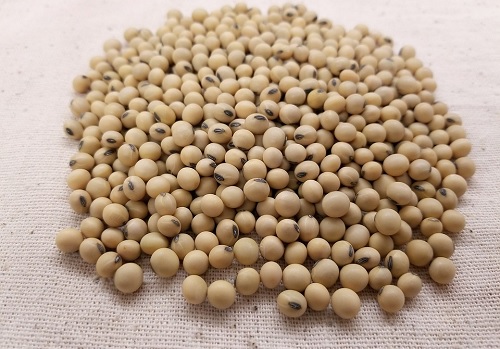
India's soybean acreage is expected to increase during the current kharif season as farmers respond to four-year-high soybean prices and forecasts of below-normal monsoon rainfall linked to El Niño conditions. Farmers are likely to shift land away from more water-intensive crops such as sugarcane and corn toward soybean, which requires comparatively less moisture. Industry estimates suggest soybean planting could rise by up to 10% from last year's 12 million hectares. A larger soybean crop would help India reduce imports of edible oils, ease domestic soybean and soymeal prices, and support the country's poultry industry, a major consumer of soymeal.
Key Highlights
- India's soybean acreage could increase by up to 10% this kharif season.
- Four-year-high soybean prices are encouraging farmers to expand planting.
- Weak monsoon forecasts and El Niño concerns are favoring less water-intensive crops.
- Higher soybean output could reduce India's edible oil import dependence.
- Soybean imports are expected to reach a record 900,000 tons this year due to lower production last season.
Soybean prices have remained well supported in the domestic market, encouraging Indian farmers to increase acreage during the ongoing kharif planting season. Attractive returns from soybean cultivation, combined with concerns over below-normal rainfall, are expected to drive a shift in crop preferences across key growing regions.
According to industry estimates, India's soybean acreage could rise by as much as 10% from last year's 12 million hectares. The expansion is being supported by soybean prices trading near four-year highs, improving profitability for farmers. Higher prices have strengthened planting incentives at a time when growers are making decisions on summer-sown crops.
Weather concerns are also playing an important role in acreage decisions. Forecasts indicate that the southwest monsoon may be weaker than usual due to the emergence of El Niño conditions. Since soybean requires less water compared to competing crops such as sugarcane and corn, many farmers are expected to allocate more land to the oilseed crop to reduce weather-related risks.
A larger soybean harvest would be beneficial for India's edible oil sector. As the country's primary summer-sown oilseed crop, increased soybean production could help reduce reliance on imports of palm oil, soybean oil, and sunflower oil. Higher domestic availability would also support soybean processing activity and improve supplies of soymeal.
Industry officials note that while acreage is expected to increase, final production will largely depend on rainfall distribution during the monsoon season. Adequate moisture during critical crop growth stages will be essential to achieving higher yields and realizing the benefits of expanded planting.
Rising soybean prices and concerns over weak monsoon rains are encouraging farmers to expand acreage, potentially boosting domestic oilseed production and reducing India's dependence on imported edible oils.
Above views are of the author and not of the website kindly read disclaimer



.jpg)