Heritage Tourism in Punjab: Exploring History, Culture and Living Traditions
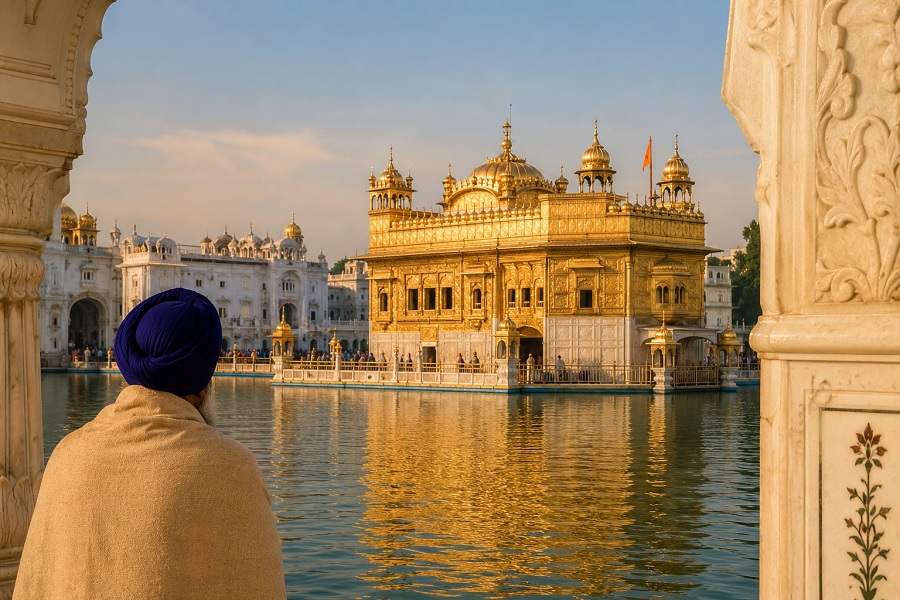
Punjab is a land of rich history, vibrant traditions and diverse cultural heritage. Known for its warm hospitality, colorful festivals, historic monuments and distinctive architecture, the state offers travelers a fascinating journey through India's past and present. Heritage tourism in Punjab allows visitors to explore ancient forts, magnificent palaces, historic cities, sacred sites, museums and traditional villages while experiencing the region's unique way of life.
From the historic streets of Amritsar and Patiala to the architectural beauty of Bathinda and the cultural landscapes of rural Punjab, the state offers a wide range of experiences for travelers interested in history and culture.
Amritsar: A Cultural and Historical Gateway
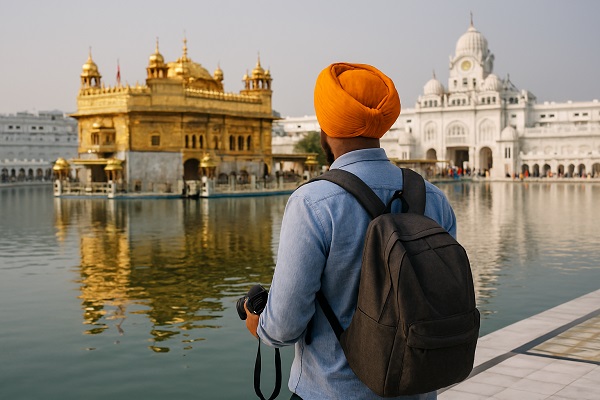
Amritsar is one of Punjab's most important heritage destinations. The city is famous for the Golden Temple, one of the most significant spiritual and architectural landmarks in India. Its golden façade, peaceful water tank and beautifully designed complex attract visitors from across the world.
The Jallianwala Bagh is another important historical site. It provides an opportunity for visitors to learn about a significant chapter in India's freedom movement. The site, together with the nearby heritage areas of Amritsar, helps travelers understand the city's historical importance.
Visitors can also explore the old markets and traditional streets of the city to experience local food, handicrafts and Punjabi culture.
Patiala: Royal Heritage and Architecture
Patiala is known for its royal history and magnificent architecture. The city was historically associated with the Patiala royal family and offers several attractions connected with Punjab's princely past.
The Qila Mubarak complex is an important heritage attraction, showcasing traditional architectural elements and the history of the Patiala dynasty. The city is also known for its palaces, museums and traditional crafts.
Patiala's cultural identity is closely connected with Punjabi music, dance, clothing and cuisine, making it an interesting destination for travelers looking for an immersive cultural experience.
Bathinda and Its Historic Fort
Bathinda is home to one of the oldest surviving forts in Punjab. Qila Mubarak is an important historical structure that reflects the region's long and complex history.
The fort and surrounding areas provide an opportunity to explore Punjab's architectural heritage while learning about the historical events and rulers associated with the region.
Bathinda is also an emerging destination for travelers interested in exploring lesser-known heritage attractions away from Punjab's more famous tourist centers.
Anandpur Sahib and Sikh Heritage
Anandpur Sahib holds an important place in Punjab's cultural and religious heritage. The city is closely associated with Sikh history and is an important destination for heritage and spiritual tourism.
The town's historical significance, religious institutions and annual festivals attract visitors interested in learning about Sikh traditions and history. The Virasat-e-Khalsa museum is a major cultural attraction that presents the history and heritage of the Sikh community through architecture, exhibitions and storytelling.
Rural Heritage Tourism in Punjab
Punjab's heritage is not limited to cities and monuments. The state's villages offer travelers a chance to experience traditional Punjabi life.
Rural heritage tourism can include visits to farms, traditional homes, local markets and craft workshops. Visitors can enjoy authentic Punjabi food, observe agricultural practices and participate in cultural activities.
Traditional Punjabi hospitality is an important part of the rural tourism experience. Travelers may have opportunities to enjoy local dishes such as sarson da saag and makki di roti while experiencing the relaxed atmosphere of village life.
Punjabi Folk Culture and Performing Arts
Music and dance are central to Punjab's cultural identity. Traditional forms such as Bhangra and Giddha are widely recognized around the world and remain important parts of the state's cultural celebrations.
Travelers can experience Punjabi folk music and dance during festivals, cultural events and village celebrations. These performances provide a lively way to understand the traditions and social life of the region.
Traditional musical instruments, folk costumes and storytelling also contribute to Punjab's rich intangible cultural heritage.
Festivals and Cultural Celebrations
Punjab hosts numerous festivals and cultural celebrations throughout the year. Baisakhi is one of the most important festivals, combining agricultural traditions with cultural and religious celebrations.
Other festivals and events provide opportunities to experience traditional music, dance, food and handicrafts. Visitors planning a heritage trip around festival dates can enjoy a more immersive experience of Punjabi culture.
Punjabi Food as Cultural Heritage
Food is an essential part of Punjab's heritage tourism experience. Punjabi cuisine is famous for its rich flavors, traditional cooking methods and use of fresh ingredients.
Visitors can explore local dishes in restaurants, roadside eateries, food markets and rural homes. Popular foods include sarson da saag, makki di roti, chole bhature, Amritsari kulcha, lassi and various tandoori dishes.
Food tourism combined with heritage travel allows visitors to understand how agriculture, climate and traditions have influenced Punjabi cuisine.
Traditional Crafts and Textiles
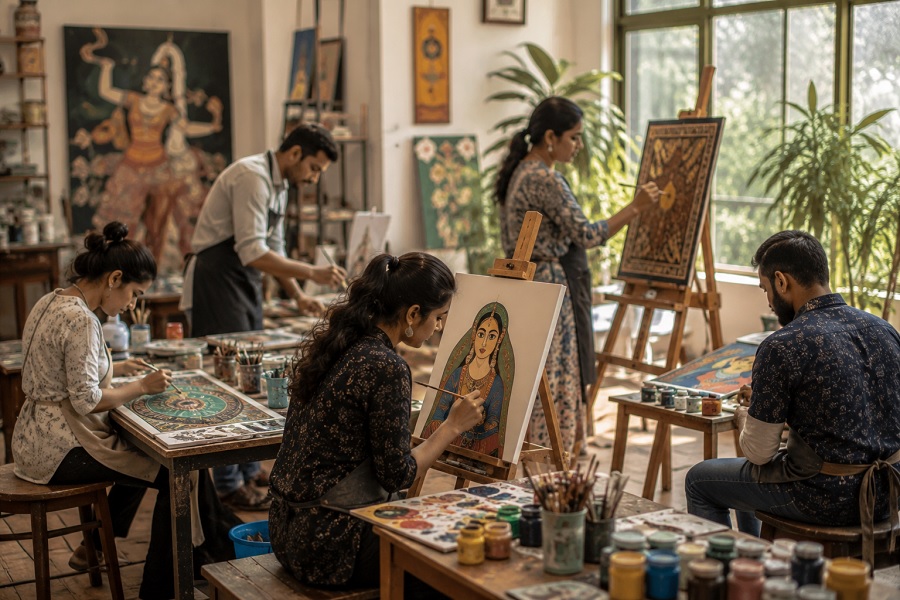
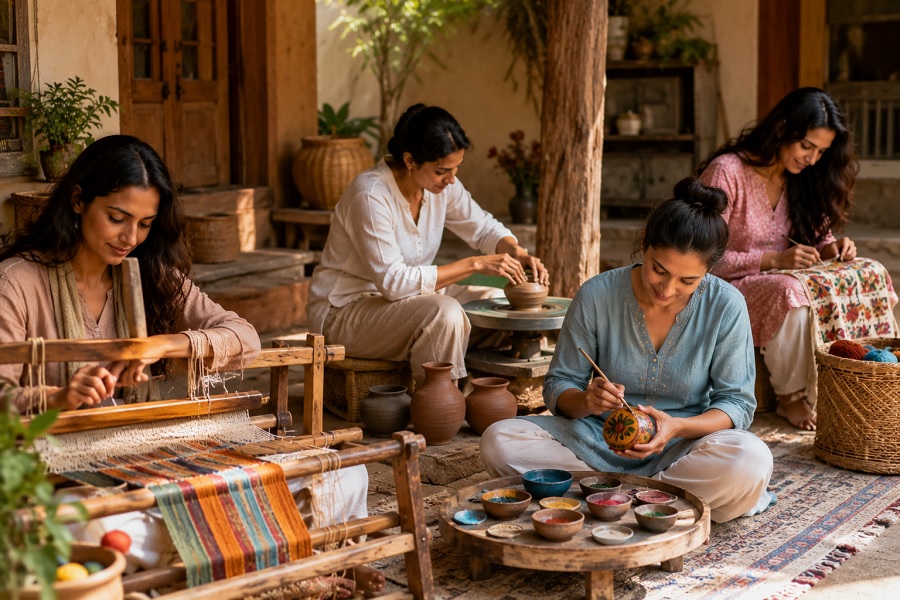
Punjab has a long tradition of handicrafts and textile arts. Phulkari embroidery is one of the region's most recognizable traditional crafts. The colorful embroidery is used on fabrics and garments and represents an important part of Punjabi cultural identity.
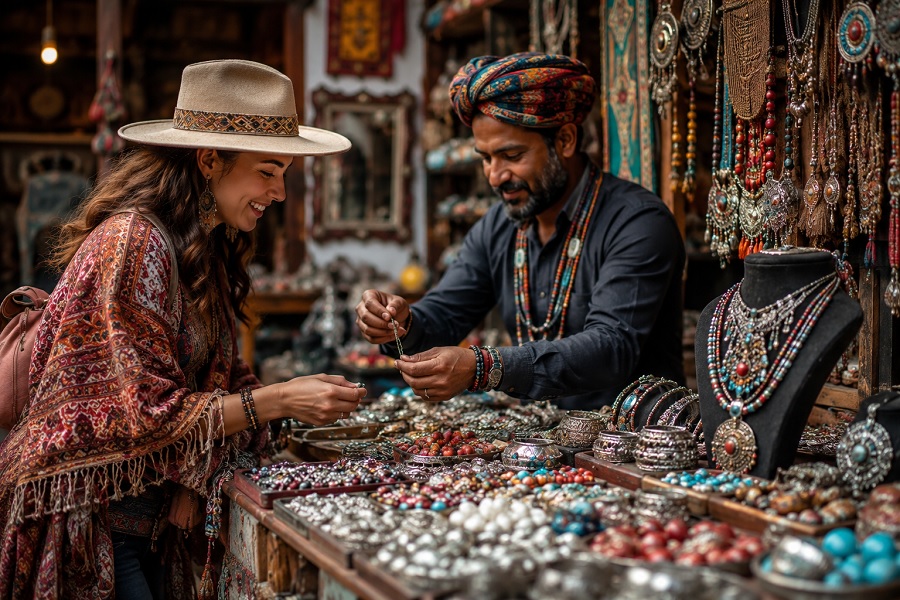
Visitors interested in handicrafts can explore local markets and artisan communities to discover traditional textiles, embroidery and handmade products.
Supporting local artisans through responsible purchases can help preserve traditional skills while contributing to local communities.
Heritage Walks and Cultural Experiences
Heritage walks are becoming an increasingly popular way to explore historic cities. Walking through old neighborhoods allows travelers to discover architectural details, traditional markets and local stories that may not be visible from a vehicle.
A well-planned heritage walk can combine historical landmarks with food experiences, craft shopping and cultural interactions. This makes the journey more engaging and helps visitors connect with the destination at a deeper level.
Sustainable Heritage Tourism
The future of heritage tourism in Punjab depends on responsible preservation and sustainable travel practices. Travelers can contribute by respecting historic monuments, avoiding littering and supporting local businesses.
Choosing locally owned accommodations, hiring local guides and purchasing authentic handicrafts can help tourism revenue reach local communities.
Heritage destinations also need careful conservation to protect historic buildings and cultural traditions for future generations.
Best Time to Explore Punjab's Heritage
The cooler months are generally comfortable for exploring Punjab's outdoor heritage attractions and cities. Travelers can plan trips around cultural festivals and events to experience the state's traditions at their most vibrant.
It is advisable to check local weather conditions and event schedules before planning a trip, especially when visiting during summer or festival periods.
Why Heritage Tourism in Punjab Is Important
Heritage tourism plays an important role in preserving Punjab's historical and cultural identity. Tourism can generate income for local communities, support artisans and encourage the conservation of historic sites.
It also gives visitors an opportunity to understand the stories, traditions and cultural practices that have shaped the region over generations.
By combining historical attractions with food, festivals, crafts and rural experiences, Punjab can offer travelers a comprehensive cultural journey.
Conclusion
Heritage tourism in Punjab offers a remarkable combination of history, architecture, spirituality, food and living traditions. From the historic attractions of Amritsar and Patiala to the cultural significance of Anandpur Sahib and the traditional lifestyle of rural villages, the state provides countless opportunities for meaningful travel experiences.
For travelers seeking more than conventional sightseeing, Punjab offers the chance to connect with its people, traditions and history. With responsible tourism and continued heritage conservation, Punjab can preserve its cultural treasures while welcoming future generations of travelers from India and around the world.