Healthy Eating Without Dieting: A Sustainable Approach to Better Health
* Why Healthy Eating Doesn't Have to Mean Restrictive Dieting
Many people associate healthy eating with strict meal plans, calorie counting, and giving up their favorite foods. While fad diets may promise quick results, they are often difficult to maintain and can leave you feeling frustrated. A healthier and more sustainable approach is to focus on nourishing your body with balanced meals and mindful eating habits rather than following restrictive diets.
Healthy eating without dieting is about making long-term lifestyle changes that support your physical and mental well-being. By choosing wholesome foods, listening to your body's hunger signals, and enjoying treats in moderation, you can build habits that last a lifetime.
* What Does Healthy Eating Without Dieting Mean?
Healthy eating without dieting means developing a balanced relationship with food instead of following rigid rules. It encourages eating a variety of nutritious foods while allowing flexibility for occasional indulgences. Rather than labeling foods as "good" or "bad," this approach emphasizes moderation, portion awareness, and overall dietary balance.
The goal is to nourish your body, maintain steady energy levels, and enjoy food without guilt.
* Benefits of Healthy Eating Without Dieting
*1. More Sustainable Lifestyle
Unlike short-term diets, healthy eating habits can be maintained for years. Small, consistent improvements often lead to lasting health benefits.
* 2. Better Relationship with Food
Avoiding restrictive eating helps reduce feelings of guilt and anxiety around meals. You learn to enjoy food while making thoughtful choices.
* 3. Improved Energy Levels
Balanced meals containing carbohydrates, protein, healthy fats, and fiber provide steady energy throughout the day.
* 4. Supports Natural Weight Management
Eating nutrient-dense foods and practicing portion control can help your body maintain a healthy weight without extreme restrictions.
* 5. Better Digestion
A diet rich in fruits, vegetables, whole grains, and fiber supports healthy digestion and gut health.
* 6. Improved Mental Well-Being
Good nutrition supports brain function, mood, and concentration while reducing the stress often associated with restrictive dieting.
* Healthy Eating Habits to Practice
* Eat a Variety of Foods
Include foods from all major food groups:
* Fruits
* Vegetables
* Whole grains
* Lean proteins
* Dairy or fortified alternatives
* Healthy fats such as nuts, seeds, and olive oil
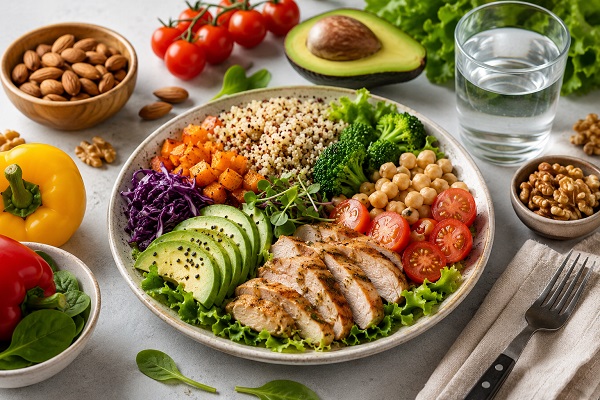
A colorful plate often provides a wider range of vitamins, minerals, and antioxidants.
* Don't Skip Meals
Skipping meals may lead to excessive hunger and overeating later. Eating regular meals helps maintain stable energy and blood sugar levels.
* Practice Portion Awareness
You don't need to eliminate favorite foods. Instead, enjoy appropriate portions and eat slowly so your body has time to recognize fullness.
* Choose Whole Foods More Often
Whenever possible, choose minimally processed foods such as:
* Fresh fruits
* Leafy vegetables
* Whole grains
* Beans and lentils
* Fish
* Eggs
* Unsalted nuts
These foods are generally more filling and nutrient-rich than highly processed options.
* Drink Plenty of Water
Proper hydration supports digestion, temperature regulation, and overall health. Water is usually the best choice for staying hydrated.
* Eat Mindfully
Mindful eating involves paying attention to your food and your body's hunger and fullness signals. Try to:
* Eat without distractions.
* Chew food thoroughly.
* Notice flavors and textures.
* Stop eating when comfortably satisfied rather than overly full.
* Foods to Include More Often
* Fresh fruits
* Colorful vegetables
* Whole grains such as oats, brown rice, and quinoa
* Lean poultry and fish
* Beans and legumes
* Low-fat dairy or fortified plant-based alternatives
* Nuts and seeds
* Healthy oils in moderation
* Foods to Enjoy in Moderation
No food needs to be completely off-limits for most people. Foods such as sweets, fried snacks, sugary drinks, and highly processed foods can still fit into an overall balanced eating pattern when enjoyed occasionally and in sensible portions.
* Easy Tips for Everyday Healthy Eating
* Fill half your plate with vegetables.
* Include a source of protein in each meal.
* Choose whole grains instead of refined grains when possible.
* Keep healthy snacks available.
* Prepare meals at home more often.
* Read nutrition labels to understand ingredients and serving sizes.
* Plan meals ahead to reduce impulsive food choices.
* Common Mistakes to Avoid
* Following extreme or fad diets.
* Skipping breakfast or other meals regularly.
* Drinking too many sugary beverages.
* Eating too quickly.
* Ignoring hunger or fullness cues.
* Expecting immediate results instead of focusing on long-term habits.
*Healthy Eating Is Different for Everyone
There is no single eating plan that works for everyone. Factors such as age, activity level, culture, food preferences, allergies, and medical conditions all influence what a healthy eating pattern looks like. If you have a health condition such as diabetes, kidney disease, or food allergies, seek personalized guidance from a qualified healthcare professional or registered dietitian.
* Conclusion
Healthy eating without dieting is about building a positive, flexible, and sustainable relationship with food. Instead of chasing quick fixes, focus on nourishing your body with balanced meals, practicing mindful eating, and making gradual lifestyle improvements. Over time, these consistent habits can support better energy, improved overall health, and a more enjoyable way of eating without the stress of restrictive diets.