Global LNG prices may rise on improving demand, Europe inventory rebuild
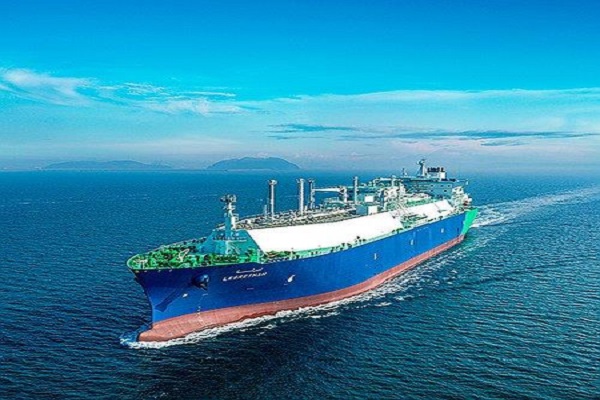
Global liquefied natural gas (LNG) prices are expected to climb to their highest levels in more than three years, driven by rising demand in Asia and the need for Europe to replenish depleted inventories ahead of winter, according to a report.
A report by Morgan Stanley forecasted the Asian LNG benchmark price to rise to $25 per million British thermal units (mmBtu) during the third and fourth quarters of the year, an increase of more than 30 per cent from current forward market levels.
If realised, the price would be the highest since early 2023, when European countries aggressively sourced LNG to compensate for reduced pipeline gas supplies from Russia.
The global brokerage said LNG prices are likely to remain elevated even if tensions in the Middle East ease in the near term.
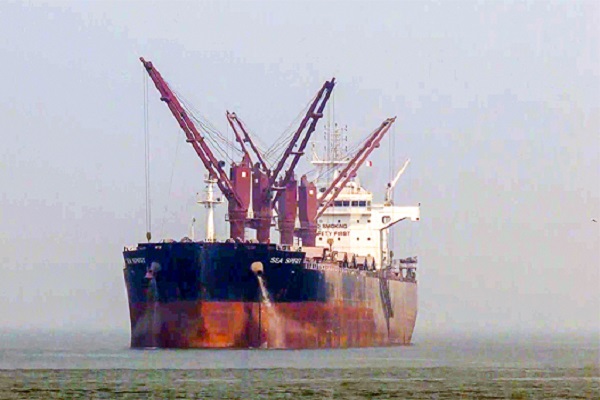
The ongoing disruption around the Strait of Hormuz has significantly impacted global LNG flows, as the route is critical for exports from major producers such as Qatar and the United Arab Emirates, it added.
The report further noted that natural gas consumption has begun recovering in key Asian markets, including India and China, while Europe faces growing pressure to rebuild inventories before the onset of winter.
According to the brokerage's analysts, weaker global LNG imports during March and April had helped offset supply disruptions.
However, demand has started to rebound with the arrival of summer and increasing urgency among countries to strengthen storage levels.
Despite supply challenges in the Persian Gulf region, global LNG availability has been supported by higher production from facilities in other regions and the addition of new export capacity in North America.
As a result, global LNG supply in May was only around one million tonnes lower than the level recorded during the same month last year, according to the report.
Moreover, Morgan Stanley pointed to weather forecasts indicating above-normal temperatures across parts of Asia in June and July, a factor expected to further support LNG consumption for cooling demand.
In Europe, gas demand weakened last month, but inventories remain significantly below historical levels.
While storage levels are estimated to be 17 per cent lower than a year ago and roughly 25 per cent below the 10-year average, underscoring the need for additional purchases in the months ahead.