Foreign investors likely to trade exchange-traded funds directly in South Korea
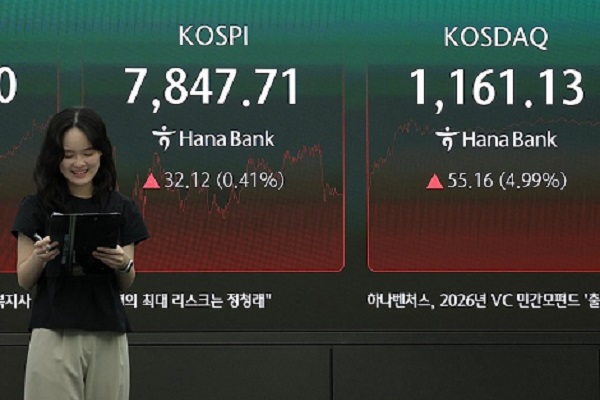
South Korea's financial authorities are moving to allow foreign investors to trade domestic exchange-traded funds (ETFs) directly, a measure that could help draw more overseas money into Korean assets amid a record-setting rally in the benchmark KOSPI, sources said on Sunday.
The KOSPI has been among the world's best-performing stock indexes this year, rising 82 percent from 4,309.63 on the first trading day of the year to close at 7,847.71 on Friday, driven largely by strong gains in Samsung Electronics Co. and SK hynix Inc. amid the global artificial intelligence boom.
According to the sources, the Financial Services Commission (FSC) is currently seeking revisions to investment business regulations to allow foreigners to invest directly in local ETFs and plans to issue a prior notice next month, reports Yonhap news agency.
An ETF is an investment fund traded on a stock exchange that holds a basket of stocks, commodities and bonds, and tracking an index.
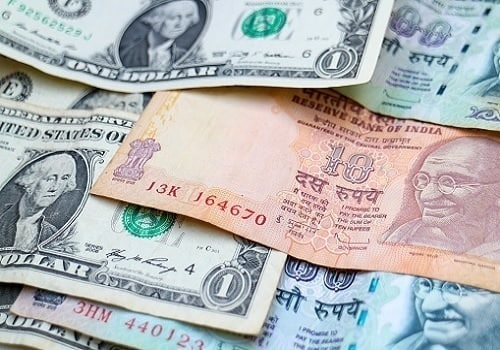
"If we open more doors for foreigners to enter the South Korean financial market, demand for South Korean assets will rise, bringing more U.S. dollars into the country," a financial authority official said.
Last week, FSC Chairman Lee Eog-weon said his agency will soon revise regulations to allow offshore retail investors to buy and sell ETFs through omnibus accounts, which allow them to trade local stocks without opening separate accounts with Korean brokerages.
Analysts said that if the FSC and the finance ministry reach agreement on withholding tax issues, the measure could be introduced in the second half after brokerages overhaul their trading systems.
Meanwhile, South Korean stocks closed mildly higher on Friday, extending their win for a second straight session, amid rising hopes for a diplomatic resolution to the conflict between the United States and Iran. The local currency lost ground against the U.S. dollar.


Top News
India?s economic catch-up over past decade worth celebrating: Top Economist