Eye Care Tourism: Exploring Advanced Vision Care and Medical Travel
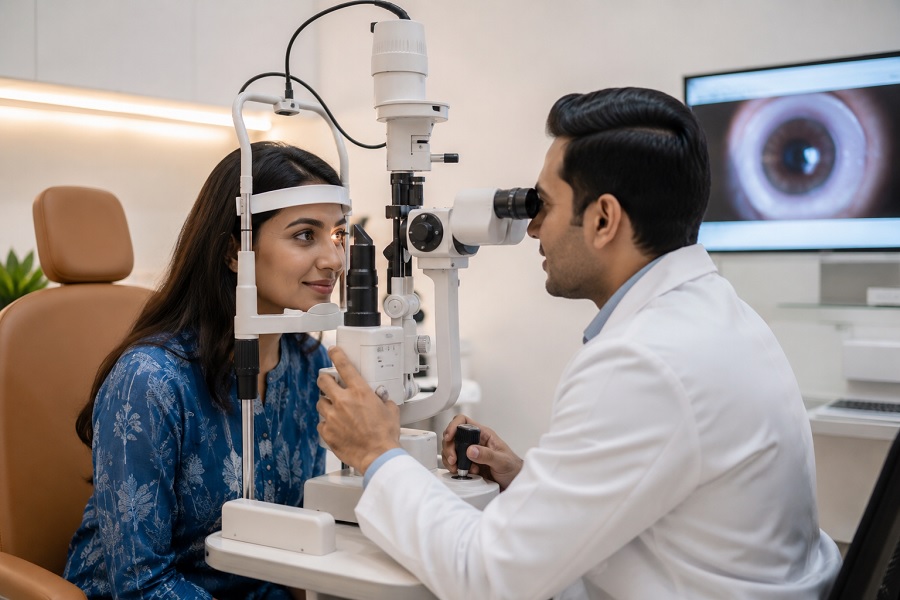
Eye Care Tourism: A Growing Choice for Accessible and Specialized Vision Care
1. Introduction
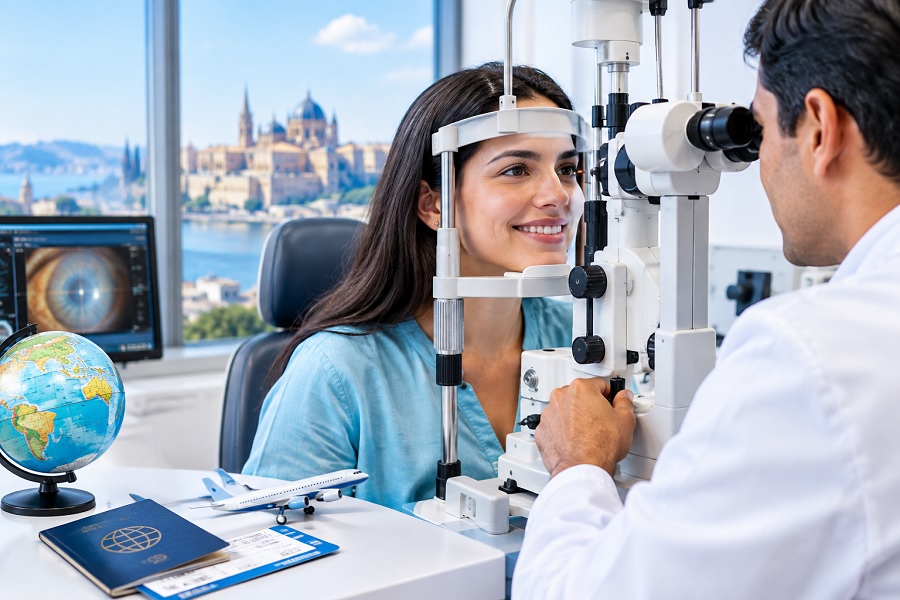
Eye Care Tourism is a specialized form of medical tourism in which people travel to another city, state, or country to receive ophthalmic consultations, diagnostic services, eye surgery, or specialized vision treatment. Growing access to advanced technology, experienced ophthalmologists, international patient services, and coordinated medical travel has made eye care an increasingly important part of medical tourism.
India is one of the countries attracting international patients for ophthalmology. Major eye-care providers offer services for overseas patients, including advance review of medical reports, treatment planning, international-patient coordination, and post-treatment follow-up.
2. Why Eye Care Tourism Is Growing
Several factors are contributing to the growth of eye care tourism:
Access to specialized ophthalmologists
Advanced diagnostic and surgical technology
Competitive treatment costs
Shorter appointment and treatment timelines in some destinations
International patient coordination
Availability of multiple ophthalmic specialties
Pre-travel medical consultations
Teleconsultation and remote follow-up
Combination of healthcare with travel and hospitality
Recent developments in international healthcare cooperation also show increasing emphasis on cross-border consultations, patient referrals, treatment planning, and healthcare partnerships.
3. Common Treatments in Eye Care Tourism
Depending on the patient's condition and medical assessment, eye-care travelers may seek:
Cataract Treatment
Cataract evaluation and surgery are among the most common reasons people seek ophthalmic care. Modern facilities may offer different lens options and surgical approaches depending on individual requirements.
LASIK and Vision Correction
Travelers may seek refractive procedures such as LASIK after determining through a comprehensive examination that they are suitable candidates.
Retina Care
Specialized retinal services can include evaluation and treatment planning for retinal disorders, diabetic eye disease, and other complex conditions.
Glaucoma Care
International patients may travel for specialist glaucoma assessment, diagnosis, treatment planning, and long-term management.
Corneal Treatment
Corneal disorders may require highly specialized evaluation and, in selected cases, surgical treatment.
Pediatric Ophthalmology
Children may travel for specialized treatment of vision problems, squint, and other pediatric eye conditions.
Oculoplastic and Reconstructive Eye Care
Specialized centers may provide treatment involving the eyelids, orbit, lacrimal system, and related reconstructive procedures.
Indian eye-care providers serving international patients currently advertise services across areas such as cataract care, refractive treatment, glaucoma, retina, cornea, pediatric ophthalmology, and oculoplasty.
4. Why India Is Becoming an Eye Care Tourism Destination
India has developed a substantial healthcare ecosystem serving international patients. Eye hospitals in cities such as Chennai, Mumbai, Pune, Bengaluru, Hyderabad, Delhi, and Nagpur provide specialized ophthalmic services.
Organizations such as Aravind Eye Care and Sankara Nethralaya maintain dedicated information and services for overseas patients. Aravind advises international patients to submit their medical information and reports before arrival so that visits can be planned more effectively.
The appeal of India can include:
Experienced ophthalmology professionals
Specialized eye hospitals
Modern diagnostic equipment
Advanced surgical technologies
International patient departments
English-language communication
Treatment coordination
Competitive healthcare costs
Large network of healthcare facilities
However, patients should compare providers carefully rather than choosing a destination solely because treatment is inexpensive.
5. Advanced Technology in Eye Care Tourism
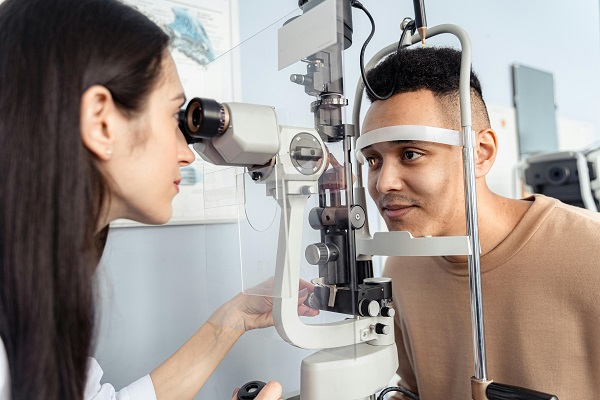
Technology is an important part of modern ophthalmology. Depending on the hospital and patient's condition, facilities may use advanced imaging, laser-based procedures, digital diagnostics, and sophisticated surgical systems.
Technology can support:
More detailed eye examinations
Treatment planning
Cataract surgery
Refractive procedures
Retinal diagnosis
Glaucoma monitoring
Corneal assessment
Post-treatment monitoring
Ophthalmology is also seeing rapid development in artificial intelligence and medical imaging research. Recent 2026 research has explored AI systems for ophthalmic triage and advanced analysis of ophthalmic images, although these technologies should be viewed as clinical-support tools rather than replacements for qualified eye specialists.
6. Pre-Travel Eye Care Planning
Medical travelers should begin planning well before booking flights.
A typical preparation process may include:
Initial consultation with an ophthalmologist
Collection of previous medical records
Eye examination and diagnostic testing
Sharing reports with the prospective hospital
Receiving a preliminary treatment recommendation
Discussing expected treatment duration
Understanding estimated costs
Checking visa requirements
Planning accommodation and transportation
Arranging post-treatment follow-up
Some Indian eye-care institutions specifically encourage overseas patients to submit reports before arrival so the clinical team can prepare for the visit.
7. Choosing the Right Eye Care Hospital
Choosing a healthcare provider is one of the most important parts of eye care tourism.
Travelers should consider:
Qualifications and experience of ophthalmologists
Hospital or clinic accreditation
Relevant specialty expertise
Diagnostic equipment
Surgical facilities
Infection-control standards
International patient support
Emergency arrangements
Transparency of pricing
Follow-up arrangements
Availability of medical records
Communication and language support
A hospital that is excellent for cataract surgery may not necessarily be the best choice for a complex retinal or corneal condition. The patient's specific medical requirement should guide the choice.
8. Cost Considerations
Cost is one of the reasons patients consider medical tourism, but price should not be the only deciding factor.
The total expense may include:
Medical consultation
Diagnostic tests
Surgery or treatment
Medicines
Accommodation
Flights
Local transportation
Companion expenses
Follow-up consultations
Possible additional procedures
Published medical-tourism estimates for ophthalmology can vary substantially depending on the procedure, hospital, patient condition, technology used, and postoperative requirements. Therefore, travelers should request a personalized estimate rather than relying on generic online package prices.
9. Eye Care Tourism and Travel Planning
A medical trip requires more planning than a normal holiday.
Patients should prioritize their treatment schedule and recovery period before planning sightseeing. Depending on the procedure, doctors may recommend restrictions on activities, travel, screen use, swimming, physical exertion, or exposure to dust and other environmental factors.
A good medical tourism itinerary can therefore include:
Medical consultation → Diagnostic testing → Treatment → Recovery → Follow-up → Safe return home
The tourism portion should be planned around the medical team's recommendations.
10. International Patient Services
International patient departments can make the treatment journey easier by helping with:
Appointment scheduling
Medical-record submission
Treatment coordination
Language assistance
Travel information
Accommodation guidance
Airport or local transportation
Hospital documentation
Follow-up communication
Some Indian eye-care hospitals now provide structured international-patient services and online consultation options.
11. Post-Treatment Care
Post-treatment care is especially important when a patient has traveled internationally.
Before returning home, patients should understand:
Medication schedules
Warning signs requiring urgent attention
Follow-up appointment dates
Restrictions on physical activity
When normal activities can resume
Who to contact after returning home
How medical records will be transferred
Ideally, the treating hospital and the patient's local ophthalmologist should have a clear communication pathway.
12. Safety and Important Considerations
Eye care tourism involves medical procedures, so travelers should not select a provider based only on advertisements, online reviews, or low prices.
Patients should:
Obtain an independent medical opinion when appropriate.
Verify the credentials of the ophthalmologist.
Check the hospital's accreditation and facilities.
Ask what happens if complications occur.
Understand all treatment risks.
Confirm the complete cost.
Ask about postoperative care.
Keep copies of medical records.
Avoid rushing into surgery simply because they have traveled a long distance.
Medical suitability should always be determined by a qualified eye-care professional.
13. Eye Care Tourism for Seniors
Older travelers may particularly benefit from specialized eye-care services because age-related vision problems can affect independence and quality of life.
Potential areas of care include:
Cataract evaluation
Glaucoma management
Retina care
Diabetic eye examinations
Low-vision assessment
Comprehensive eye screening
Senior travelers should consider accessibility, nearby accommodation, transportation, and the availability of a companion when planning treatment.
14. Combining Eye Care With Wellness Travel
Medical travelers sometimes combine treatment with wellness-oriented stays. However, recovery requirements should always come first.
A suitable itinerary may include:
Comfortable accommodation
Nutritious meals
Quiet surroundings
Easy transportation
Follow-up medical appointments
Limited sightseeing during recovery
The goal should be a safe recovery experience, rather than trying to fit intensive tourism activities into a medical trip.
15. Future of Eye Care Tourism
The future of eye care tourism is likely to be influenced by:
AI-assisted diagnostics
Digital medical records
Remote consultations
Advanced ophthalmic imaging
Personalized treatment planning
International hospital partnerships
Remote postoperative follow-up
Greater patient coordination
Increasing demand for specialized ophthalmology
Recent research into AI-assisted ophthalmic triage and medical-image analysis demonstrates the direction in which eye care technology is developing. These advances could eventually make international consultations and treatment planning more efficient, while clinical decisions will continue to require appropriate professional oversight.
16. Conclusion
Eye Care Tourism is becoming an important segment of medical tourism as patients look for specialized ophthalmic expertise, modern technology, coordinated international-patient services, and potentially more accessible healthcare costs.
India offers a broad network of eye-care institutions and international-patient services, making it an important destination to consider for people seeking ophthalmic care. At the same time, successful medical travel depends on careful provider selection, appropriate medical evaluation, realistic expectations, and strong postoperative follow-up.
For patients considering treatment abroad, the priority should always be quality, safety, medical suitability, and continuity of care, with tourism activities planned only around the treating doctor's recommendations.