Exploring Dental Implant Tourism: Quality Care, Treatment and Travel
Dental Implant Tourism: Combining Dental Care With International Travel
Introduction
Dental Implant Tourism is a growing area of health tourism in which patients travel to another city or country to receive dental implant treatment. Dental implants are used to replace missing teeth and can support crowns, bridges or dentures.
For many travelers, the attraction of dental tourism may include access to specialized dental services, different treatment options and the opportunity to combine a planned healthcare journey with sightseeing. However, dental implant treatment is a medical procedure, so clinical quality, safety, treatment planning and long-term follow-up should be more important than the travel experience or advertised price.
What Is Dental Implant Tourism?
Dental implant tourism involves traveling away from one's home location for implant-related dental treatment. Patients may travel domestically or internationally depending on their preferred clinic, availability of specialists and treatment requirements.
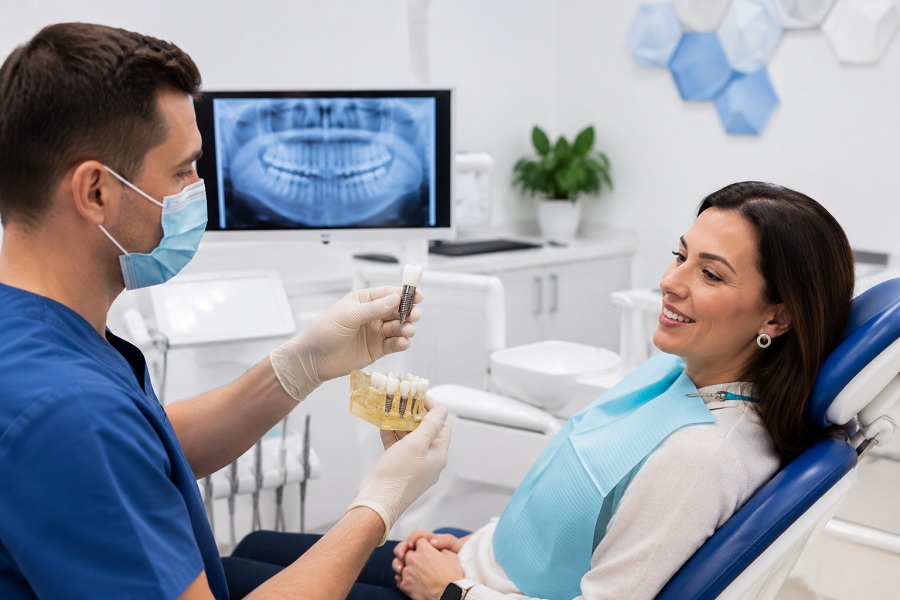
Dental implants generally involve placing a titanium implant into the jawbone to act as an artificial tooth root. The implant can later support a crown, bridge or denture.
Cross-border dental care has become an established part of health tourism, particularly in regions where dental treatment costs and healthcare systems vary between countries.
Why Do People Consider Dental Implant Tourism?
Several factors may influence a person's decision to travel for dental treatment.
1. Access to Specialized Dental Care
Some travelers seek clinics with dentists who have specific experience in implant dentistry, oral surgery or restorative dentistry.
2. Treatment Availability
Patients may travel when they want access to particular dental technologies, implant systems or treatment approaches that may not be readily available in their local area.
3. Combining Treatment With Travel
Some patients may combine their dental appointments with a short stay in a destination. However, sightseeing should never take priority over recovery or follow-up requirements.
4. Treatment Planning
Dental implants often require several stages rather than a single appointment. Depending on the patient's situation, treatment can involve assessment, imaging, implant placement and restorative treatment.
How Dental Implant Treatment Works
The exact treatment plan varies from patient to patient. A typical process may include:
Initial Dental Assessment
The dentist evaluates the teeth, gums, jawbone and overall oral health. X-rays and other imaging may be required to plan implant placement. In some cases, three-dimensional imaging is used to evaluate bone and nearby anatomical structures.
Bone Evaluation
Adequate bone is important for supporting an implant. If there is insufficient bone, a dentist may recommend bone grafting or another procedure before implant placement.
Implant Placement
The implant is surgically placed into the jawbone, usually under local anaesthesia. The gum may then be closed with stitches while the implant heals.
Healing Period
The implant needs time to integrate with the surrounding bone. The healing period varies, and replacement teeth may not be attached immediately. Some treatment plans require several months.
Crown, Bridge or Denture
After appropriate healing and assessment, the dental team can complete the restorative stage by attaching a crown, bridge or implant-supported denture.
Benefits of Dental Implants
Dental implants can offer several advantages for suitable patients. They can replace missing teeth while avoiding the need to prepare some neighbouring healthy teeth for conventional bridgework. They can also support fixed crowns or bridges and help stabilize certain dentures.
Implant treatment may also improve chewing ability, speech, appearance and comfort, although the outcome depends on individual circumstances and proper long-term maintenance.
Choosing a Dental Tourism Destination
The choice of destination should be based primarily on healthcare quality rather than tourism appeal.
Patients should research:
Dentist qualifications and experience
Clinic credentials and regulatory status
Implant systems and materials being used
Diagnostic and imaging facilities
Infection-control practices
Treatment planning process
Emergency arrangements
Written treatment estimates
Warranty and aftercare policies
Availability of follow-up care
A low advertised price should not be the only reason for selecting a clinic.
Understanding the Total Cost
The headline treatment price may not represent the complete cost of dental implant tourism.
Travelers should ask whether the quotation includes:
Initial consultation
Dental imaging
Implant fixtures
Abutments
Crowns or bridges
Bone grafting, if required
Temporary teeth
Medications
Follow-up appointments
Additional procedures
Accommodation
Transportation
Future maintenance
Dental implant treatment can involve multiple appointments and different restorative components, so a detailed written treatment plan is important.
Risks of Dental Implant Tourism
Dental implant treatment has potential complications, and traveling can make management more complicated if something goes wrong after returning home.
Possible implant-related complications include infection, failure of the implant to integrate with the bone, nerve-related symptoms, gum inflammation and bone loss around the implant. Components can also loosen or wear over time.
Cross-border dental care can create additional challenges because patients may have difficulty accessing the original provider for follow-up treatment after returning home. International health-system guidance has highlighted the importance of informed decision-making, clear treatment-duration information and continuity of follow-up care in cross-border dental treatment.
The Importance of Follow-Up Care
Dental implant treatment does not necessarily end when the patient leaves the clinic.
Long-term maintenance is important because poor cleaning can contribute to inflammation and problems around implants. Regular professional examinations and cleaning may be required.
Before traveling, patients should identify a local dentist who can provide appropriate follow-up care after returning home.
Dental Implant Tourism and Smoking
Smoking can negatively affect implant outcomes. Dental teams commonly advise patients to stop smoking before implant treatment and continue avoiding tobacco afterward.
Patients should discuss smoking and any other relevant lifestyle factors honestly with their dental professional before treatment.
Dental Implant Tourism for International Patients
International patients may need to organize appointments, medical records, travel documents, accommodation and transportation.
A successful dental tourism journey requires coordination between the patient and dental team. Patients should receive a clear explanation of the proposed treatment, expected timeline, possible additional procedures and aftercare requirements before making travel arrangements.
Combining Dental Treatment With Tourism
Patients may be tempted to plan sightseeing immediately after dental surgery. Recovery should take priority.
A better approach is to build flexibility into the travel schedule. Patients should allow sufficient time for dental appointments, recovery and unexpected changes to the treatment plan.
Destinations with convenient transportation and access to healthcare facilities can be more practical than locations chosen solely for tourism attractions.
How to Prepare for a Dental Implant Trip
Before departure, travelers should:
Obtain a complete dental assessment.
Request copies of relevant dental records.
Ask for a written treatment plan.
Confirm the qualifications of the treating dentist.
Understand the implant brand and components being used.
Ask about possible additional procedures.
Confirm the expected number of visits.
Understand the aftercare arrangements.
Check travel and medical insurance coverage.
Identify a local dentist for future follow-up.
Keep enough time in the itinerary for treatment delays.
Questions to Ask a Dental Clinic
Before booking treatment, patients can ask:
Who will perform the implant surgery?
What qualifications and experience does the dentist have?
What diagnostic imaging is required?
Do I need a bone graft?
How many visits will be required?
How long should I remain in the destination?
What implant system will be used?
What happens if the implant fails?
Who provides follow-up care after I return home?
What costs are included in the quotation?
Technology in Dental Implant Tourism
Modern dental practices may use digital imaging, computer-assisted planning, digital impressions and other technologies to support implant treatment.
Three-dimensional imaging can help clinicians assess the amount of bone and the location of important anatomical structures when planning treatment.
Technology can make treatment planning more precise, but it does not replace clinical examination, professional judgment or appropriate follow-up.
Sustainable Dental Tourism
Health travelers can also consider the environmental and social impact of their journey. Choosing clinics that follow responsible waste-management and resource-use practices can contribute to more sustainable healthcare tourism.
Travelers can support local businesses during their stay while ensuring that medical decisions remain based on clinical suitability and safety.
Future of Dental Implant Tourism
The future of dental implant tourism is likely to be influenced by digital dentistry, improved diagnostic technologies, international patient services and better communication between healthcare providers.
Virtual consultations may help patients communicate with dental teams before traveling, while digital treatment planning can make the initial assessment process more efficient.
However, complex implant treatment still requires appropriate in-person examination and clinical care.
Conclusion
Dental Implant Tourism can provide patients with access to dental care outside their home location while creating an opportunity to experience a new destination. However, implant treatment is a multi-stage medical procedure, and the decision should be based on dental suitability, qualified professionals, treatment quality, transparent costs and reliable follow-up care.
Patients considering dental tourism should compare clinics carefully, understand the complete treatment plan and make arrangements for long-term dental maintenance at home. A successful dental tourism experience should combine responsible travel planning with informed healthcare decisions.
Important: This article is for general educational purposes and is not a substitute for personalized advice from a qualified dentist or oral-health professional.