Emotional Eating: Why We Eat Our Feelings - and How to Break the Cycle
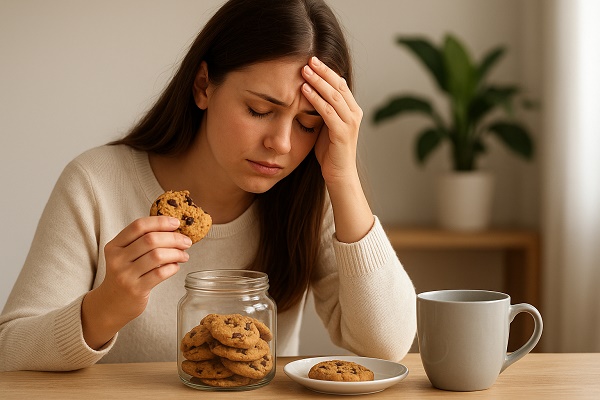
We’ve all had those moments: reaching for chocolate after a stressful day, craving something salty when feeling overwhelmed, or indulging in comfort food when sadness hits. This is not hunger — it’s emotional eating. And while occasional emotional eating is normal, getting stuck in this cycle can affect physical health, mental well-being, weight, and self-esteem.
In today’s fast-paced world, emotional eating has become increasingly common. This article explores why we turn to food for comfort and how to regain control with awareness, science, and gentle strategies.
1. What Is Emotional Eating?
Emotional eating is when we use food to manage emotions rather than satisfy physical hunger.
This includes eating when we are:
stressed
sad
anxious
bored
lonely
even sometimes too excited
Unlike physical hunger, emotional hunger is sudden, intense, and often pushes us toward specific “comfort foods” like sweets, fried items, or carb-heavy snacks.
2. Why We Eat Our Feelings
A. Stress Triggers Cravings for High-Sugar, High-Fat Foods
When stressed, the body releases cortisol, which increases cravings for calorie-dense foods that give quick relief.
These foods temporarily calm the brain, creating a loop:
Stress → Cravings → Comfort Eating → Temporary Relief → Guilt → More Stress.
B. Food as a Childhood Comfort Signal
Many of our emotional eating triggers come from childhood:
Getting chocolate for good behavior
Being given sweets to stop crying
Associating food with celebrations
As adults, our brains still link food to emotional soothing.
C. Food Stimulates “Feel-Good” Chemicals
Comfort foods release dopamine — the same neurotransmitter responsible for pleasure.
This makes emotional eating feel rewarding, even though the effect is temporary.
D. We Eat to Distract Ourselves
Food becomes a way to avoid:
difficult conversations
uncomfortable feelings
boredom
loneliness
Instead of dealing with the emotion, we numb it with eating.
3. Signs You’re Eating Emotionally (Not Physically)
You might be emotionally eating if:
You feel hungry suddenly, not gradually
You crave specific foods, not just “anything”
You eat mindlessly or too quickly
Eating makes you feel better instantly
You continue eating even when full
You feel guilt, shame, or regret afterward
Physical hunger is steady and logical — emotional hunger is urgent and emotional.
4. The Emotional Eating Cycle
A difficult emotion (stress, sadness, anger) appears
Food provides temporary comfort
Relief is short-lived
Guilt or shame returns
Emotions worsen
The cycle repeats
Breaking this cycle requires awareness and habits that support emotional health — not just dietary changes.
5. How to Break the Emotional Eating Cycle
A. Identify Your Emotional Triggers
Ask yourself:
“What emotion am I feeling right now?”
“What happened before I felt like eating?”
Awareness is the first step to change.
B. Create a “Pause Moment” Before Eating
When cravings strike:
pause for 1 minute
take 3 deep breaths
drink a glass of water
This disrupts the automatic reaction.
C. Replace Food With Healthier Coping Strategies
Instead of eating, try:
journaling
calling a friend
walking
listening to calming music
practicing deep breathing
doing a 5-minute meditation
These comfort the mind without harming the body.
D. Build a Balanced Eating Routine
Unpredictable mealtimes increase emotional cravings.
Try:
consistent meal timings
protein in every meal
complex carbs for stable mood
hydration (most cravings are actually thirst)
E. Practice Mindful Eating
Eat slowly.
Chew longer.
Feel the taste, texture, and aroma.
Put the phone away.
Mindfulness breaks binge patterns.
F. Sleep Well to Reduce Cravings
Poor sleep increases ghrelin (hunger hormone) and decreases leptin (satiety hormone).
7–8 hours of sleep means fewer unnecessary cravings.
G. Seek Support When Needed
Talking to a therapist, coach, or support group can help uncover deeper emotional patterns and build healthier coping mechanisms.
6. Forgive Yourself — Healing Requires Kindness
Emotional eating is not a personal failure.
It’s a natural response to emotional discomfort.
Instead of guilt, practice compassion:
“I’m learning.”
“I can make different choices next time.”
“My feelings are valid.”
Healing is not about stopping comfort eating overnight — it’s about understanding yourself better each day.
Conclusion: Food Doesn’t Heal Emotions — Understanding Does
Emotional eating happens because we seek comfort, not because we lack discipline. By becoming aware of our feelings, understanding triggers, and choosing healthier coping tools, we can break the cycle.
The goal is not to completely eliminate emotional eating, but to build a healthier relationship with food — one that nourishes the body and respects the mind.
You deserve nourishment, not guilt.
You deserve comfort, not cycles.
You deserve healing, not judgment.
And it begins with awareness, compassion, and small, meaningful steps.