Educational Travel: Destinations That Help Kids Learn While Travelling
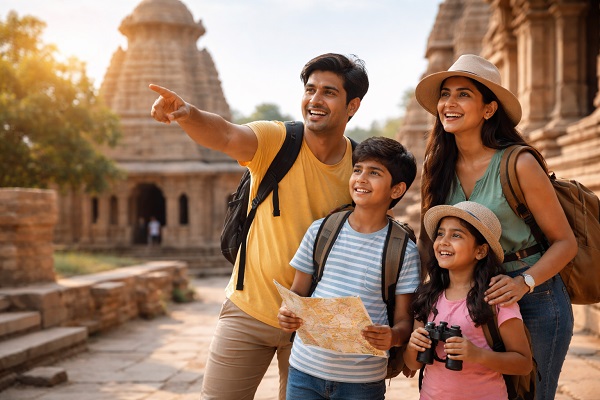
Travel is no longer just about sightseeing and relaxation. For many families today, vacations have become an extension of the classroom—only far more exciting. Educational travel blends fun with learning, giving children real-world exposure to history, science, culture, nature, and life skills that textbooks alone can’t offer. When kids learn while travelling, curiosity replaces routine, and memories turn into lifelong lessons.
Why Educational Travel Matters for Kids
Educational travel helps children develop a broader perspective of the world. Visiting new places improves observation skills, critical thinking, adaptability, and cultural awareness. Children learn by seeing, touching, asking questions, and experiencing things firsthand—whether it’s understanding ancient history at a monument or learning environmental responsibility in a forest reserve.
Historical Destinations That Bring Textbooks to Life
Places rich in history make learning tangible and engaging. Cities like Delhi, Agra, Jaipur, Hampi, and Mysuru allow children to see forts, palaces, and monuments they read about in school. Walking through centuries-old structures helps kids understand timelines, architecture, and historical events in a way no classroom lecture can replicate.
Science and Innovation Hubs
Destinations focused on science and technology spark curiosity and innovation. Bengaluru, with its science museums and planetariums, or Ahmedabad, home to interactive science centres, offer hands-on learning experiences. Visits to space museums, observatories, and research centres inspire young minds to explore careers in STEM fields.
Nature and Wildlife Destinations
Nature-based travel is one of the most powerful forms of education. Trips to Jim Corbett, Kaziranga, Periyar, or Sundarbans teach children about biodiversity, conservation, ecosystems, and climate responsibility. National parks and wildlife sanctuaries help kids understand the importance of protecting the planet while fostering empathy for animals and nature.
Cultural and Heritage Experiences
Cultural destinations expose children to diverse traditions, languages, art forms, and lifestyles. Exploring Rajasthan’s folk culture, Kerala’s backwaters and Ayurveda, or Tamil Nadu’s temple architecture helps children appreciate India’s diversity. Such travel builds respect for different cultures and nurtures social awareness.
Educational Global Destinations
International travel can also be highly educational. Cities like Rome, Paris, London, and Kyoto offer lessons in world history, art, and global culture. Museums, heritage walks, and guided tours abroad broaden children’s understanding of global civilizations and interconnected histories.
Life Skills Through Travel
Beyond academics, educational travel teaches practical life skills—budgeting, planning, communication, problem-solving, and adaptability. Children learn independence, patience, and teamwork while navigating new environments with family.
Making Educational Travel Fun
The key to successful educational travel is balance. Mixing learning with fun activities—local food experiences, storytelling tours, workshops, and interactive museums—keeps kids engaged. When learning feels like an adventure, children absorb knowledge effortlessly.
Conclusion
Educational travel transforms holidays into meaningful journeys. It nurtures curiosity, builds confidence, and creates informed, culturally aware young learners. By choosing destinations that educate as well as entertain, families can ensure that every trip becomes an investment in their children’s growth—academically, emotionally, and socially.