Drinking Cow`s Milk After Exercise Strengthens Bones and May Help Prevent Fractures in Old Age
Maintaining strong bones is essential for overall health, especially as people grow older. Bone strength plays a crucial role in preventing fractures, maintaining mobility, and supporting an active lifestyle. Recent findings suggest that drinking cow’s milk after exercise may significantly improve bone strength and reduce the risk of fractures later in life.
Exercise has long been known to stimulate bone growth and increase bone density. However, nutrition plays an equally important role in supporting this process. Consuming cow’s milk after physical activity provides essential nutrients that help bones recover, rebuild, and become stronger over time.
The Role of Exercise in Bone Health
Physical activities such as walking, running, strength training, and resistance exercises place controlled stress on bones. This stress signals the body to produce more bone tissue, making bones denser and stronger.
However, after exercise, the body requires the right nutrients to repair and strengthen bone structures. Without adequate nutritional support, the benefits of exercise on bone health may be limited.
Why Cow’s Milk Is Beneficial After Exercise
Cow’s milk is considered one of the most complete natural sources of nutrients for bone health. It contains a powerful combination of calcium, protein, vitamin D, phosphorus, and potassium, all of which are essential for maintaining strong bones.
After exercise, these nutrients help the body in several ways:
Calcium helps rebuild and maintain bone density.
Protein supports muscle recovery and bone repair.
Vitamin D helps the body absorb calcium more effectively.
Phosphorus and potassium contribute to overall bone structure and strength.
This combination makes milk an effective post-workout drink for supporting long-term skeletal health.
Building Strong Bones Early for Healthier Aging
One of the key factors in preventing fractures during old age is building strong bones earlier in life. Peak bone mass is typically reached in early adulthood, and maintaining bone density afterward becomes crucial.
Regular exercise combined with nutrient-rich foods like cow’s milk can help maximize bone strength. Over time, stronger bones are less likely to become fragile or break easily, reducing the risk of fractures in later years.
Supporting Muscle and Bone Recovery
Post-exercise nutrition is often associated with muscle recovery, but it also plays an important role in bone repair. The protein found in cow’s milk helps rebuild muscle tissue, while minerals support bone regeneration.
This dual benefit is particularly valuable because strong muscles also help protect bones by improving balance and reducing the risk of falls, which are a major cause of fractures among older adults.
A Simple Habit with Long-Term Benefits
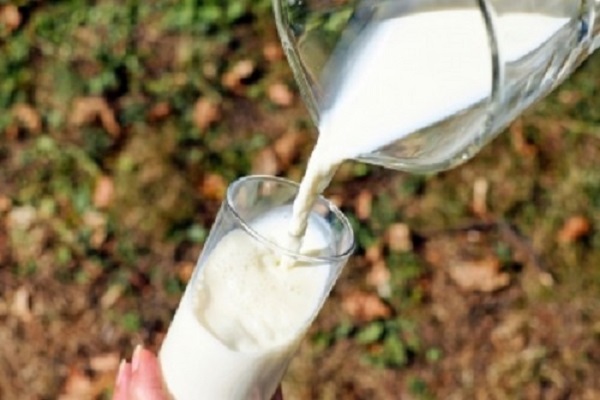
Incorporating a glass of cow’s milk after workouts can be a simple yet powerful step toward better bone health. Whether after gym sessions, sports activities, or even daily walks, this small habit may contribute to stronger bones and improved physical resilience over time.
Conclusion
Strong bones are the foundation of healthy aging. Combining regular physical activity with proper nutrition is key to maintaining bone density and reducing the risk of fractures in later life.
Drinking cow’s milk after exercise provides essential nutrients that support bone repair, strengthen skeletal structure, and contribute to long-term health. By adopting this simple routine today, individuals may help protect their bones and maintain mobility well into old age.