Delhi`s draft EV policy likely to cause sharp surge in purchases in long term
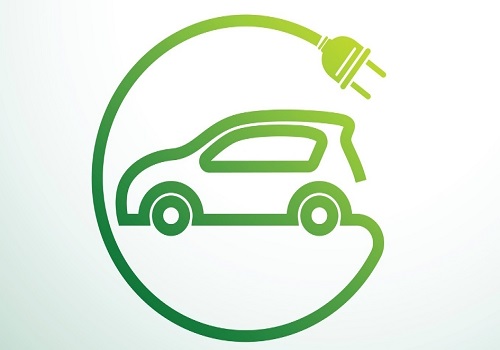
The Delhi Government’s draft electric vehicle policy (2024–2030) could drive a sharp uptick in EV sales once implemented but prompt short-term deferral of purchases, a report said on Wednesday.
The draft EV Policy with a government outlay of about Rs 40,000 crore outlines a clear roadmap to accelerate EV adoption, supported by upfront incentives, stringent mandates, and scrappage-linked benefits, the report from Axis Direct said.
The policy targets 100 per cent electric registration for three-wheelers by January 2027 and two-wheelers by April 2028.
Given the interim uncertainty, EV purchases are likely to be deferred in the near term until policy clarity emerges, the brokerage said.
"However, once implemented, the policy is expected to drive a sharp uptick in EV sales over the subsequent few months, led by pent-up demand and improved incentive visibility," the report forecasted.
The draft policy favours manufacturers with early investments, scalable platforms, and strong product traction, it said.
"In two-wheelers, leaders with established portfolios are gaining share, while underpenetrated incumbents are accelerating EV investments. In passenger vehicles, early movers retain an advantage, with others expected to scale through upcoming launches," the report noted.
The market remains highly consolidated in three-wheeler segment, supported by regulatory mandates that further strengthen dominant players.
Consider these dynamics, the brokerage remained "selective, preferring OEMs with strong pricing power and well-established EV product portfolios."
The policy’s strategic incentive framework is front-loaded to drive early adoption, with electric two-wheelers set to receive Rs 10,000 per kWh of incentives in year 1 (capped at Rs 30,000).
The incentives taper to Rs 6,600 in year 2 and Rs 3,300 in year 3. Passenger vehicle direct subsidies have been withdrawn, with support shifting toward scrappage incentives and tax benefits to improve fiscal efficiency.
Strong hybrids receive a 50 per cent road tax exemption (below Rs 30 lakh), as the policy acknowledged their transitional role.









More News

The Wealth Company`s ~Rs1000 Crore+ Private Market Portfolio Moves Towards Public Market