Cotton Prices Drop Amid Rising Supply and Mixed Demand by Amit Gupta, Kedia Advisory
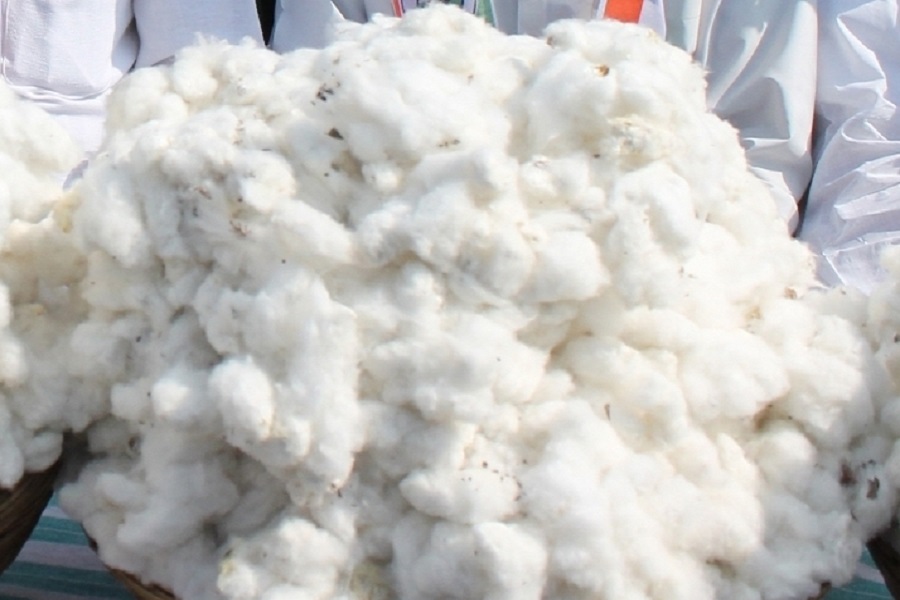
Cotton 29mm prices in Rajkot declined over 2% in a month due to rising arrivals, cautious mill buying, and mixed export demand. While domestic markets softened, slight recoveries in Maharashtra and Gujarat suggest early stabilization. Punjab arrivals dropped sharply, with significant quantities sold below MSP despite higher cotton acreage. Government measures, including increased MSPs, import duty exemptions, and coordination via the Textile Advisory Group, aim to support farmers and stabilize prices. Internationally, prices fell on higher U.S. and China output. India’s exports weakened sharply, while imports surged due to high domestic prices, quality mismatch, and mill demand for cheaper foreign cotton.
Key Highlights
* Rajkot 29mm cotton prices fell 2% amid rising arrivals and subdued mill buying.
* Punjab arrivals dropped to 2.3 lakh quintals, with large volumes sold below MSP.
* Government raised MSP for medium- and long-staple cotton and eased import duties.
* India’s cotton exports fell 36%, while imports rose nearly threefold to 41.40 lakh bales.
* International prices softened on higher U.S. and China cotton output.
Cotton 29mm prices in Rajkot declined over 2% in a month, pressured by rising arrivals, cautious buying from spinning mills, and mixed export demand. Domestic markets witnessed subdued mill purchasing, while increased supplies in local mandis kept prices under pressure. Despite the softening trend, minor recoveries in Maharashtra and Gujarat indicate early signs of stabilization, suggesting that prices could remain range-bound in the near term.
Punjab cotton arrivals fell sharply this season, dropping from 5.4 lakh quintals last year to just 2.3 lakh quintals. Of these, CCI purchased only 35,348 quintals, and private traders acquired 1.95 lakh quintals, leaving nearly 1.4 lakh quintals sold below MSP. Although cotton acreage increased to 1.19 lakh hectares, heavy rains damaged crops, limiting arrivals and raising farmer concerns.
The government has taken several measures to support farmers and stabilize prices. MSP for medium-staple cotton was raised to Rs 7,710 per quintal and long-staple cotton to Rs 8,110 per quintal. Additionally, cotton imports are exempt from the 11% duty until 31 December 2025, and the Ministry of Textiles is coordinating with stakeholders through the Textile Advisory Group to mitigate global market volatility.
Globally, cotton prices declined due to expectations of a larger U.S. crop and increased output from China. India’s raw cotton exports fell sharply by 36% to 18.06 lakh bales, while imports surged nearly threefold to 41.40 lakh bales as mills sought cheaper foreign cotton amid high domestic prices.
Finally, Cotton markets remain under pressure due to rising supplies, weak exports, and international trends, but government measures and selective regional recoveries could provide moderate price support.
Above views are of the author and not of the website kindly read disclaimer