Cholesterol Management Through Diet : Effective Ways to Improve Heart Health
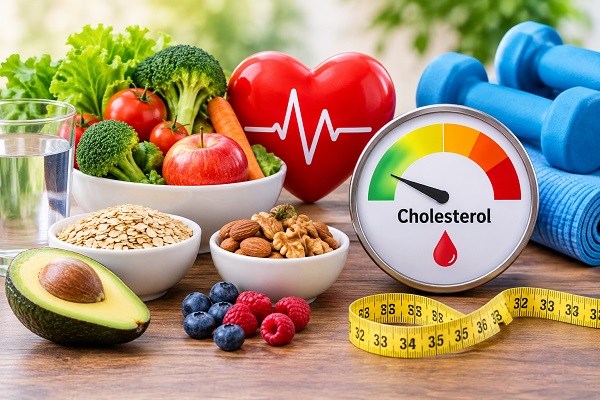
Cholesterol management has become an important part of maintaining long-term health, particularly as lifestyle-related diseases continue to affect people across different age groups. High cholesterol is a major risk factor for cardiovascular diseases, including heart attacks and strokes. Although cholesterol plays an essential role in the body, excessive levels of certain types of cholesterol can contribute to plaque formation in the arteries and affect normal blood circulation.
A combination of healthy eating habits, regular physical activity and appropriate medical care can help maintain healthy cholesterol levels. Understanding the difference between good and bad cholesterol is the first step towards making informed decisions about heart health.
Understanding Cholesterol and Its Types
Cholesterol is a waxy, fat-like substance produced mainly by the liver. The body also obtains cholesterol from certain foods. It is required for producing hormones, vitamin D and substances that support digestion.
Cholesterol travels through the bloodstream in particles called lipoproteins. The two main types are:
1. Low-Density Lipoprotein (LDL): Commonly known as bad cholesterol, LDL can contribute to fatty deposits inside artery walls. High LDL levels increase the risk of cardiovascular problems.
2. High-Density Lipoprotein (HDL): Often called good cholesterol, HDL helps transport excess cholesterol back to the liver for removal from the body.
Another important measurement is triglycerides, a type of fat present in the blood. High triglyceride levels, particularly when combined with high LDL or low HDL, can increase cardiovascular risk.
How Diet Helps Manage Cholesterol Levels
Food choices have a significant influence on blood cholesterol levels. A balanced diet containing fibre-rich foods, healthy fats, fruits and vegetables can support better cholesterol management.
1. Include More Soluble Fibre
Soluble fibre helps reduce the absorption of cholesterol in the digestive system. Foods such as oats, barley, beans, lentils, apples, citrus fruits and vegetables are useful sources.
Including fibre-rich foods in everyday meals can support digestive health while helping improve cholesterol levels.
2. Choose Healthy Fats
Replacing saturated and trans fats with unsaturated fats can help reduce LDL cholesterol. Sources of healthier fats include almonds, walnuts, peanuts, seeds, olive oil and other unsaturated vegetable oils.
Limiting foods containing excessive butter, ghee, fatty meats, deep-fried snacks and commercially produced baked goods can also support heart health.
3. Eat More Fruits and Vegetables
Fruits and vegetables provide dietary fibre, vitamins, minerals and antioxidants. Apples, oranges, guavas, carrots, spinach, broccoli and other seasonal vegetables can be included in a balanced eating plan.
A variety of colourful fruits and vegetables helps improve overall nutritional quality.
4. Include Whole Grains in Daily Meals
Whole grains contain fibre and other nutrients that support cardiovascular health. Oats, brown rice, whole wheat, barley and millets are useful alternatives to highly refined grains.
Replacing some refined food products with whole-grain options can improve overall dietary quality.
5. Limit Processed and Fried Foods
Frequent consumption of fried foods, packaged snacks, processed meats and products containing trans fats may negatively affect cholesterol levels.
Reading food labels and checking saturated fat and trans fat content can help consumers make healthier choices.
Lifestyle Changes That Support Healthy Cholesterol
Diet is only one part of cholesterol management. Everyday lifestyle habits also influence blood lipid levels and cardiovascular health.
1. Exercise Regularly
Physical activity can help improve HDL cholesterol, reduce triglycerides and support weight management. Activities such as brisk walking, cycling, swimming and dancing can contribute to better heart health.
Adults should generally aim for at least 150 minutes of moderate-intensity aerobic activity each week, along with muscle-strengthening activities on two or more days.
2. Maintain a Healthy Body Weight
Excess body weight, particularly around the abdomen, can contribute to higher triglycerides and lower HDL cholesterol. Gradual and sustainable weight management through balanced nutrition and regular exercise can improve several cardiovascular risk factors.
3. Avoid Smoking
Smoking damages blood vessels and increases cardiovascular risk. Quitting tobacco can improve overall heart health and may help improve HDL cholesterol levels.
4. Limit Alcohol Consumption
Excessive alcohol intake can increase triglyceride levels and contribute to other health problems. Limiting or avoiding alcohol is an important part of maintaining better cardiovascular health.
5. Manage Stress and Get Enough Sleep
Long-term stress and inadequate sleep can affect eating habits, physical activity and metabolic health. Maintaining a regular sleep schedule, practising relaxation techniques and staying physically active can support overall well-being.
Importance of Regular Cholesterol Testing
High cholesterol usually does not produce noticeable symptoms. Many people discover that their cholesterol levels are elevated only after undergoing a blood test.
A lipid profile is commonly used to measure:
Total cholesterol
LDL cholesterol
HDL cholesterol
Triglycerides
The frequency of testing depends on age, family history, existing medical conditions and overall cardiovascular risk. People with diabetes, high blood pressure, obesity or a family history of early heart disease may require more frequent monitoring.
Healthcare professionals can interpret these results and recommend suitable treatment based on individual risk factors.
When Is Medication Necessary?
Lifestyle changes can improve cholesterol levels, but they may not be sufficient for everyone. People with significantly elevated LDL cholesterol or a high risk of cardiovascular disease may require medication.
Statins are among the commonly prescribed medicines for lowering LDL cholesterol and reducing the risk of heart attacks and strokes. Other cholesterol-lowering medications may be recommended depending on individual health conditions.
Patients should follow their doctor's recommendations and should not stop prescribed cholesterol medication without medical advice. A healthy diet and regular exercise remain important even when medication is required.
Common Myths About Cholesterol Management
Several misconceptions can prevent people from making informed decisions about cholesterol management.
Myth 1: Only overweight people have high cholesterol.
High cholesterol can affect people of different body weights. Genetics, age, medical conditions and dietary habits can all influence cholesterol levels.
Myth 2: Avoiding all fats is necessary.
The body requires certain fats for normal functioning. Replacing saturated and trans fats with healthier unsaturated fats is more beneficial than eliminating all dietary fats.
Myth 3: Exercise alone can control high cholesterol.
Physical activity is beneficial, but diet, genetics, medical conditions and prescribed treatment also play important roles.
Myth 4: High cholesterol always causes symptoms.
High cholesterol generally has no obvious warning signs. Regular blood testing is the most reliable way to identify elevated cholesterol levels.
Conclusion
Cholesterol management through diet and lifestyle is an important part of protecting long-term cardiovascular health. Choosing fibre-rich foods, limiting saturated and trans fats, exercising regularly, maintaining a healthy body weight and avoiding tobacco can help improve cholesterol levels.
However, lifestyle changes should be combined with regular health monitoring and medical guidance, particularly for individuals with existing cardiovascular risk factors. By adopting sustainable daily habits and following appropriate treatment recommendations, people can take meaningful steps towards maintaining healthy cholesterol levels and reducing their risk of heart disease.