China Economy Loses Momentum as Domestic Demand Weakens by Amit Gupta, Kedia Advisory
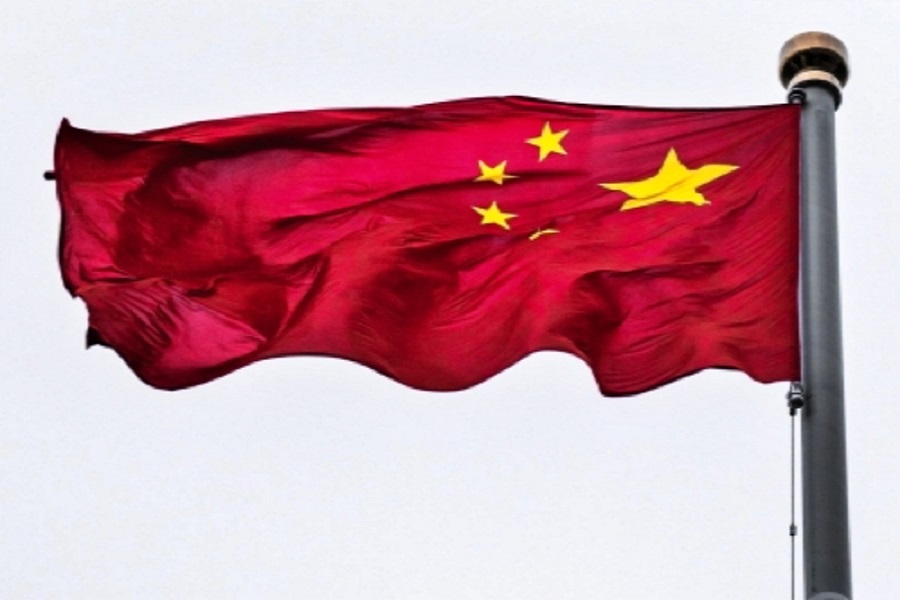
China’s economy lost momentum at the start of the second half of 2026 as weak domestic demand, extreme weather and slowing policy support weighed on activity. Industrial output growth eased to 4.5% in July from 5.3% in June, missing expectations, while retail sales increased just 0.6% against forecasts of 1.5%. Fixed-asset investment contracted 6.7% during January-July, highlighting persistent weakness in investment. Property prices remained under pressure, with new home prices falling 3.2% year-on-year. Strong exports, supported by global AI infrastructure demand, continued to cushion the economy, but rising trade tensions and U.S. tariffs pose additional risks. Policymakers signalled stronger counter-cyclical measures.
Key Highlights
• China’s industrial output growth slowed to 4.5% in July from 5.3% in June, missing market expectations.
• Retail sales rose only 0.6% in July, sharply below analysts’ 1.5% forecast despite holiday tourism.
• Fixed-asset investment contracted 6.7% in January-July, worsening from a 5.7% decline during January-June.
• New home prices declined 3.2% year-on-year in July, highlighting continued weakness in China’s property sector.
• Exports remained resilient, with China recording another monthly trade surplus above $100 billion despite rising tariffs.
China’s economy weakened at the beginning of the second half of 2026, raising concerns over domestic demand and increasing expectations for additional policy support. The slowdown was reflected across industrial production, retail consumption and investment, while extreme weather disruptions added further pressure on economic activity.
Industrial output growth slowed to 4.5% year-on-year in July from 5.3% in June, falling short of the 4.8% market forecast. Manufacturing activity was affected by three typhoons that made landfall during the month, disrupting operations across major industrial hubs in eastern and southern China. Meanwhile, retail sales increased only 0.6%, compared with 1% growth in June and analysts’ expectation of 1.5%.
Weak investment remained another major drag. Fixed-asset investment contracted 6.7% during the first seven months of 2026, compared with a 5.7% decline in January-June and expectations for a 6% fall. The property sector continued to weigh on household confidence, with new home prices declining 3.2% year-on-year and 0.1% month-on-month in July.
Trade remained an important support for China’s economy. Robust overseas demand, particularly from the global AI infrastructure buildout, continued to support factory activity and helped offset weak domestic consumption. China recorded another monthly trade surplus above $100 billion, keeping the full-year surplus on track to exceed $1 trillion for a second consecutive year.
However, trade tensions are increasing as the European Union considers tougher measures and the U.S. imposes additional tariffs on Chinese goods. Policymakers have pledged faster fiscal spending and stronger counter-cyclical adjustments, although major new stimulus measures have yet to be announced.
China’s slowing domestic demand and investment increase pressure for stronger stimulus, while resilient exports remain crucial to cushioning growth against weather and trade risks.
Above views are of the author and not of the website kindly read disclaimer