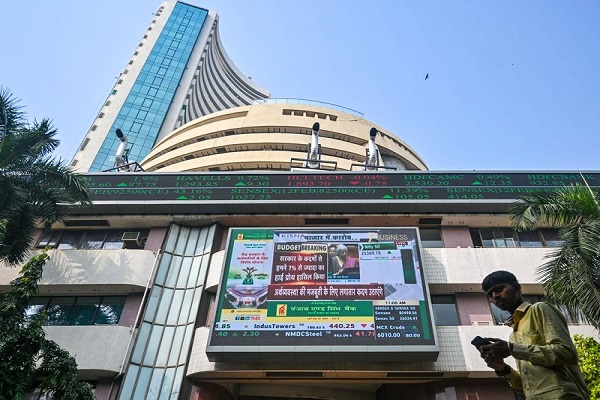
Centre`s disinvestment receipts poised to cross Rs 15,000 crore in the April-June quarter
The Centre's disinvestment receipts are set to cross Rs 15,000 crore in the April-June quarter of the financial year 2026-27, driven by the success of offer for sale transactions in the shares of public sector enterprises.
This will provide a major boost to the government's non-tax capital receipts and add to the fiscal strength in a year that the subsidy bill for fuel and fertilisers is likely to shoot up due to the West Asia crisis.
Stake sales in Coal India, NHPC, NLC India, Central Bank of India, and General Insurance Corporation of India (GIC Re) have underpinned the increase. The government has already mobilised nearly Rs 14,000 crore through disinvestment during the quarter. The total is expected to rise further as pending proceeds are accounted for, according to a report in NDTV Profit.
The pace of stake sales comes as the government pursues its Rs 80,000-crore asset monetisation programme for FY27. The pipeline includes the strategic disinvestment of IDBI Bank alongside minority stake sales. Further dilution in selected public sector enterprises, including Life Insurance Corporation of India (LIC), remains a medium-term option.
The collections underscore the role of non-tax capital receipts in supporting the Centre's finances as expenditure pressures intensify. Higher receipts from disinvestment and asset monetisation could offset part of the fiscal burden and strengthen the government's ability to adhere to its FY27 fiscal deficit target.
Official data showed that the Centre had mobilised Rs 21,732.23 crore through non-tax capital receipts so far in FY27. Disinvestment receipts accounted for the largest share at Rs 13,389.42 crore. Asset monetisation proceeds stood at Rs 6,366.93 crore, while dividend receipts totalled Rs 1,975.88 crore.
According to economists, these receipts are significant during the current pressure on resources due to additional government expenditure on shielding consumers from inflation, as they provide non-debt resources and reduce pressure on market borrowings. This would also help the government in its fiscal consolidation roadmap, which, in turn, would strengthen the fundamentals of the economy.
.jpg)