Building Food Habits That Fit a Normal Lifestyle
Healthy eating does not have to mean following a strict meal plan or avoiding every food you enjoy. For most people, the more practical approach is to build food habits that can continue alongside work, family responsibilities, social occasions and an ordinary daily routine.
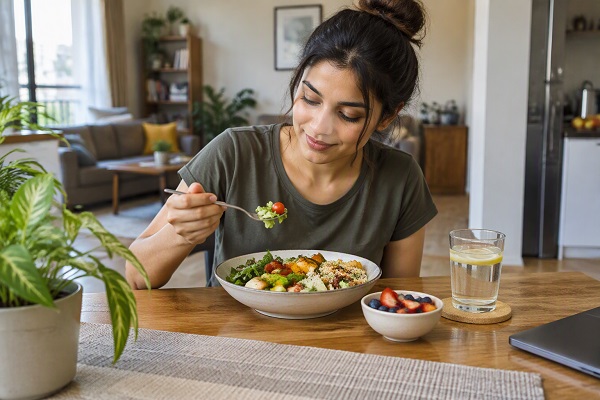
The first step is to make meals more balanced rather than trying to make them perfect. A regular meal can include a source of protein, vegetables or other fibre-rich foods, a suitable carbohydrate source and enough variety to keep the diet interesting. This approach is usually easier to maintain than following complicated rules.
Consistency also matters more than occasional perfection. Eating one unhealthy meal does not cancel out otherwise sensible habits, just as eating one healthy meal does not create a healthy lifestyle overnight. Looking at food choices over days and weeks gives a more realistic picture.
Planning can make better eating easier. Keeping a few basic ingredients available at home can reduce the temptation to depend entirely on takeaway food when the day becomes busy. Simple options are often enough; meals do not need to involve elaborate recipes.
Portion awareness can also help. Instead of completely removing favourite foods, people can learn to enjoy them in reasonable quantities. This makes healthy eating feel less restrictive and leaves room for flexibility during celebrations, outings and social occasions.
Snacking is another area where practical choices can make a difference. Having fruit, curd, nuts or other simple foods available can make it easier to avoid eating whatever happens to be most convenient when hunger suddenly appears.
Meal timing should also fit the person's schedule. There is no single timetable that works for everyone. A routine that allows regular meals without creating unnecessary stress is often more sustainable than trying to follow an ideal schedule that does not match real life.
Eating habits are also influenced by the environment. Keeping frequently used healthy foods visible and ready to eat can make better choices easier. At the same time, it helps to avoid keeping large quantities of foods that tend to encourage mindless snacking.
Drinking enough water is another simple part of a practical eating routine. Making water the regular drink during the day can support hydration without adding unnecessary calories from sugary beverages.
It is also useful to pay attention to hunger and fullness. Eating slowly and giving the body time to respond can make it easier to recognise when enough food has been eaten. Distracted eating, such as constantly eating while working or scrolling, can make this harder.
Social situations should not be treated as exceptions that ruin the entire routine. A sustainable approach allows people to eat differently on some days while returning to their usual habits afterward. Flexibility is a strength when it helps someone stay consistent over the long term.
Finally, good food habits should fit the person's budget, culture, preferences and available time. A plan that looks perfect on paper but is difficult to follow will rarely last.
Building food habits for a normal lifestyle is therefore less about strict restriction and more about creating simple systems that make balanced choices easier. When healthy eating can coexist with work, family life and occasional treats, it becomes something a person can maintain rather than a temporary diet.