Bank of Baroda rolls out multilingual AI platform `bob SAMVAD` across 22 languages
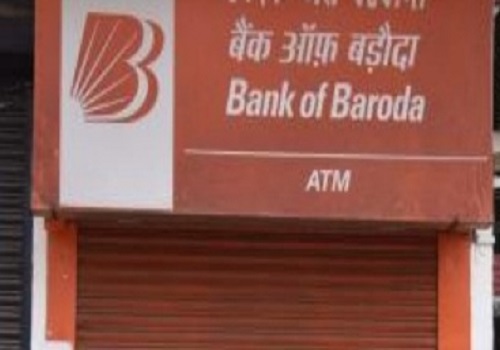
Bank of Baroda on Tuesday rolled out ‘bob SAMVAD’ -- an AI-powered multilingual conversational platform developed by the bank to enhance in-branch customer interactions.
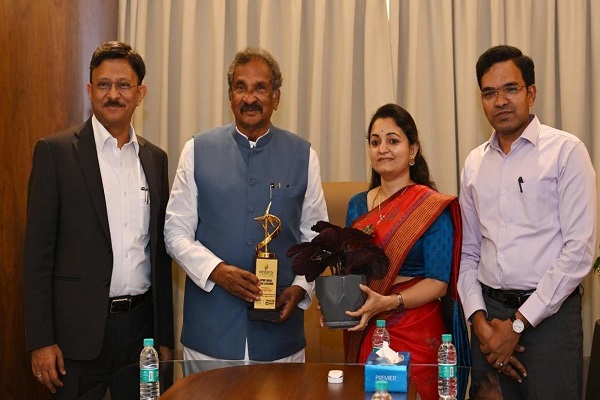
The AI platform was formally launched by Department of Financial Services Secretary M. Nagaraju in Mumbai on March 28.
Terming it a step towards inclusive banking, Nagaraju said the initiative will strengthen customer service delivery and set a new benchmark in the sector through the use of technology.
Moreover, the platform is designed to eliminate language barriers by enabling seamless communication between customers and bank staff in their preferred languages.
Developed in-house, 'bob SAMVAD' enables real-time, low-latency, two-way communication across 22 languages, allowing customers and staff to interact effortlessly even if they speak different languages.
The platform supports both text and voice modes, enabling customers to speak or type queries in their preferred language, which are instantly translated for branch staff, ensuring accurate and efficient service.
Speaking at the launch, Debadatta Chand, Managing Director and CEO of the bank, said the initiative reflects the lender’s focus on combining technology with customer-centric design to make branches more inclusive and accessible.
In the first phase, the platform will be rolled out across 250 branches in states including Tamil Nadu, Karnataka, Telangana, Andhra Pradesh and Maharashtra, followed by a wider deployment across the bank’s network.
The DFS Secretary also visited ‘bob Forest’, a sustainability initiative by the bank at its Mumbai office, aimed at promoting biodiversity and cleaner air as part of its broader ESG efforts.
Earlier in February, the Department of Financial Services under the Finance Ministry organised a two-day workshop at the Bank of Baroda Academy in Ahmedabad on the implementation of the government’s reservation policy in public sector banks, insurance companies, sectoral regulators and public financial institutions, along with measures to enhance accessibility of financial services for Divyangjans (persons with disabilities).





More News

The Wealth Company`s ~Rs1000 Crore+ Private Market Portfolio Moves Towards Public Market