Advanced AI-Powered Smartphones: Revolutionizing the Way We Connect and Interact

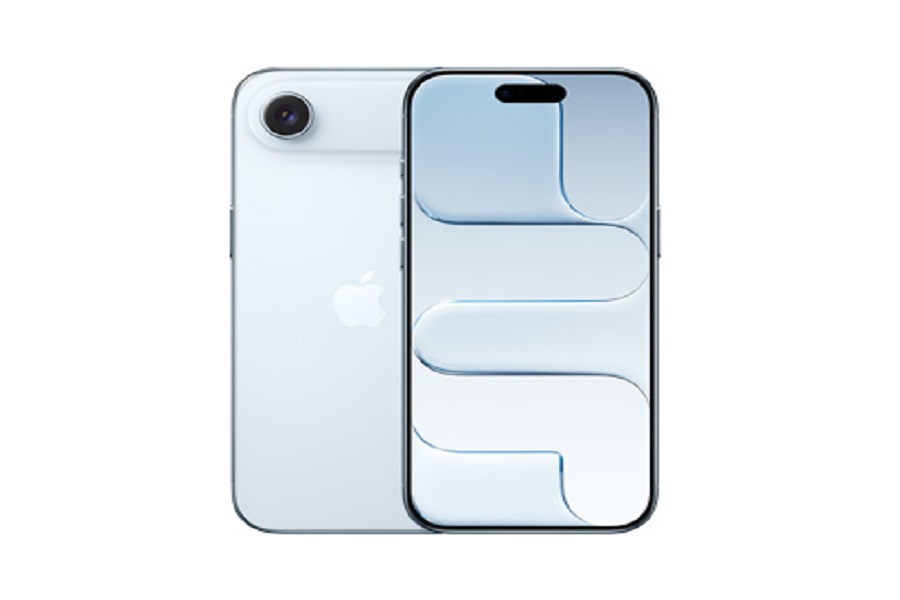
The smartphone has become an indispensable part of daily life, evolving from a simple communication tool to a powerful personal assistant, entertainment center, and productivity hub. As we approach the mid-2020s, the integration of advanced artificial intelligence (AI) technologies is transforming smartphones into even smarter, more intuitive, and deeply personalized devices. This article explores how AI-powered smartphones are revolutionizing user experiences, reshaping industries, and setting new standards for connectivity and convenience.
The AI Evolution in Smartphones
Artificial intelligence is no longer just a buzzword; it is embedded at the core of modern smartphones. Early implementations like voice assistants and predictive text have grown into sophisticated systems capable of real-time decision-making, contextual understanding, and autonomous actions. This leap is fueled by advances in machine learning, natural language processing, computer vision, and on-device AI chips, allowing smartphones to operate efficiently even without continuous internet access.
Personalized User Experience
One of the most significant impacts of AI in smartphones is the hyper-personalization of user interactions. AI algorithms analyze user behavior, preferences, and habits to offer tailored recommendations for apps, content, and even daily routines. Whether it’s suggesting the best route to work based on traffic patterns or adjusting screen brightness and volume based on ambient conditions, AI makes smartphones seamlessly adapt to individual lifestyles.
Enhanced Photography and Imaging
AI-powered smartphones have revolutionized mobile photography. Advanced computational photography techniques use AI to enhance image quality, even in challenging conditions like low light or fast motion. Features such as scene recognition, portrait mode with bokeh effects, real-time image stabilization, and automatic editing filters help users capture professional-grade photos effortlessly. Moreover, AI enables smarter video recording with automatic framing, subject tracking, and noise reduction.
Intelligent Virtual Assistants
Virtual assistants like Siri, Google Assistant, and Alexa are becoming more capable and conversational, thanks to AI advancements. These assistants can understand context, maintain multi-turn conversations, schedule appointments, control smart home devices, and even anticipate needs before users ask. The integration of AI allows for natural language understanding and improved voice recognition, making interactions more fluid and efficient.
Security and Privacy Enhancements
AI contributes significantly to smartphone security. Facial recognition systems powered by AI offer faster and more accurate biometric authentication. AI also detects unusual activities and potential security threats by analyzing user patterns, enabling proactive measures against fraud or malware. Furthermore, on-device AI processing ensures sensitive data remains private, reducing reliance on cloud computing and minimizing data exposure risks.
AI in Health and Wellness
Smartphones equipped with AI are playing an essential role in health monitoring. AI algorithms analyze data from built-in sensors to track physical activities, sleep patterns, heart rate, and even detect signs of stress or irregular health conditions. This real-time monitoring empowers users to take proactive steps towards better wellness and facilitates telemedicine consultations with accurate data.
Smarter Connectivity and Battery Management
AI optimizes network connectivity by intelligently switching between Wi-Fi, 4G, and 5G to maintain the best possible connection with minimal energy consumption. It also manages background apps and system resources to extend battery life, learning user habits to predict and prepare for power-intensive tasks.
The Road Ahead: AI and Beyond
The future of AI-powered smartphones is incredibly promising. Innovations like augmented reality (AR) enhancements, real-time language translation, context-aware computing, and brain-computer interface integration are on the horizon. As AI becomes more embedded in the hardware and software, smartphones will evolve into even more proactive and indispensable companions in daily life.
Conclusion
Advanced AI-powered smartphones represent a monumental leap forward in mobile technology. By blending intelligent algorithms with powerful hardware, these devices offer a deeply personalized, secure, and enriched user experience. As AI continues to evolve, smartphones will not only connect us but also anticipate our needs, enhance our creativity, safeguard our privacy, and contribute significantly to our health and productivity. The age of truly smart smartphones is here, and it’s transforming the way we live, work, and play.