A Timely Power Buffer - Assessing Nepal`s Energy Security After the Rasuwa Flood by CareEdge Ratings
Executive Summary
• India has approved electricity supply for up to 654 MW to Nepal for 18 hours per day until December 31, 2026. The arrangement includes up to 600 MW through the 400 kV Muzaffarpur-Dhalkebar transmission line and 54 MW through the 132 kV Tanakpur-Mahendranagar line. Imports will be available from midnight to 6 p.m., but not during the evening peak hours.
• The arrangement is a timely power buffer much needed following the damage caused by the RasuwaBhotekoshi flood of August 26, 2026. Preliminary estimates indicate that 12 hydropower projects and five solar plants, with a combined capacity of around 431 MW, were reported to have been shut down.
• Nepal had 216 operational hydropower projects with an aggregate installed capacity of 3,904 MW as of July 16, 2026. The reported shutdowns represent around 11% of Nepal’s operational hydropower capacity. The annual generation impact could also be significant, with a preliminary estimate of generation loss of around 2,520 GWh, equivalent to around 14% of domestic generation during FY26. This could also affect the country’s electricity trade surplus status and export earnings
• The approved 654 MW import capacity is roughly 1.5 times the 431 MW of operational hydropower capacity that was reported as shut down. On a capacity basis, the trade arrangement could compensate for the unavailable operating assets during the approved hours, subject to supply availability in India and Nepal’s ability to transmit and distribute the imported electricity.
• At full utilisation, considering the period from September 18 to December 31, 2026, the arrangement could provide up to approximately 1,236 GWh, equivalent to around 49% of the estimated annual flood-related generation loss of 2,520 GWh.
• The trade agreement, however, does not eliminate the financial effects on the flood-affected companies. Affected projects may face lower revenue, repair expenditure, delayed insurance settlements, and subsequent pressure on debt-servicing indicators unless regulators provide a cushion.
• Overall, the 654 MW electricity import agreement with India provides a timely buffer against flood-related and seasonal supply risks. However, the medium-term impact will depend on the duration of project outages, reconstruction costs, insurance recoveries, import prices and the extent to which the estimated generation loss affects Nepal’s growing electricity-export surplus.
A Timely Power Buffer – Assessing Nepal’s Energy Security after the Rasuwa Flood
Flood Impact: Material Generation Shock and Potential Export Shortfall
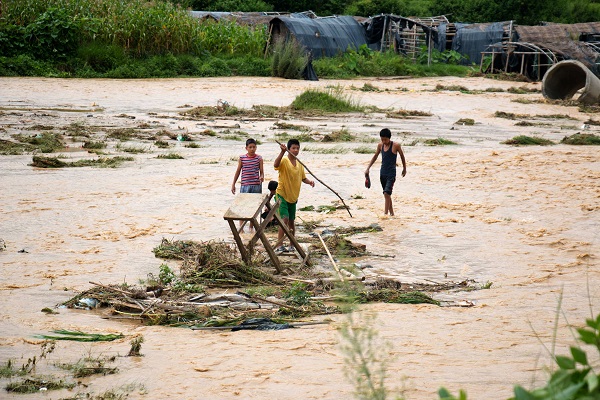
The August 26, 2026, flood in the Rasuwa-Bhotekoshi corridor affected a concentrated cluster of generation assets. Preliminary estimates indicate that 12 operational projects aggregating 431 MW were reported to have shut down. The outage is material relative to Nepal’s operational base. Against the aggregate installed capacity of 3,904 MW of operational power projects as of July 16, 2026, the reported shutdown capacity represents around 11%.
The event illustrates the concentration risk associated with developing multiple projects within common river basins and access corridors, where a single natural calamity can affect generation assets, transmission links, access roads, and supporting infrastructure simultaneously..
The preliminary annual generation loss estimate of around 2,520 GWh is about 14% of Nepal’s FY26 domestic generation. The estimated energy loss is proportionately larger than the capacity loss, as it reflects the expected duration of outages and the generation profile of the affected projects. Prolonged plant downtime could reduce electricity available for export and affect Nepal’s power-trade position; however, actual generation and trade impacts will depend on restoration timelines, partial resumption of operations, generation from unaffected plants, prevailing hydrology, domestic demand, damage to common infrastructure, and the availability of electricity imports.
Flood Impact: Damage Beyond Generation
According to the government-led Rapid Damage and Needs Assessment, the flood caused estimated damage and economic losses of approximately NPR 408.29 billion, equivalent to USD 2.7 billion. This includes physical damage of approximately USD 1.81 billion and associated economic losses of around USD 883 million. Total recovery and reconstruction requirements have been estimated at approximately NPR 723 billion, or around USD 4.7 billion. The recovery requirement is about 1.8 times the estimated damage and losses. The hydropower and energy sector is estimated to have suffered damage and losses amounting to NPR 151.04 billion, representing around 37% of total disaster effects. Meanwhile, restoring and strengthening the energy and grid systems is expected to require approximately NPR 391 billion, equivalent to about 54% of total recovery requirements.
_5.jpg)
Import Agreement: Timely Power Buffer
Nepal's 654 MW energy import arrangement with India for 18 hours per day until December 31, 2026, is a timely power buffer expected to cushion the blow from the flood impact. Of the total, up to 600 MW may be supplied through the 400 kV Muzaffarpur–Dhalkebar line and 54 MW through the 132 kV Tanakpur–Mahendranagar line. The arrangement strengthens supply availability from midnight to 6:00 p.m., covering off-peak, morning, and daytime requirements
The approved capacity is approximately 1.5 times the 431 MW of operational hydropower capacity reported to be unavailable. Accordingly, on a capacity basis, the arrangement could compensate for the affected operating assets during the approved hours. This comparison should, nevertheless, be interpreted cautiously because installed capacity is not the same as delivered energy and actual imports will depend on market availability in India, scheduling approvals, cross-border transmission availability, and Nepal’s internal grid conditions
Assuming full utilisation from September 18 to December 31, 2026, the approved arrangement could provide up to approximately 1,236 GWh. This estimate is based on 654 MW of supply for 18 hours per day over 105 days. The resulting energy availability is about 49% of the preliminary annual flood-related generation loss estimate of 2,520 GWh. The arrangement can therefore materially reduce the immediate system-level shortfall, particularly as Nepal approaches the dry season when generation from run-of-river projects typically declines.
However, the maximum energy estimate is a technical ceiling rather than a forecast. Actual imports may be lower and depend on supply availability in India and Nepal’s ability to transmit and distribute the imported electricity. Even at full utilisation, the arrangement would leave around 1,284 GWh of the estimated annual generation loss to be addressed through project restoration, output from unaffected domestic plants, further imports, lower exports, or demand management. Timely restoration of the affected projects therefore remains central to limiting the medium-term energy deficit.
Flood Impact: Heightened Project-Level Credit Pressure
The cross-border arrangement improves system-level energy availability but does not replace revenue lost by individual flood-affected projects. Hydropower companies generally earn revenue based on energy delivered under their power purchase agreements. Extended shutdowns could therefore impact revenue visibility, operating cash flow, and debt-servicing coverage even when the national system receives electricity through imports.
_6.jpg)
Affected projects will also incur repair and reconstruction expenditure, while access constraints and damage to common infrastructure may delay restoration. Insurance proceeds could partly mitigate the financial impact, although the timing and extent of recovery remain uncertain. Delayed insurance recovery may increase short-term funding requirements. Projects with limited cash reserves, high debt obligations, or prolonged outages are likely to face greater pressure on debt-service coverage ratios. Any rescheduling or compensation could reduce near-term stress, but such measures would require specific regulatory or contractual backing.
Conclusion
The 654 MW electricity import arrangement with India is a timely and meaningful response to the generation disruption caused by the Rasuwa–Bhotekoshi flood. The approved capacity exceeds the reported 431 MW of operational hydropower capacity shut down and could provide up to approximately 1,236 GWh from September 18 through December 31, 2026, if fully utilised. The arrangement should therefore materially strengthen supply availability during most hours of the day and partly cushion the transition into Nepal’s dry season.
However, the arrangement is not a complete substitute for the affected generation. Imports are unavailable during the evening peak period, actual schedules may be below the approved ceiling, and the maximum potential energy support covers only around 49% of the estimated annual generation loss. The event could also materially reduce Nepal’s electricity trade surplus, given that the estimated 2,520 GWh generation loss is equivalent to around 90% of the FY26 net export surplus. At the project level, financial pressure may persist through lower revenue, repair costs, delayed insurance settlements, and weaker debt-servicing indicators.
Overall, the import arrangement provides a strong near-term system buffer. Still, timely restoration remains essential for preserving Nepal’s energy security, export momentum, and the financial resilience of flood-affected hydropower projects. The episode also strengthens the case for basin-level disaster planning, resilient evacuation infrastructure, adequate business-interruption insurance, and greater diversification of Nepal’s generation mix
Above views are of the author and not of the website kindly read disclaimer











.jpg)
.jpg)