Women-Owned Startups Changing India
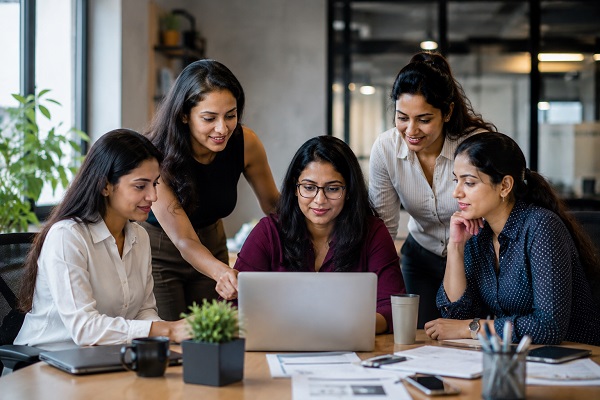
India's startup ecosystem has witnessed remarkable growth over the past decade, and women entrepreneurs have emerged as powerful drivers of innovation, job creation, and social impact. From fintech and beauty to healthcare, education, and e-commerce, women-led startups are redefining industries while inspiring the next generation of business leaders. Their ventures are not only generating economic value but also addressing real-world challenges through technology, creativity, and inclusive business models.
The Rise of Women Entrepreneurs in India
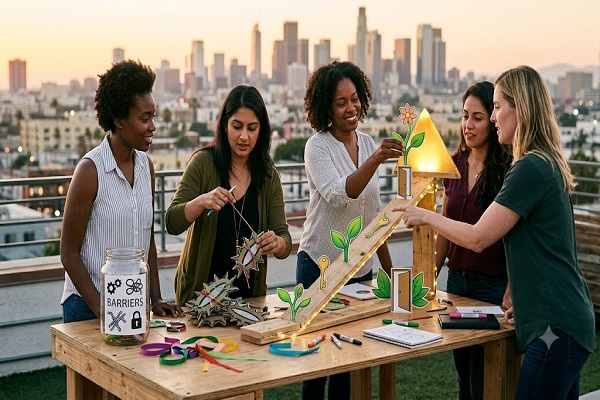
With improved access to funding, digital platforms, government initiatives, and mentorship programs, more women are choosing entrepreneurship over traditional career paths. While challenges such as access to capital and gender bias still exist, Indian women are proving that determination and innovation can overcome barriers.
Government initiatives like Startup India, Stand-Up India, and various state-level entrepreneurship programs have also encouraged women to launch businesses across sectors.
Women-Owned Startups Making an Impact
1. Nykaa
Founded by Falguni Nayar, Nykaa transformed India's beauty and personal care market by offering authentic products through a digital-first platform. Today, it has become one of India's most successful beauty and lifestyle brands, inspiring countless women entrepreneurs.
2. Mamaearth
Co-founded by Ghazal Alagh, Mamaearth introduced toxin-free personal care products for families. The company quickly gained popularity through digital marketing, customer trust, and innovative product development.
3. Sugar Cosmetics
Founded by Vineeta Singh, Sugar Cosmetics built a strong presence in India's competitive beauty industry by creating products tailored to Indian skin tones and preferences.
4. Zivame
Started by Richa Kar, Zivame revolutionized lingerie shopping by providing women with privacy, convenience, and expert guidance through an online platform.
5. Sheroes
Founded by Sairee Chahal, Sheroes created a platform that connects women with career opportunities, mentorship, entrepreneurship support, and financial independence.
6. The Label Life
Co-founded by Malaika Arora, Bipasha Basu, and Sussanne Khan, The Label Life offers fashion, home décor, and lifestyle products curated by celebrities while promoting women-led design and creativity.
7. Saathi
Founded by Kristy Chong, Saathi manufactures biodegradable sanitary pads made from banana fiber, addressing menstrual hygiene while promoting environmental sustainability.
Industries Where Women Are Leading
Women entrepreneurs are making significant contributions across diverse sectors, including:
* Beauty and Personal Care
* Healthcare and Wellness
* Financial Technology (FinTech)
* EdTech
* Sustainable Products
* Fashion and Lifestyle
* Food and Beverage
* Artificial Intelligence
* Agriculture Technology
* E-commerce
These industries are witnessing innovative business models that focus on customer experience, sustainability, and digital transformation.
Challenges Women Entrepreneurs Still Face
Despite remarkable progress, women founders continue to encounter several challenges:
* Limited access to venture capital funding
* Gender stereotypes in leadership
* Balancing family responsibilities with business growth
* Smaller professional networks compared to male founders
* Difficulty accessing large-scale investors
However, increasing awareness and stronger support systems are gradually helping bridge these gaps.
What Makes Women-Led Startups Different?
Many successful women entrepreneurs prioritize customer-centric innovation, community building, sustainable practices, and inclusive workplaces. Their businesses often focus on solving practical problems while creating long-term social impact.
Women-led startups also tend to invest heavily in employee well-being, diversity, and responsible business practices, making them attractive to both customers and investors.
The Role of Technology
Digital platforms, artificial intelligence, cloud computing, social media, and online payment systems have significantly lowered entry barriers for entrepreneurs. Women founders are leveraging these technologies to scale businesses, reach nationwide audiences, and compete globally.
Social commerce, influencer marketing, and direct-to-consumer (D2C) models have further accelerated the success of women-owned brands.
The Future of Women Entrepreneurship in India
India is witnessing a steady increase in women founders entering high-growth sectors such as AI, climate technology, fintech, and health technology. Investor interest in diverse founding teams is also growing, while incubators and accelerators are creating dedicated programs to support women entrepreneurs.
As more success stories emerge, they inspire young women to pursue entrepreneurship with confidence, creating a stronger and more inclusive startup ecosystem.
Conclusion
Women-owned startups are transforming India's entrepreneurial landscape by combining innovation with purpose. From building billion-dollar brands to solving everyday challenges through technology and sustainable solutions, women entrepreneurs are proving that leadership has no gender.
As access to funding, mentorship, and digital tools continues to improve, women-led businesses are expected to play an even greater role in shaping India's economic future. Their journey reflects resilience, creativity, and the power of turning ideas into impactful enterprises that benefit society as a whole.




.jpg)