Why Fibre Is Important for Digestion

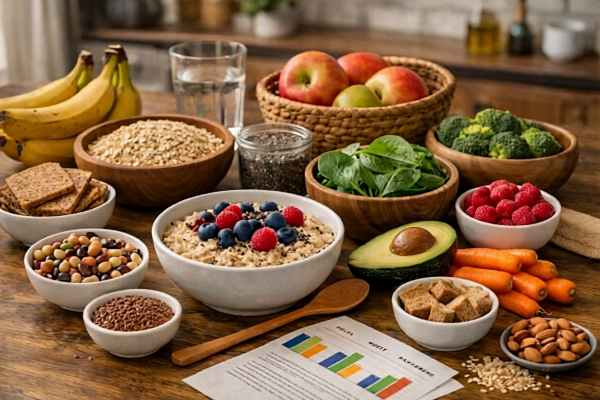
Dietary fibre is an important part of a balanced diet and plays a major role in supporting healthy digestion. It is mainly found in plant-based foods such as fruits, vegetables, whole grains, legumes, nuts, and seeds. Unlike many other nutrients, fibre is not fully digested by the body, which is part of what makes it useful for digestive health.
1. Supports Regular Bowel Movements
Fibre adds bulk to stool and can help food move through the digestive system more efficiently. Getting enough fibre can support regular bowel movements and help maintain healthy bowel habits.
2. Helps Prevent Constipation
Fibre, particularly insoluble fibre, can add bulk to stool. Combined with adequate fluid intake, this can help make bowel movements easier and reduce the likelihood of constipation.
3. Supports Healthy Gut Bacteria
Certain types of fibre are fermented by beneficial bacteria in the large intestine. This provides fuel for the gut microbiome and supports a healthy digestive environment.
4. Helps Maintain Digestive Health
A fibre-rich diet can support the normal functioning of the digestive system. Eating a variety of fibre-containing foods also provides other important nutrients that contribute to overall health.
5. Soluble and Insoluble Fibre
There are two broad types of dietary fibre:
* **Soluble fibre:** Dissolves in water and can form a gel-like substance. It is found in foods such as oats, beans, lentils, apples, and some vegetables.
* **Insoluble fibre:** Does not dissolve in water and helps add bulk to stool. Whole grains, nuts, seeds, and many vegetables are good sources.
Many plant foods contain a combination of both types.
6. Helps Support Blood Sugar Control
Some fibre-rich foods can slow the digestion and absorption of carbohydrates, which may help reduce rapid increases in blood glucose after meals. Choosing whole, fibre-rich foods can therefore be part of a balanced eating pattern.
7. Can Help With Fullness
Fibre-rich foods can help people feel full for longer. Foods such as vegetables, legumes, fruits, and whole grains can therefore be useful when building satisfying meals.
8. Good Sources of Fibre
Some everyday sources include:
* Fruits such as apples, pears, berries, and oranges
* Vegetables such as carrots, peas, broccoli, and leafy greens
* Lentils, chickpeas, beans, and other legumes
* Oats and whole grains
* Nuts and seeds
How to Increase Fibre Intake
Increase fibre gradually rather than making a sudden large change. Add more vegetables to meals, choose whole grains more often, include legumes regularly, and select whole fruits instead of relying mainly on juices. Drinking enough fluids is also important when increasing fibre intake.
Conclusion
Fibre is an essential part of a healthy eating pattern and plays an important role in **regular bowel movements, digestive function, and a healthy gut environment**. Eating a variety of fruits, vegetables, whole grains, legumes, nuts, and seeds is a practical way to increase fibre intake while also getting other valuable nutrients.