Unseasonal Rains Threaten India Wheat Output, Quality Concerns Rise by Amit Gupta Kedia Advisory

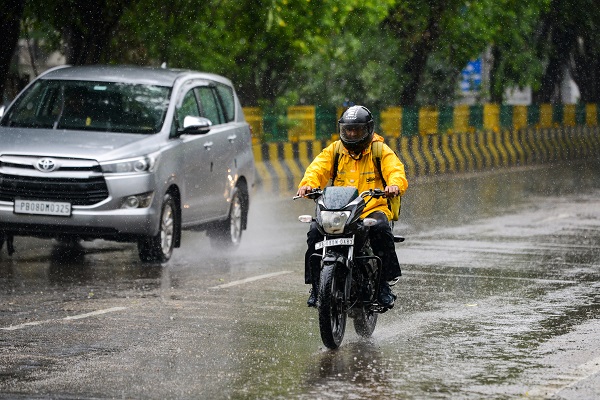
Unseasonal rains and hailstorms across multiple regions in India are expected to reduce wheat production by 5–10% and significantly impact crop quality. Despite a record output estimate of 120.21 million tonnes, damage across 111 districts has led to concerns over shrivelled grains and luster loss. Key producing states such as Punjab, Haryana, and Uttar Pradesh have reported notable losses. The government is assessing damage and may relax procurement quality norms to support farmers amid the adverse weather impact.
Key Highlights
* Wheat output may decline 5 - 10% due to unseasonal rains
* 111 districts across 9 states impacted by weather damage
* Up to 30% crop faces quality deterioration issues
* Punjab, Haryana, UP among worst-hit producing regions
Government may relax procurement norms to support farmers
Wheat markets in India are facing downside pressure on production estimates following widespread unseasonal rains and hailstorms during March and April. The adverse weather conditions have impacted over 111 districts across nine states, raising concerns of a 5–10% decline in overall wheat output. This comes despite the government’s initial projection of a record 120.21 million tonnes, indicating a potential gap between estimates and actual realizations.
Supporting the production outlook, crop damage has been reported at varying levels, ranging from 3% to as high as 25% in severely affected regions. Key wheat-producing states such as Punjab, Haryana, Uttar Pradesh, and Bihar have witnessed significant losses, particularly in areas where crops were at maturity or harvesting stages. In these regions, nearly 25–30% of the standing crop has suffered damage, with reports of lodging, shrivelled grains, and loss of grain luster affecting quality.
Beyond production losses, quality concerns are emerging as a critical factor influencing market dynamics. Up to 30% of the harvest in affected areas is reported to be of substandard quality, which could impact milling output and market prices. Meanwhile, around 51 districts have reported relatively lower damage of 3–5%, indicating a mixed impact across regions.
On the policy front, the government is closely monitoring the situation and has dispatched central teams to assess crop damage. Requests for relaxation in Fair Average Quality (FAQ) norms have been received from states like Rajasthan and Haryana to facilitate procurement and prevent farmer distress.
Finally, weather-driven damage is likely to tighten wheat supply and impact quality, with policy support crucial to stabilizing markets and ensuring smooth procurement amid production uncertainties.
Above views are of the author and not of the website kindly read disclaimer