Turmeric trading range for the day is 15578-16254 - Kedia Advisory

Gold
Gold prices declined by 1.33% to settle at Rs149,339, extending losses despite persistent geopolitical tensions in the Middle East. Escalating risks in the Strait of Hormuz and continued conflict have driven energy prices higher, intensifying global inflation concerns. This has strengthened expectations that major central banks may maintain elevated interest rates for longer, limiting gold’s upside appeal. Notably, gold prices remain approximately 13% lower since the onset of the conflict, reflecting stronger monetary tightening expectations outweighing safe-haven demand. Fundamentally, global gold demand showed resilience, rising 2% year-on-year to 1,230.9 metric tons in the first quarter of 2026. Strong investment demand, particularly for bars and coins, surged 42% to 473.6 tons, marking the highest level since 2013. Central bank purchases also increased by 3%, with continued accumulation supporting long-term sentiment. China led investment demand with a 67% rise in bar and coin purchases, while premiums in its domestic market climbed to $16–$20 per ounce. Meanwhile, India witnessed subdued demand due to volatile prices and a weaker rupee, with dealers offering discounts compared to previous premiums. On the supply side, gold holdings in London vaults rose to 9,339 tons, indicating steady inventory levels. Additionally, regulatory easing in China’s gold import framework is expected to improve trade efficiency and support liquidity. However, a sharp 23% decline in jewellery demand globally highlights weak consumer sentiment amid high prices. Technically, the market is under fresh selling pressure, with open interest rising by 9.89% to 9,981 lots while prices dropped Rs2,013. Immediate support is seen at Rs148,285, with further downside toward Rs147,230. On the upside, resistance is placed at Rs150,870, and a breakout above this level could push prices toward Rs152,400.
Trading Ideas:
* Gold trading range for the day is 147230-152400.
* Gold fell as geopolitical tensions in the Middle East remained elevated, fueling inflation concerns.
* Middle East conflict has pushed energy prices sharply higher and intensified inflation risks.
* Central banks bought 244t (+3% y/y) of gold on a net basis in Q1
Silver
Silver prices declined sharply by 2.81% to settle at Rs243,895, tracking broad-based weakness amid rising geopolitical tensions and persistent inflation concerns. Escalation in the Middle East, particularly around the Strait of Hormuz, has pushed energy prices higher, reinforcing fears of prolonged inflationary pressure. This has strengthened expectations that major central banks may maintain a restrictive monetary stance for an extended period, thereby limiting the appeal of non-yielding assets like silver. From a macro perspective, the US Federal Reserve held interest rates steady at 3.50%–3.75%, although the policy decision witnessed notable dissent, indicating underlying uncertainty. Strong US economic data and rising inflation have reinforced expectations that rates could remain elevated into next year. However, the probability of at least one rate cut in 2026 has increased modestly, reflecting some divergence in market expectations. Other major central banks, including the European Central Bank and the Bank of England, also maintained status quo, aligning with the global cautious approach. On the demand side, China emerged as a key driver, with silver imports surging to a record 836 metric tons in March, significantly above historical averages. This spike was driven by strong retail investment demand as a substitute for gold and aggressive stockpiling by the photovoltaic sector ahead of policy changes. Higher domestic premiums in China further encouraged global arbitrage flows. Meanwhile, silver holdings in London vaults increased by 1.6% to 27,487 tonnes, indicating stable supply conditions. Technically, the market is under fresh selling pressure, with open interest rising by 9.43% to 7,722 lots while prices declined Rs7,042. Immediate support is seen at Rs239,600, with further downside toward Rs235,300. On the upside, resistance is placed at Rs249,715, and a breakout above this level could push prices toward Rs255,530.
Trading Ideas:
* Silver trading range for the day is 235300-255530.
* Silver dropped as rising Middle East tensions stoked inflation fears.
* Iran’s Fars news agency said two missiles hit a US Navy frigate in the Strait of Hormuz, calling it a breach of "traffic and shipping security".
* IRGC Navy released a map designating areas of the Strait under Iranian military control.
Crude oil
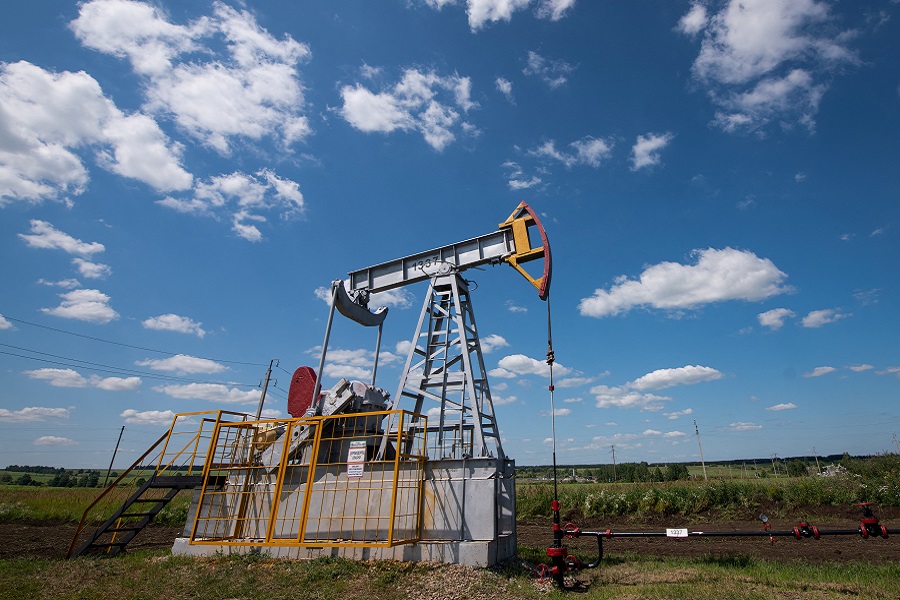
Crude oil prices surged by 4.06% to settle at Rs10,057, driven by escalating geopolitical tensions in the Middle East. Reports of a US naval vessel being targeted near the Gulf of Oman and Iran’s move to tighten control over shipping in the Strait of Hormuz have significantly heightened supply disruption concerns. The situation has increased uncertainty in global energy markets, as the strategic waterway remains partially restricted. Additional support came after the United States signaled plans to assist stranded vessels in the region, highlighting the severity of logistical disruptions. On the supply side, OPEC+ announced a modest production increase of 188,000 barrels per day for June, slightly lower than the previous month’s hike. The adjustment follows structural changes within the group, including the exit of the United Arab Emirates. Meanwhile, strong bullish signals emerged from US inventory data. Crude stockpiles declined sharply by 6.233 million barrels, far exceeding expectations, while gasoline and distillate inventories also recorded significant drawdowns. Refinery activity improved, with higher crude runs and utilization rates, indicating strengthening demand conditions. Additionally, a sharp drop in net US crude imports further tightened domestic supply. However, OPEC slightly revised down its global demand forecast for the second quarter by 500,000 barrels per day due to temporary demand softness linked to geopolitical uncertainties. Despite this, demand expectations for the full year remain stable, with anticipated recovery in the second half. Technically, the market is under fresh buying interest, supported by an 8.15% rise in open interest to 16,594 lots alongside a Rs392 price gain. Immediate support is seen at Rs9,634, with further downside toward Rs9,211. On the upside, resistance is placed at Rs10,362, and a sustained move above this level could drive prices toward Rs10,667.
Trading Ideas:
* Crudeoil trading range for the day is 9211-10667.
* Crude oil gains after Iran's navy said it had prevented a U.S. warship from entering the Strait of Hormuz.
* OPEC+ says it will raise oil output by 188,000 barrels per day in June.
* The latest increase is slightly less than the 206,000 bpd raise OPEC+ announced last month.
Natural gas
Natural gas prices gained 3.78% to settle at Rs274.5, supported by a combination of tighter supply dynamics and strong export demand. The upside was primarily driven by a smaller-than-expected storage build, declining production levels, and near-record LNG exports. The EIA reported a storage injection of 79 Bcf for the week ended April 24, slightly below expectations and significantly lower than both the previous week’s 103 Bcf and the 105 Bcf addition recorded a year ago, indicating relatively tighter supply conditions in the near term. Production trends also supported prices, with output declining by nearly 2.0 bcfd over the past few days to a 12-week low of 107.6 bcfd, as major producers curtailed supply due to earlier weak price realizations. On the demand front, LNG export feedgas flows increased to 18.8 bcfd in April, surpassing the previous monthly record, reflecting robust global demand for US natural gas. However, despite these supportive factors, overall market sentiment remains somewhat balanced as total inventories rose to 2.142 trillion cubic feet, which is 5.7% higher than last year and 7.7% above the five-year seasonal average, highlighting sufficient supply buffers. Looking ahead, the EIA projects US natural gas production to rise to record levels in 2026, while domestic consumption is expected to decline slightly before recovering in 2027. LNG exports are forecast to continue their upward trajectory, providing long-term demand support. Technically, the market is witnessing short covering, with open interest declining sharply by 25.8% to 20,653 lots while prices gained Rs10. Immediate support is seen at Rs267.3, with further downside toward Rs260.1. On the upside, resistance is placed at Rs278.9, and a breakout above this level could push prices toward Rs283.3.
Trading Ideas:
* Naturalgas trading range for the day is 260.1-283.3.
* Natural gas rose supported by smaller storage injection, lower production, and near-record LNG exports.
* EIA reported a 79 Bcf injection into storage, broadly in line with expectations of an 80 Bcf build.
* Production has weakened further, falling by around 2.0 bcfd over the past five days.
Copper
Copper prices slipped by 0.43% to settle at Rs1,276.75, as fresh demand concerns linked to escalating Iran US tensions offset support from tightening near term supply signals. Rising geopolitical risks have strengthened the US dollar and raised concerns over global growth and industrial demand, weighing on base metals sentiment. However, downside remained limited due to continued speculative inflows into the metals sector and supply side concerns, particularly the risk of sulphuric acid shortages if disruptions in the Strait of Hormuz persist. Inventory trends presented a mixed picture. Stocks at the Shanghai Futures Exchange have more than halved from March highs and declined a further 4.6% last week, reflecting seasonal demand recovery and restocking ahead of holidays in China. In contrast, LME inventories have more than doubled since January, while Comex stocks have surged significantly over the past year, indicating ample global availability outside China. Fundamentally, the global copper market is shifting toward a surplus environment. The International Copper Study Group reported a refined copper surplus of 276,000 metric tons in February and projects a surplus of 96,000 metric tons in 2026, expanding further in 2027. Demand growth expectations have been revised lower, particularly in developed markets, while supply is supported by rising secondary production. Production data showed mixed trends, with declines in Chile offset partly by gains in Peru and select mining operations. Technically, the market is under fresh selling pressure, with open interest rising by 2.19% to 12,364 lots while prices declined Rs5.45. Immediate support is seen at Rs1,271.1, with further downside toward Rs1,265.5. On the upside, resistance is placed at Rs1,284.2, and a sustained move above this level could push prices toward Rs1,291.7.
Trading Ideas:
* Copper trading range for the day is 1265.5-1291.7.
* Copper dropped as fresh demand headwinds from the Iran-US conflict momentarily offset the impact of tight supply.
* Claims that Iran struck US military vessels dimmed the likelihood of energy exports from the region.
* LME copper stocks have more than doubled since early January
Zinc
Zinc prices edged lower by 0.28% to settle at Rs342.45, pressured by broader weakness across industrial metals amid rising geopolitical uncertainties linked to the Middle East conflict. Sentiment was also weighed down by expectations of increased supply, as Swedish miner Boliden indicated that production at its Garpenberg mine will resume in the second quarter. However, downside remained limited due to tightening near-term supply conditions and firm underlying market structure. Supply-side dynamics continue to provide support. Falling inventories on the London Metal Exchange, along with a narrowing cash to three-month contango, indicate a tighter physical market. Shanghai Futures Exchange stocks declined, while port inventories of zinc concentrate dropped sharply, highlighting constraints in raw material availability. Lower treatment charges for zinc concentrate further confirm tightening feedstock supply. Ongoing mine closures and operational disruptions have also contributed to supply pressure, although some relief is expected from the restart of the Tara mine and ramp-up at the Kipushi project. On the demand side, improving industrial activity in China offered some support, though global growth concerns persist due to geopolitical tensions. Data from the International Lead and Zinc Study Group showed the market shifted to a surplus of 9,200 metric tons in January. Goldman Sachs expects a small surplus in 2026, driven by higher mine supply, although demand is projected to grow steadily by around 2% annually. Technically, the market is under fresh selling pressure, with open interest rising by 1.15% to 2,199 lots while prices declined Rs0.95. Immediate support is seen at Rs341.3, with further downside toward Rs340.1. On the upside, resistance is placed at Rs343.8, and a sustained move above this level could push prices toward Rs345.1.
Trading Ideas:
* Zinc trading range for the day is 340.1-345.1.
* Zinc dropped as Boliden’s plan to resume production at Garpenberg in Q2 helped ease some supply concerns.
* LME inventories continued to fall, while the narrowing Cash-3M contango signaled a firmer market structure.
* Bank of America lifted its 2026 zinc price forecast by 12.7% to $3,309 a metric ton.
Aluminium
Aluminium prices rose by 0.57% to settle at Rs371, supported by escalating supply concerns linked to ongoing geopolitical tensions in the Middle East. The continued standoff between the United States and Iran has raised fears of disruptions in shipments from the Gulf region, particularly through the Strait of Hormuz. Additional support came as the United States signaled prolonged restrictions on Iranian commercial vessels, reinforcing expectations of tight supply conditions in the near term. Fundamentally, strong demand indicators from China further supported prices. The manufacturing PMI climbed to 52.2 in April, marking the fastest expansion since December 2020, driven by robust growth in new orders and output. On the supply side, aluminium stocks at major Japanese ports declined by 7.4%, while premiums for April to June shipments surged to their highest levels in 11 years, reflecting tightening physical availability. Although global primary aluminium output rose 0.9% year on year in March, the slight decline in daily production rates indicates emerging supply constraints. Market outlook remains constructive, with major institutions projecting higher prices. Forecasts suggest a significant supply deficit in 2026 due to disruptions in Middle East output, with expectations that prices could trend toward higher levels in the coming quarters. China’s import data also showed a 6.9% annual increase in March, reflecting strong domestic demand, while production rose 2.7%, indicating balanced but tight market conditions. Technically, the market is witnessing short covering, as open interest declined by 0.48% to 3,082 lots while prices gained Rs2.1. Immediate support is seen at Rs369.1, with further downside toward Rs367.1. On the upside, resistance is placed at Rs372.2, and a sustained move above this level could push prices toward Rs373.3.
Trading Ideas:
* Aluminium trading range for the day is 367.1-373.3.
* Aluminium gains on fears of supply shortages as the standoff between the U.S. and Iran continued
* China General Manufacturing PMI climbed to 52.2 in April 2026 from 50.8 in March, above the expected 51.
* BOFA brought forward its $4,000 per metric ton aluminium price forecast to the fourth quarter of 2026 from the second quarter of 2027.
Turmeric
Turmeric futures edged higher by 0.35% to settle at Rs15,988, supported initially by tight spot availability across key mandis in Maharashtra and Telangana. Lower-than-normal arrivals during the peak season, coupled with quality deterioration due to moisture-related rhizome rot, have constrained the supply of premium “Double Polished” varieties. This has kept sentiment firm, especially as high-grade “Salem Fali” turmeric continues to command strong premiums near Rs20,000 per quintal in major trading hubs. However, the upside remains capped as arrivals have recently accelerated in key mandis such as Nizamabad, Erode, and Hingoli, creating a short-term supply glut. Farmers are actively liquidating stocks to meet liquidity needs ahead of Kharif sowing, leading to increased market arrivals and price pressure, particularly on average-quality produce. Additionally, profit booking by stockists who accumulated positions at lower levels in March has further added to near-term selling pressure. On the demand side, export trends remain mixed. Cumulative turmeric exports during Apr–Feb 2026 rose marginally by 1% year-on-year, while imports declined sharply by 40%, tightening overall supply dynamics. Supportive factors include steady demand for IPM-certified turmeric from the EU and fresh buying interest from Bangladesh, particularly for finger varieties. Meanwhile, reduced production estimates at 1.14 million tonnes and concerns over a below-normal monsoon are building a longer-term bullish undertone. Technically, the market is witnessing short covering, with open interest declining by 2.75% to 15,395 lots while prices gained Rs56. Immediate support is seen at Rs15,784, with a break potentially testing Rs15,578. On the upside, resistance is placed at Rs16,122, and a sustained move above this level could push prices toward Rs16,254.
Trading Ideas:
* Turmeric trading range for the day is 15578-16254.
* Turmeric gains as arrivals have remained lower than normal for this peak season
* Farmers are liquidating stocks more rapidly to raise liquidity for upcoming Kharif sowing expenses, increasing the immediate supply.
* Lingering tensions in the Middle East continue to complicate export logistics, causing some buyers to defer commitments.
* In Nizamabad, a major spot market, the price ended at 15607.45 Rupees gained by 0.2 percent.
Jeera
Jeera futures declined sharply by 2.05% to settle at Rs20,025, primarily pressured by a surge in fresh crop arrivals from key Rajasthan hubs. Favorable weather conditions enabled faster harvesting across North-West India, resulting in a sudden supply spike rather than a gradual inflow. Farmers are actively offloading stocks to generate liquidity ahead of the Kharif sowing season, maintaining consistent selling pressure. Additionally, daily arrivals at Unjha mandi have stabilized at elevated levels of ????? 28,500 bags, creating a visible supply glut that weighed on prices. However, downside remains partially cushioned by emerging supply-side concerns. Recent thunderstorms and hailstorms in Rajasthan have damaged standing crops at the harvest stage, raising fears of reduced availability of premium “A-grade” and “Sortex” quality jeera. Unseasonal rains have also delayed drying and processing, creating short-term disruptions in supply flow. Furthermore, Gujarat production is estimated to decline by nearly 27% due to lower acreage and yield losses, with blight disease further impacting quality and output. On the global front, lower production estimates in China, along with stable output expectations from Syria, Turkey, and Afghanistan, are influencing sentiment. Domestic production is projected at 90–92 lakh bags, significantly below last year’s 1.10 crore bags. Export data remains weak, with shipments during Apr–Feb 2026 declining 15% year-on-year, although a strong month-on-month recovery in February indicates improving demand. Expectations of fresh Chinese buying interest also lend medium-term support. Technically, the market is under fresh selling pressure, as open interest rose by 0.63% to 7,698 lots while prices declined Rs420. Immediate support is seen at Rs19,840, with a break below likely testing Rs19,640. On the upside, resistance is placed at Rs20,300, and a sustained move above this level may push prices toward Rs20,560.
Trading Ideas:
* Jeera trading range for the day is 19640-20560.
* Jeera dropped as fresh crop arrivals from key Rajasthan hubs have increased.
* Favorable weather conditions across North-West India allowed farmers to complete harvesting faster than expected.
* Farmers are actively offloading stocks this week to generate liquidity for the upcoming Kharif planting season.
* In Unjha, a major spot market, the price ended at 20483.45 Rupees dropped by -0.38 percent.
Views express by all participants are for information & academic purpose only. Kindly read disclaimer before referring below views