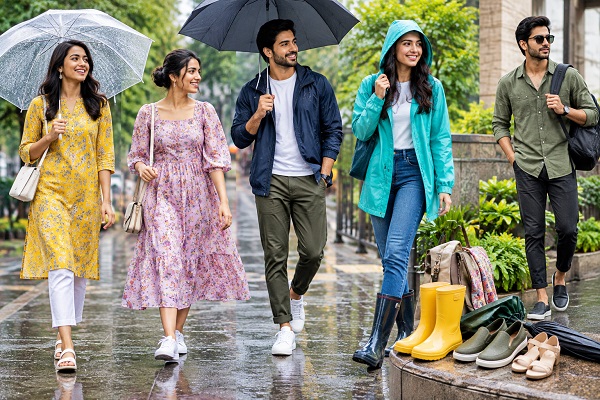
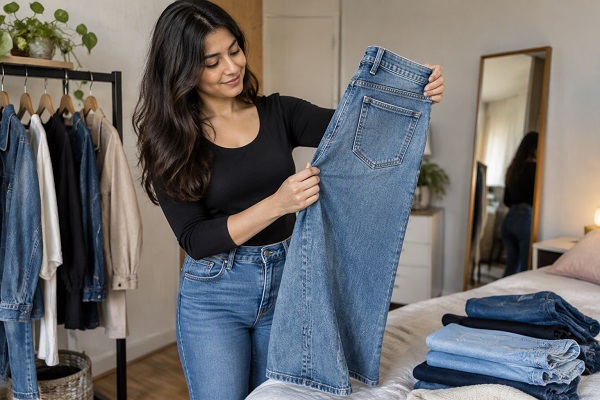
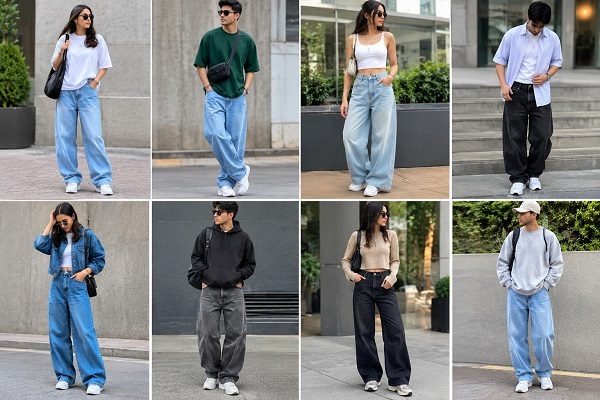
The Psychology Behind Clothing Choices
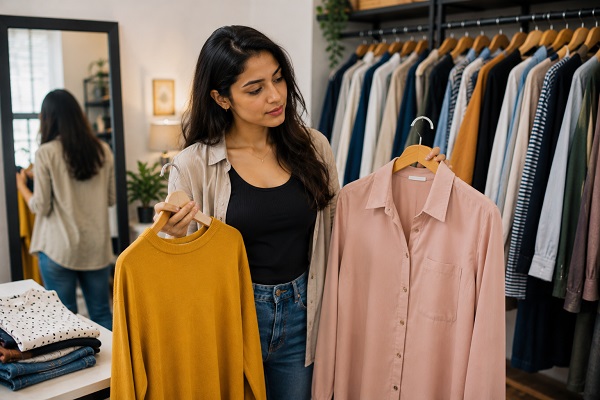
Why Clothing Matters ?
Clothing is one of the first things people notice about us. Before a conversation even begins, our appearance communicates messages about professionalism, creativity, confidence, and individuality. Whether it's a tailored suit for an important meeting or comfortable casual wear for a relaxed weekend, every outfit sends a subtle signal about who we are.
Psychologists refer to this as non-verbal communication, where clothing becomes a powerful way of expressing identity without saying a word.
Fashion as Self-Expression
Every individual has a unique personality, and fashion provides a canvas to showcase it. Some people prefer bold colors and statement pieces, while others gravitate toward minimalist designs and neutral tones.
For example:
* Bright colors often reflect energy, optimism, and confidence.
* Neutral shades may suggest sophistication and simplicity.
* Vintage clothing can express creativity and appreciation for timeless style.
* Athletic wear often represents an active and health-conscious lifestyle.
Rather than following every trend, many people use fashion to tell their own story.
The Influence of Color Psychology
Colors play a significant role in shaping emotions and perceptions.
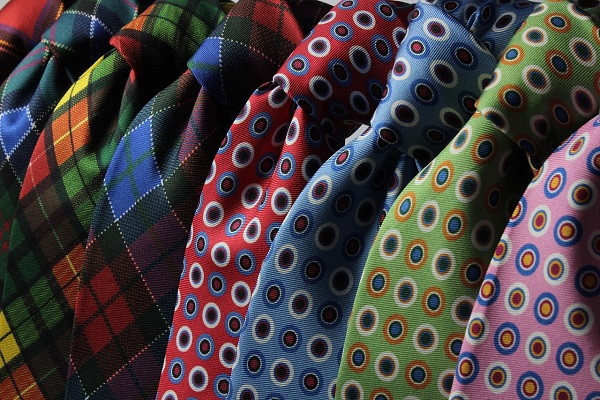
* Black symbolizes elegance, authority, and confidence.
* Blue is associated with trust, calmness, and professionalism.
* White represents simplicity, cleanliness, and freshness.
* Red conveys passion, energy, and boldness.
* Green is linked with balance, growth, and harmony.
Yellow reflects optimism, happiness, and creativity.
Choosing colors based on the occasion can subtly influence both your own mindset and how others perceive you.
How Clothing Affects Confidence
The idea of "enclothed cognition" suggests that what we wear can influence our thoughts, emotions, and performance. Wearing clothes that make us feel comfortable and confident often improves posture, communication, and self-esteem.
For example:
* Professional attire can encourage a more focused mindset during work.
* Formal clothing may increase confidence in interviews or presentations.
* Well-fitted casual outfits can make social interactions feel more relaxed and enjoyable.
When people feel good about their appearance, they often project greater confidence.
Fashion and First Impressions
Research consistently shows that first impressions are formed within seconds. Clothing plays a key role in these initial judgments.
People often associate certain styles with characteristics such as:
* Reliability
* Professionalism
* Creativity
* Leadership
* Attention to detail
While appearance should never define a person's abilities, dressing appropriately for different situations can create a positive and lasting impression.
Comfort and Emotional Well-Being
Fashion isn't just about looking good-it's also about feeling good. Comfortable clothing can reduce stress and improve mood throughout the day.
Soft fabrics, breathable materials, and properly fitted garments contribute to both physical comfort and emotional well-being. Many people naturally choose cozy clothing during stressful periods because it creates a sense of security and relaxation.
The Impact of Social and Cultural Influences
Clothing choices are shaped by more than individual preferences. Family traditions, cultural values, workplace expectations, and social media all influence how people dress.
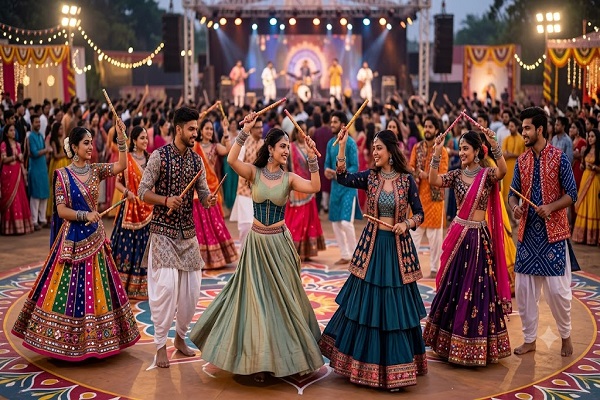
In India, for instance, traditional attire such as sarees, kurtas, and sherwanis continue to hold cultural significance, while modern fashion increasingly blends global trends with local heritage.
This fusion allows individuals to celebrate tradition while embracing contemporary style.
Fashion Trends and Personal Identity
Fashion trends come and go, but personal style remains unique. While trends can inspire new looks, blindly following every trend may not always align with one's personality.
Developing a signature style helps people:
* Feel more authentic
* Simplify wardrobe decisions
* Build confidence
* Create a memorable personal image
True style is about wearing clothes that reflect your personality rather than simply copying what's popular.
The Role of Fashion in Professional Success
Professional environments often have dress expectations that influence credibility and confidence. Dressing appropriately for the workplace demonstrates respect for the organization and the occasion.
Business attire, smart casual outfits, and polished accessories can enhance professional presence while helping individuals feel more prepared for important meetings and presentations.
Dressing for Yourself
One of the healthiest approaches to fashion is dressing for personal satisfaction rather than seeking external approval. Choosing clothing that aligns with your comfort, personality, and lifestyle creates greater confidence than simply chasing trends.
Fashion becomes most meaningful when it reflects authenticity rather than pressure.
Building a Wardrobe That Supports Confidence
A well-planned wardrobe doesn't require expensive brands. Instead, focus on:
* Quality over quantity
* Well-fitted clothing
* Versatile wardrobe essentials
* Colors that suit your complexion
* Comfortable fabrics
* Timeless pieces that remain stylish
Investing in clothing that makes you feel confident often provides greater long-term value than frequently buying fast-fashion trends.
Conclusion
Clothing is much more than fabric-it is a powerful form of communication that influences confidence, emotions, and social interactions. From the colors we wear to the styles we choose, fashion reflects our identity while also shaping how we perceive ourselves and how others perceive us.
Understanding the psychology behind clothing choices allows us to build a wardrobe that supports both personal expression and emotional well-being. Ultimately, the best outfit is one that makes you feel comfortable, authentic, and confident enough to face every opportunity with self-assurance.