The Importance of Balance Training for Better Health as You Age
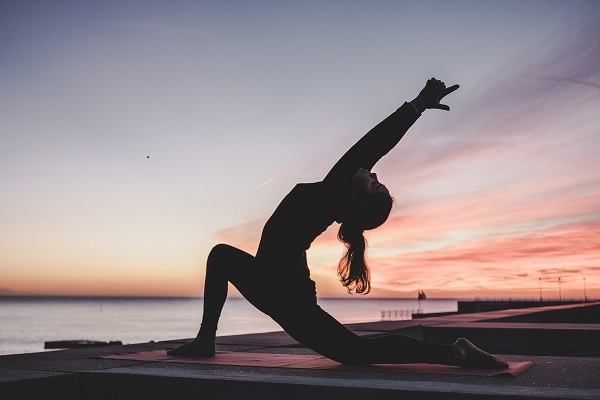
Maintaining good health involves more than building muscle strength or improving cardiovascular fitness. Balance is another important part of physical well-being that helps people move confidently, perform everyday activities, and reduce the risk of falls.
Although balance may not receive as much attention as walking, running, or strength training, it plays a role in many ordinary movements, including climbing stairs, standing on one leg, and changing direction while walking. Including simple balance exercises in a regular fitness routine can help people improve body awareness and movement control.
Understand Why Balance Matters
Balance depends on the coordination of several body systems, including vision, the inner ear, and sensory information from muscles and joints. The brain combines these signals to help the body maintain a stable position.
As people grow older, changes in strength, coordination, vision, and reaction time can affect balance. Regular physical activity that includes balance exercises can help support mobility and independence throughout life.
Start With Simple Exercises
Balance training does not always require specialised equipment or a gym membership. Standing on one leg while holding a stable support, walking heel-to-toe along a clear path, and practising controlled weight shifts are examples of simple activities.
Beginners should start with exercises that feel manageable and progress gradually. Performing them near a sturdy countertop or another reliable support can provide additional stability when needed.
Combine Balance With Strength Training
Strong muscles help the body maintain control during movement. Exercises that strengthen the legs, hips, and core can complement balance training and support activities such as walking, standing up from a chair, and climbing stairs.
A balanced fitness routine can include resistance exercises, regular walking, flexibility work, and balance practice. The combination should be appropriate for a person's fitness level and physical abilities.
Make Practice Consistent
Balance can improve through regular practice, but consistency is more important than attempting difficult exercises immediately. Short sessions incorporated into a weekly fitness schedule can be a practical starting point.
People should practise in a clear, non-slippery area and avoid challenging movements when tired. Anyone who frequently experiences dizziness, has repeated falls, or has a medical condition affecting mobility should seek professional guidance before beginning balance exercises.
Conclusion
Balance training is a useful but often overlooked part of physical fitness. By improving movement control, supporting coordination, and complementing strength exercises, it can contribute to safer and more confident everyday movement.
A few carefully chosen exercises can make balance training accessible to many people. Starting at an appropriate level and practising consistently can help make it a lasting part of a healthy lifestyle.