The Evolution of Cars: Driving Towards the Future
Cars have become an essential part of modern life, offering convenience, comfort, and freedom of movement. From daily commutes to long road trips, they make travelling easier while connecting people to different places. Over the years, the automobile industry has transformed significantly through innovative designs, improved performance, and advanced technology.
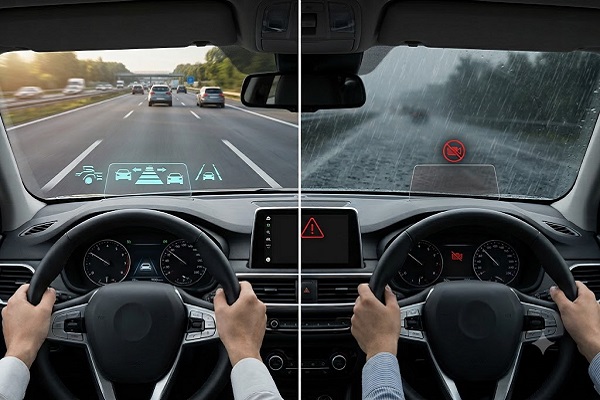
Modern cars offer much more than transportation. Features such as touchscreen infotainment systems, advanced navigation, parking sensors, adaptive cruise control, and driver-assistance technologies have made driving more comfortable and convenient. Manufacturers are also focusing on safety through improved braking systems, airbags, and smart technologies designed to help reduce road accidents.
Another major development is the growing popularity of electric vehicles. As environmental awareness increases, automakers are exploring cleaner alternatives to traditional petrol and diesel engines. Electric cars can reduce tailpipe emissions and may offer lower running costs, depending on electricity prices, usage, and maintenance requirements.
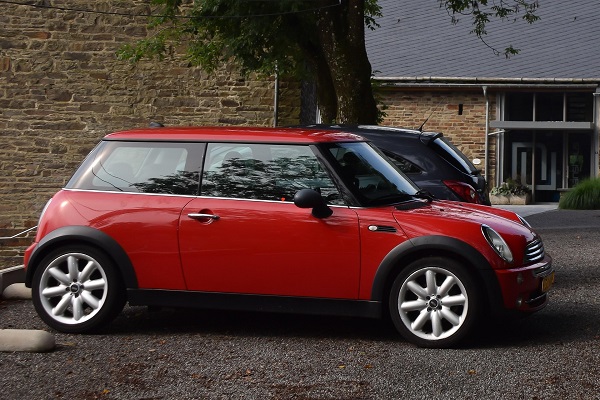
Design also plays a major role in the automobile market. Consumers look for vehicles that combine attractive styling, comfortable interiors, reliable performance, and practical features. From compact city cars to luxury sedans and powerful sports cars, the industry offers options for different needs and budgets.
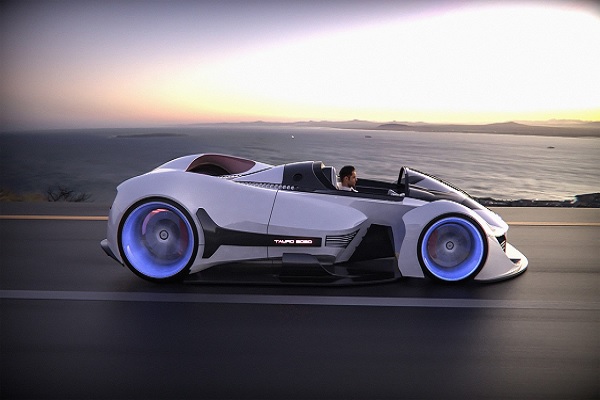
The future of cars is expected to bring further advancements in connectivity, electrification, and automated driving technology. However, affordability, charging infrastructure, road safety, and environmental impact will remain important considerations.
Ultimately, cars represent more than speed and style. They reflect technological progress and changing lifestyles. As innovation continues, the goal will be to develop vehicles that are safer, more efficient, more comfortable, and better suited to the needs of future generations.