TCS to match AI agents with human workforce in 3 years: N Chandrasekaran
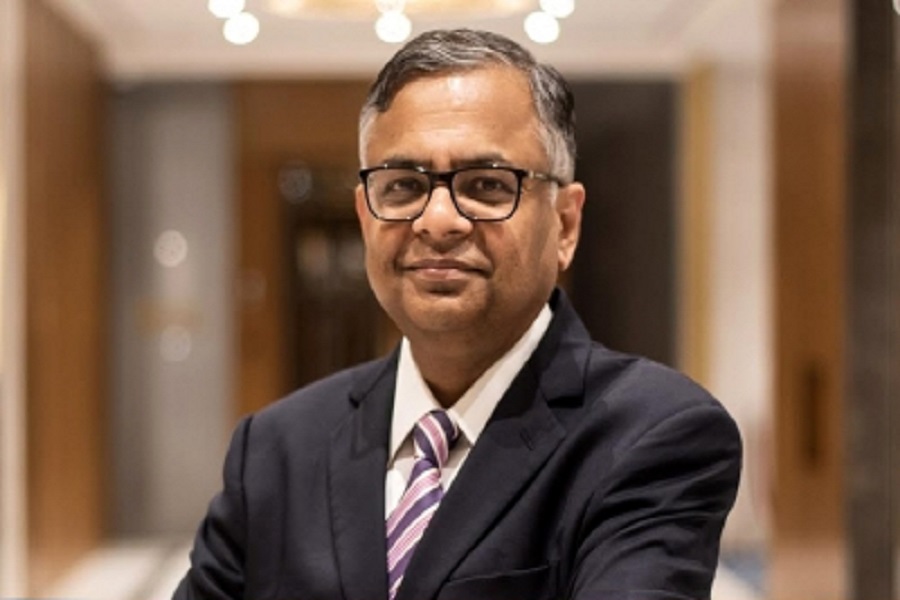
Tata Consultancy Services expects a major transformation in the coming years, with artificial intelligence (AI) becoming deeply integrated into its workforce and operations, its Chairman N Chandrasekaran said on Tuesday.
Speaking at the 31st Annual General Meeting here, he said that over the next three years, the company could have as many AI agents as human employees, marking a major shift in how work is done at TCS.
He said the company is building what he called “the most consequential work” in its history, as AI reshapes the global technology services industry.
“Some say AI poses a fundamental threat to that model. I see it differently: far from being a mortal threat, AI is the most significant opportunity yet for enterprise IT,” he said.
According to him, nearly three-fourths of enterprises worldwide expect their technology spending to rise in the next two years, driven largely by AI adoption.
“Globally, three-quarters of enterprises expect technology spend to increase over the next two years, largely thanks to AI,” he added.
Chandrasekaran also pointed to strong momentum in TCS’s AI business. He said that in the last quarter of FY26, the company recorded an annualised AI revenue of $2.4 billion, which is growing at a compound quarterly growth rate of 22.4 per cent.
He noted that despite investor concerns and recent pressure on the broader IT sector, the company’s fundamentals remain strong, with stable margins, rising revenues and a strong deal pipeline.
“Today, AI primarily exists in the world of software and computers, but soon it will make inroads into the physical world: stores, factories, warehouses, energy networks, vehicles and supply chains. This will require experts who understand how to link IT, AI and physical equipment and infrastructure,” he explained.
Addressing concerns about AI replacing jobs in the IT services industry, he acknowledged that a key question has emerged: if AI can perform much of the work, what happens to a sector built around delivering those services?
However, he argued that the fear is based on a misunderstanding of how AI will interact with enterprise systems.








More News

The Wealth Company`s ~Rs1000 Crore+ Private Market Portfolio Moves Towards Public Market