Sports Injuries Leading to Knee Pain: Causes, Symptoms, and Prevention
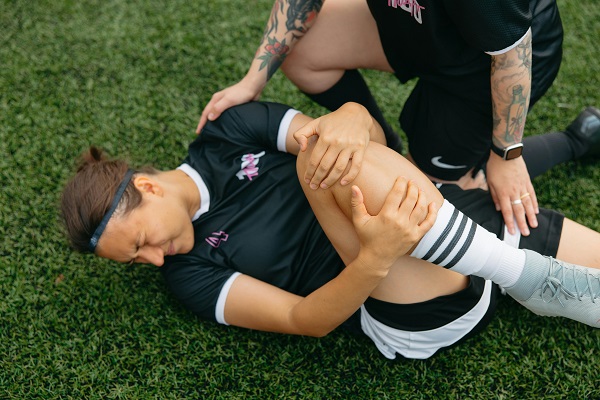
Knee pain is one of the most common complaints among athletes and active individuals. Whether you are a professional sportsperson or someone who enjoys weekend games, the knee joint takes on significant stress during movement. From running and jumping to sudden turns and tackles, sports activities can put intense pressure on this complex joint. When injuries occur, they often lead to pain, swelling, and restricted mobility that can interfere with both performance and daily life.
Why the Knee Is Vulnerable
The knee is a hinge joint that connects the thigh bone to the shin bone. It relies on ligaments, tendons, cartilage, and muscles for stability and smooth movement. In high impact or fast paced sports, these structures can be overstretched, torn, or inflamed. Because the knee supports body weight while also allowing flexibility, it is particularly prone to injury.
Common Sports Injuries That Cause Knee Pain
1. Ligament Tears
Ligament injuries are frequent in sports like football, basketball, and skiing. The anterior cruciate ligament injury, commonly known as an ACL tear, is especially common when an athlete suddenly changes direction or lands awkwardly. Posterior cruciate ligament and medial collateral ligament injuries can also cause pain, swelling, and instability.
2. Meniscus Tears
The meniscus is a piece of cartilage that acts as a cushion between the thigh and shin bones. Twisting movements during sports such as tennis or cricket can cause tears. This often results in locking sensations, swelling, and sharp pain.
3. Patellar Tendinitis
Often called jumper’s knee, this condition occurs when the tendon connecting the kneecap to the shinbone becomes inflamed. It is common in sports that involve repeated jumping, like volleyball and basketball.
4. Runner’s Knee
Runner’s knee refers to pain around the kneecap caused by overuse, muscle imbalance, or improper tracking of the patella. Long distance runners and cyclists frequently experience this issue.
5. Bursitis
The knee contains small fluid filled sacs called bursae that reduce friction. Repetitive kneeling or impact can inflame these sacs, leading to swelling and discomfort.
Warning Signs You Should Not Ignore
Knee injuries can range from mild to severe. Persistent swelling, difficulty bearing weight, a popping sound at the time of injury, or a feeling that the knee is giving way are signs that require medical attention. Ignoring early symptoms can worsen the condition and delay recovery.
Treatment and Recovery
Treatment depends on the severity of the injury. Mild cases may improve with rest, ice application, compression, and elevation. Physical therapy helps strengthen surrounding muscles and restore mobility. Severe ligament tears or meniscus damage may require surgical intervention followed by rehabilitation. Early diagnosis plays a key role in preventing long term complications.
Prevention Strategies
Preventing sports related knee injuries starts with proper preparation. Warming up before activity increases blood flow and flexibility. Strength training, particularly for the quadriceps and hamstrings, supports knee stability. Wearing appropriate footwear and using correct techniques during sports also reduce strain. Gradually increasing training intensity rather than sudden spikes in activity helps protect the joint.
The Importance of Listening to Your Body
Athletes often push through discomfort, but ignoring knee pain can lead to chronic problems. Taking adequate rest and addressing minor injuries early ensures long term joint health. Balanced training, recovery time, and proper guidance from coaches or physiotherapists can make a significant difference.
Knee pain from sports injuries is common but manageable with the right approach. Understanding the causes, recognizing early symptoms, and following preventive measures can help you stay active while protecting your knees for the future.