South Korea`s population mobility hits 51-year low in Nov
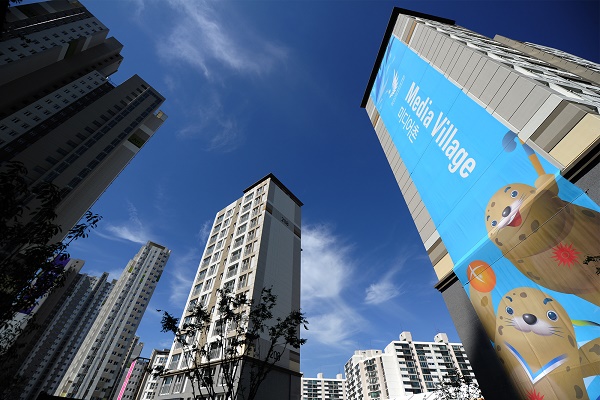
The number of South Koreans relocating to new homes fell to the lowest level in 51 years for any November amid sluggish housing transactions and demographic changes, data showed on Wednesday.
Around 428,000 people changed residences last month, down 8.2 percent from a year earlier, according to data from the Ministry of Data and Statistics, reports Yonhap news agency.
This marks the lowest November figure since 1974, when 394,000 people moved.
Population mobility has been declining due to an aging and shrinking population. Short-term trends are also influenced by housing transactions and the supply of new apartments.
"Housing transaction volumes in September and October, which could affect mobility figures for November, rose slightly from a year earlier, but the number of completed apartment units declined," a ministry official said.
The population mobility rate, which refers to the percentage of people relocating per 100 residents, decreased 0.9 percentage point on-year to 10.2 percent, which marked the lowest level since 2000, when the ministry began compiling relevant data.
By region, Seoul logged a net outflow of 5,504 residents in November, while the western port city of Incheon and Gyeonggi Province reported net gains of 1,902 and 2,789 residents, respectively, the data showed.
Meanwhile, South Korea's consumer sentiment fell by the most in about a year in December due to rising inflationary pressure and the weakening local currency, the central bank said on Wednesday.
The composite consumer sentiment index (CCSI) slid to 109.9 this month, down 2.5 points from November, according to a survey by the Bank of Korea (BOK).
It marked the sharpest decline since December 2024, when the country was reeling from political turmoil following then President Yoon Suk Yeol's declaration of martial law.
A reading above 100 indicates that optimists outnumber pessimists, while a figure below 100 signals the opposite.
"The decline was driven by widening price increases in everyday necessities, such as agricultural and fisheries products and petroleum items," BOK official Lee Hye-young said.
"Consumer concerns have also grown over external uncertainties, including heightened exchange-rate volatility and a reassessment of the artificial intelligence (AI) industry," the official added.