Smart Tips for Buying Quality Clothing: Shop Better, Wear Longer
In a world of fast fashion and ever-changing trends, buying quality clothing has become more important than ever. While inexpensive garments may seem like a great deal, they often wear out quickly, lose their shape, or fade after just a few washes. Investing in well-made clothing not only saves money over time but also helps create a stylish wardrobe that lasts for years.
Quality clothing isn't always about buying expensive brands. It's about understanding fabrics, construction, fit, and durability. By making smarter purchasing decisions, you can build a wardrobe filled with pieces that look great, feel comfortable, and stand the test of time.
Why Quality Clothing Matters
High-quality clothing offers several advantages beyond appearance. It maintains its shape, resists wear and tear, feels more comfortable, and often requires fewer replacements.
Benefits of quality clothing include:
* Better durability
* Improved comfort
* Superior fit
* Long-term value for money
More sustainable fashion choices
Instead of purchasing several low-quality garments, investing in a few well-made pieces often proves to be more economical.
Check the Fabric First
The fabric is one of the biggest indicators of quality.
Natural fabrics such as cotton, linen, wool, and silk generally provide better breathability and comfort. Premium synthetic fabrics can also perform well when designed for specific purposes like sportswear or outdoor clothing.
Look for fabrics that feel smooth, strong, and consistent rather than thin or overly stiff.
Examine the Stitching
Good stitching reflects careful craftsmanship.
Before purchasing clothing, inspect:
* Straight and even stitches
* Tight seams
* No loose threads
* Reinforced stress points
Clean finishing inside the garment
Poor stitching often leads to garments coming apart after repeated use.
Pay Attention to the Fit
Even the highest-quality clothing won't look good if it doesn't fit properly.
Try on garments whenever possible and ensure they:
* Fit comfortably around the shoulders
* Allow easy movement
* Have sleeves and hems of appropriate length
* Sit naturally without pulling or sagging
Tailoring can improve fit, but starting with the right size is always preferable.
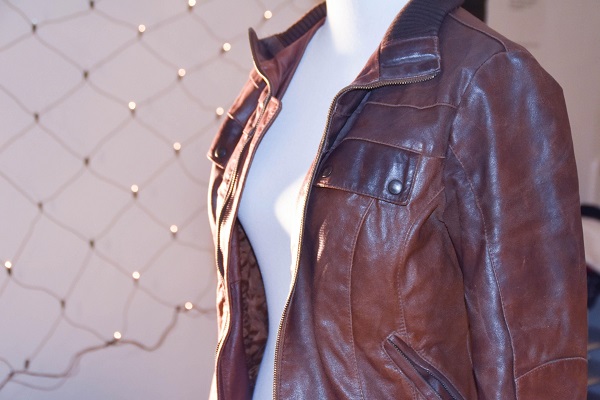
Inspect Buttons and Zippers
Small details reveal a lot about garment quality.
Check whether:
* Buttons are securely attached
* Buttonholes are neatly finished
* Zippers move smoothly
* Metal hardware feels sturdy
Cheap hardware often fails before the fabric itself wears out.
Read the Care Label
Care instructions provide valuable information about both the fabric and maintenance requirements.
Quality garments usually include clear care instructions that help preserve their appearance for years.
If a garment requires special care, make sure it fits your lifestyle before purchasing.
Evaluate Fabric Weight
Heavier fabric isn't always better, but extremely thin material can be a warning sign.
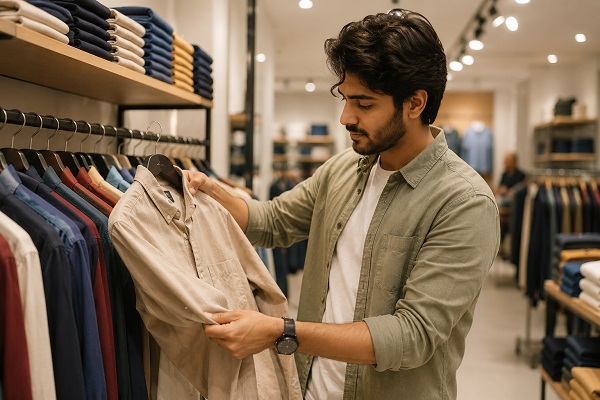
Compare similar garments by holding them in your hands. Higher-quality fabrics generally feel more substantial without being uncomfortable.
Stretch Test the Fabric
Gently stretch the fabric and release it.
Quality material should quickly return to its original shape. If it remains stretched or becomes distorted, durability may be limited.
Look Beyond the Brand Name
A famous logo doesn't always guarantee quality.
Many lesser-known brands produce exceptional clothing using premium materials and excellent craftsmanship.
Focus on construction, fabric, and finishing rather than marketing alone.
Buy Timeless Styles
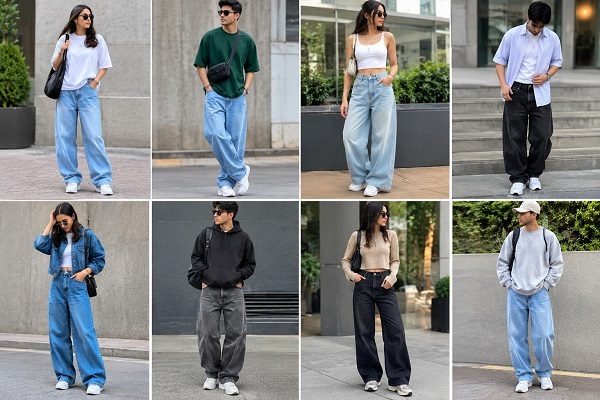
Classic designs remain fashionable for years and provide greater value than short-lived trends.
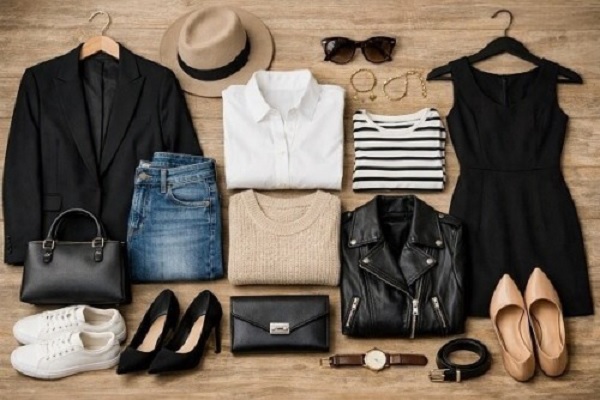
Consider investing in wardrobe essentials such as:
White shirts
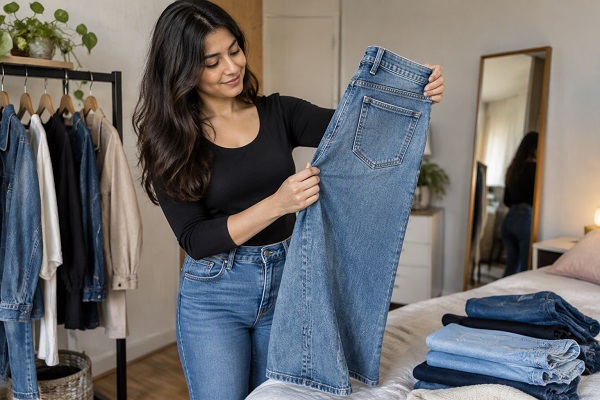
Well-fitted jeans
Neutral blazers
Solid-colored T-shirts
Classic trousers
Quality sneakers
Leather belts
These pieces can be mixed and matched for countless outfits.
Compare Price with Value
The cheapest option isn't always the most affordable in the long run.
Ask yourself:
Will I wear this frequently?
Will it last several years?
Is the fabric durable?
Is the craftsmanship good?
A slightly higher upfront cost often results in significant savings over time.
Shop During Seasonal Sales
Buying quality clothing during end-of-season sales allows you to purchase premium items at much lower prices.
Planning your purchases instead of shopping impulsively helps maximize value.
Maintain Your Clothes Properly
Even premium garments require proper care.
To extend their lifespan:
* Follow washing instructions
* Avoid excessive heat during drying
* Store clothing properly
* Use quality hangers
* Repair minor damage early
Good maintenance protects your investment and keeps clothes looking new.
Avoid Impulse Purchases
Before buying, ask yourself:
* Does this match my existing wardrobe?
* Will I wear it regularly?
* Is it comfortable?
* Is it made from quality materials?
Waiting a day before making non-essential purchases can also reduce unnecessary spending.
Conclusion
Buying quality clothing is about making informed choices rather than chasing the latest trends or biggest discounts. By paying attention to fabric, stitching, fit, hardware, and overall craftsmanship, you can build a wardrobe that looks stylish, lasts longer, and offers better value over time. Smart shopping isn't about buying more—it's about buying better.