Smart Pens That Digitize Handwriting: Where Traditional Writing Meets the Digital Future
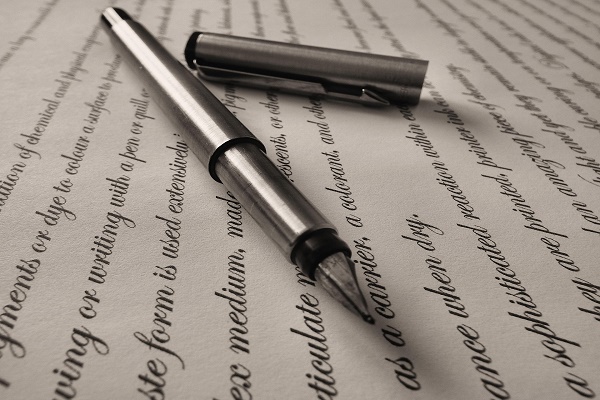
In a world dominated by screens, keyboards, and voice commands, handwriting continues to hold a unique place in how we think, learn, and create. Bridging the gap between the analog and digital worlds, smart pens that digitize handwriting have emerged as one of the most innovative gadgets of modern times. These intelligent devices allow users to write naturally on paper while instantly converting handwritten notes into digital formats, transforming the way students, professionals, and creatives capture ideas.
What Are Smart Pens?
Smart pens are advanced writing instruments equipped with sensors, cameras, or motion-tracking technology that record every stroke made on paper. As you write, draw, or sketch, the pen digitally captures the content and transfers it to a connected smartphone, tablet, or computer via Bluetooth or USB.
Unlike stylus pens used directly on screens, smart pens preserve the traditional writing experience—pen on paper—while offering the benefits of digital storage, organization, and sharing.
How Smart Pens Work
Most smart pens use one of two core technologies. Some rely on tiny built-in cameras that track pen movement on specially designed dot-pattern paper. Others use motion sensors that record the pen’s movement in space, allowing writing on regular paper.
Once connected to a companion app, the handwritten content is converted into digital text, images, or editable documents. Many smart pens also support handwriting recognition, making notes searchable and easy to organize.
Key Features That Make Smart Pens Stand Out
One of the biggest advantages of smart pens is real-time digitization. Notes appear instantly on your device as you write, eliminating the need to scan or manually type them later. Many smart pens also support audio recording, syncing voice notes with written content—an invaluable feature for lectures and meetings.
Advanced models offer cloud backup, multi-device syncing, and compatibility with apps like Evernote, OneNote, Google Drive, and Apple Notes. Some smart pens can even translate handwritten notes into typed text in multiple languages.
Ideal for Students and Educators
For students, smart pens are a game-changer. They help capture lecture notes accurately while allowing students to focus on understanding rather than frantic writing. The ability to replay audio synced with notes makes revision more effective and stress-free.
Educators benefit from smart pens by easily digitizing lesson plans, grading notes, and handwritten feedback. This blend of traditional teaching methods with digital efficiency enhances productivity and organization.
A Productivity Tool for Professionals
In the professional world, smart pens are redefining note-taking during meetings, brainstorming sessions, and client discussions. Executives, journalists, designers, and engineers can instantly store, share, and archive handwritten notes without losing the authenticity of pen-and-paper thinking.
The searchability of digitized notes saves time and improves workflow, making smart pens an essential gadget for modern workplaces.
Creative Freedom for Artists and Designers
For artists, illustrators, and designers, smart pens offer creative flexibility. Sketches can be digitized instantly, refined using design software, and shared with teams or clients. This seamless transition from paper to screen preserves artistic expression while embracing digital tools.
Security and Sustainability Benefits
Digitizing handwriting reduces the risk of losing important notes and documents. With encrypted storage and cloud backups, smart pens offer a secure way to preserve information. They also support paper reduction by encouraging reuse and digital archiving, aligning with sustainable lifestyle practices.
The Future of Smart Writing
As artificial intelligence and machine learning advance, smart pens are expected to become even more powerful. Future versions may offer improved handwriting recognition, real-time translation, enhanced gesture control, and deeper integration with productivity and learning platforms.
Smart pens represent more than just a gadget—they symbolize a shift toward hybrid living, where technology enhances natural habits rather than replacing them.
Conclusion
Smart pens that digitize handwriting are redefining how we write, learn, and work. By combining the tactile satisfaction of handwriting with the efficiency of digital tools, they offer the best of both worlds. For anyone who values ideas, creativity, and organization, smart pens are not just a technological upgrade—they are a smarter way to think, write, and create in the digital age.