Smart Investment Strategies for Beginners in 2026
Starting your investment journey in 2026 is easier than ever, thanks to digital platforms, AI-driven tools, and greater financial awareness. But with more options comes more confusion. The key for beginners isn’t chasing quick profits—it’s building a solid, long-term strategy.
Start with Clear Financial Goals
Before investing, define what you’re aiming for—buying a home, retirement, or building wealth. Your goals will determine how much risk you can take and where you should invest.
Build an Emergency Fund First
Before putting money into markets, ensure you have 3–6 months of expenses saved. This prevents you from withdrawing investments during market downturns.
Understand Risk and Diversification
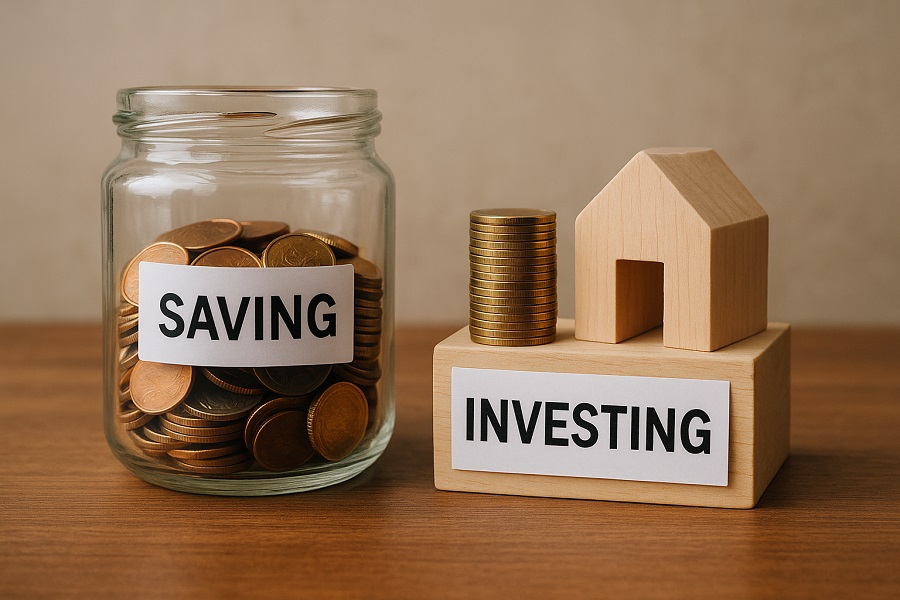
Avoid putting all your money in one place. Spread investments across stocks, mutual funds, ETFs, and safer options like bonds. Diversification reduces risk and improves stability.
Use SIPs for Consistency
Systematic Investment Plans (SIPs) remain one of the most beginner-friendly ways to invest. They encourage disciplined investing and help average out market volatility over time.
Leverage Technology, But Stay Informed
AI-powered investment apps can suggest portfolios and automate investing. While helpful, don’t rely blindly—understand where your money is going.
Think Long-Term, Ignore Noise
Markets will fluctuate. Beginners often panic during short-term drops, but long-term investing rewards patience and consistency.
Avoid Common Mistakes
- Chasing trends or “hot stocks”
- Trying to time the market
- Investing without research
- Letting emotions drive decisions
Explore New-Age Assets Carefully
Digital assets and alternative investments are more popular in 2026, but they come with higher risk. Beginners should allocate only a small portion here, if at all.
Keep Learning
Financial literacy is your biggest asset. Follow credible sources, read regularly, and review your portfolio periodically.
Final Thought
Smart investing isn’t about being perfect—it’s about being consistent, informed, and patient. Start small, stay disciplined, and let compounding do the heavy lifting over time.