Smart AR Contact Lenses Are Shaping the Next Layer of Reality
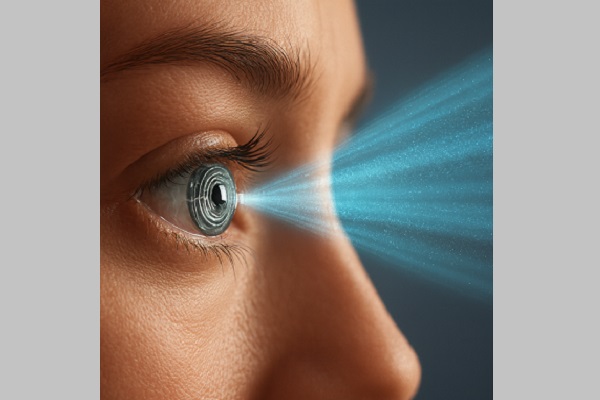
Smart AR contact lenses are moving from concept to reality, and they promise to change how we interact with information. Instead of looking at a phone or wearing bulky glasses, these lenses bring digital content directly into your field of view. They turn the world into a blended space where real and virtual elements sit side by side.
The idea is simple. The lenses contain tiny displays, sensors and processors that work together to project visuals onto your sightline. You might see navigation arrows on the road ahead or quick notes floating near your hand. Everything appears natural because the display sits exactly where you’re looking. The goal is to make information feel like part of your surroundings, not something you need to hold.
These lenses can do more than just show visuals. They can track eye movement, adjust brightness automatically and connect with your phone or smartwatch. Some prototypes even include health monitoring features. This could allow real-time measurements of hydration, glucose levels or other indicators. For many people, it could offer a more comfortable and discreet alternative to current wearables.
Smart AR contact lenses also open new possibilities in daily life. Imagine checking a message during a meeting without glancing at a screen or getting live translation while talking to someone from another country. In creative fields, designers and engineers could visualize models in real environments. Students could see extra information layered over textbooks or lab equipment.
There are challenges ahead, especially around battery life, privacy and safety, but the progress so far is encouraging. Companies are testing more efficient micro-displays, wireless charging methods and secure ways to handle data. As these pieces come together, the lenses will become more practical for everyday use.
Smart AR contact lenses represent a step toward a world where technology feels almost invisible. They offer a future where information follows your gaze, and the line between digital and physical becomes smoother and more intuitive.