Signs You May Not Be Drinking Enough Water

Water is essential for many of the body's everyday functions, including regulating temperature, supporting digestion, transporting nutrients, and maintaining normal physical performance. When the body loses more fluid than it takes in, dehydration can occur.
While thirst is a common sign, your body may show other signals that you need more fluids. Here are some common signs to watch for.
1. Feeling Thirsty Frequently
Thirst is one of the body's natural ways of signaling that it needs more fluid. If you regularly feel thirsty throughout the day, it may be a reminder to pay more attention to your fluid intake.
2. Dark-Colored Urine
Urine color can provide a general indication of hydration. Dark yellow urine may occur when the urine is more concentrated. Pale yellow urine is generally associated with better hydration, although urine color can also be affected by certain foods, supplements, and medications.
3. Dry Mouth and Lips
A dry or sticky feeling in the mouth and noticeably dry lips can sometimes occur when you are not getting enough fluids. Drinking water regularly can help maintain normal moisture levels.
4. Headaches
Dehydration can sometimes be associated with headaches. If you have been sweating, exercising, spending time in hot weather, or simply drinking very little, increasing your fluid intake may help if dehydration is contributing to the discomfort.
5. Feeling Tired or Low on Energy
Not drinking enough fluids may contribute to feelings of tiredness or reduced energy. Staying adequately hydrated is particularly important during physical activity and hot weather.
6. Dizziness or Lightheadedness
Mild dehydration can sometimes be accompanied by dizziness or lightheadedness. If you experience these symptoms repeatedly or severely, it is important not to assume that dehydration is the only possible cause and to seek medical advice when appropriate.
7. Constipation
Adequate fluid intake supports normal digestion and helps keep stools softer. Low fluid intake can contribute to constipation, particularly when combined with insufficient dietary fiber and low physical activity.
8. Dry Skin
Skin can become dry for many reasons, including weather, skincare products, and environmental conditions. However, inadequate fluid intake can also contribute to overall dryness, especially when combined with fluid loss.
9. Reduced Exercise Performance
During exercise, the body loses fluids through sweat. Insufficient fluid replacement can affect physical performance and make exercise feel more difficult. Drinking fluids before, during, and after activity can help support proper hydration.
How to Stay Hydrated
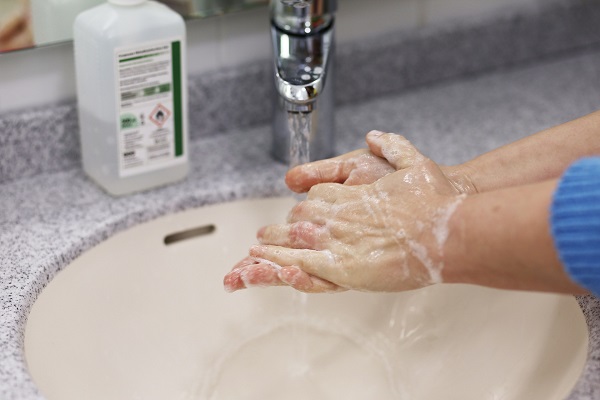
Instead of waiting until you feel very thirsty, make drinking fluids a regular part of your day. Keep water nearby, drink with meals, and increase your fluid intake when you are exercising or spending time in hot conditions.
Water is an excellent choice, but foods with high water content, such as fruits and vegetables, can also contribute to overall fluid intake.
Final Thoughts
Thirst, dark urine, dry mouth, tiredness, headaches, dizziness, and constipation can sometimes be signs that you need more fluids. However, these symptoms can have many other causes, so they should not automatically be attributed to dehydration.
Making hydration a regular daily habit can help support normal body functions and overall well-being. If you have persistent or severe symptoms, especially confusion, fainting, inability to keep fluids down, or very little urination, seek medical care promptly.