Rupee Under Stress: Understanding Forex Volatility in the Current Context by CareEdge Ratings
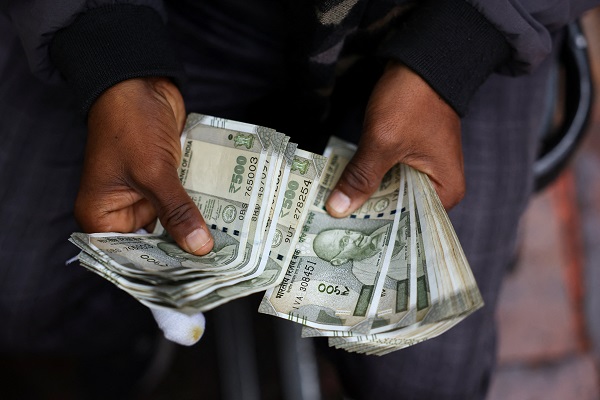
Amid the ongoing West Asia crisis, India’s foreign exchange markets have experienced heightened volatility, driven largely by rising energy prices and moderating capital flows. The RBI has responded proactively, taking measures to curb speculative activity and ensure orderly movements in the exchange rate. This report takes a deeper look at the present episode of volatility and the key reasons behind the rupee weakness. It looks further into past episodes of sharp rupee depreciation and the policy measures adopted to contain the currency weakening. The report also investigates the relatively better macro preparedness of the economy to manage the current episode of foreign exchange volatility than in previous instances
The current episode of volatility
Since the onset of the West Asia conflict, most currencies have depreciated against the US dollar, with a few exceptions such as the BRL, CNY, and GBP (Exhibit 1). Depreciation is particularly large for currencies like the Philippine Peso, Indian Rupee, South African Rand, Thai Baht, Korean Won, and Indonesian Rupiah, as these economies are highly dependent on West Asia for energy imports. Given exposure to the West Asia crisis, Asian currencies have taken a bigger hit compared to their global peers.
While such depreciation is largely expected amid rising energy prices and capital flows shifting toward safe-haven assets like the US dollar, the weakness in the Indian rupee has been a more persistent concern over the past year, even before the conflict. Weak capital flows in the last year have been a major factor behind the weakening pressure on the rupee. The recent escalation in tensions in West Asia has only intensified these downward pressures. The persistent weakness in the rupee is evident from its ~11% depreciation over the past year, of which 4.7% occurred since the war started.
RBI has been proactive in limiting volatility
The downside since the war has been limited by the RBI’s forex intervention and other measures, such as capping net open positions of banks in rupee. The RBI has actively intervened in both the spot and forward markets. RBI’s intervention is evident from the fact that India’s forex reserves have declined by approximately USD 33 billion (as of 1st May) since the onset of the conflict. India still has large forex reserves of around USD 690 bn. However, adjusting for gold holdings and SDRs, it falls to about USD 560 billion; further adjusting for the RBI’s forward position, it falls to USD 460 billion. This infact is not particularly concerning, as nearly USD 115 billion of the RBI’s gold reserves is liquid and can be deployed to cushion against external shocks. While still at comfortable levels, the overall fall in forex reserves suggests that the RBI is likely to act prudently to preserve adequate reserve buffers, although it retains some capacity for spot market intervention going ahead. On the forward markets, the RBI’s net short forward position had already expanded to USD 103 billion as of end-March, according to official data. It may have increased further by end-April. Net short in the RBI’s forward book has earlier reached a peak of USD 89 billion in February 2025. The net short position in the forward book has now exceeded its previous peak. In recent months, the RBI has increasingly relied on longer-tenor contracts for intervention in the forward market. Reflecting this shift, the share of contracts with maturities exceeding one year rose sharply to around 50% of the RBI’s forward book as of end-March, compared with nil in January 2025.
Above views are of the author and not of the website kindly read disclaimer







.jpg)