Optimistic but nuanced outlook for Indian Economy in Q3 and Q4 FY2026: Brickwork Ratings

India’s GDP growth expected to ease to 6.4% in Q3 and 6.3% in Q4 FY2026
In its latest report - Navigating headwinds, harnessing reform: India’s growth engine powers ahead, Brickwork Ratings, a home-grown rating agency in India, maintains an optimistic but nuanced outlook for the Indian economy in the remaining quarters of FY2026.
India’s economy entered Q3 FY2026 amidst a complex global backdrop marked by rising US tariffs, visa fee hikes impacting the IT sector, and significant domestic policy adjustments. Against this backdrop, Brickwork Ratings expects India’s GDP growth to ease to 6.4% in Q3 and 6.3% in Q4 FY2026. GST cuts provide partial relief but are insufficient to fully offset trade?related headwinds. Inflation is expected to stay moderate, aided by food stability and easing core pressures; global commodity volatility remains the key risk.
“While domestic demand and reform momentum provide a strong foundation, external risks—including tariff actions, global demand softness, and energy import dependence—require continued vigilance. From a credit ratings perspective, India’s robust sectoral momentum is bolstering macroeconomic resilience and strengthening fiscal revenues, though sectoral imbalances underscore the need for broader diversification to sustain investor confidence. Structural reforms—such as GST rationalization, targeted tax relief, and infrastructure-led public spending—are anchoring low inflation while enhancing fiscal efficiency and promoting inclusive growth, thereby reinforcing the foundations of sovereign credit stability and mitigating overall credit risk.,” says Rajeev Sharan, Head – Criteria, Model Development & Research, Brickwork Ratings.
GDP Growth
Brickwork Ratings has revised India’s real GDP growth forecast for FY2026 to 7.2% from the earlier estimate of 6.8%, reflecting strong private consumption, robust investment activity, sustained public expenditure, a favourable monsoon, trade diversification, and the positive effects of GST reforms. For H2 FY2026, growth projections in Q3 FY2026 and Q4 FY2026 is estimated to be 6.4% and 6.3%, respectively.
Inflation
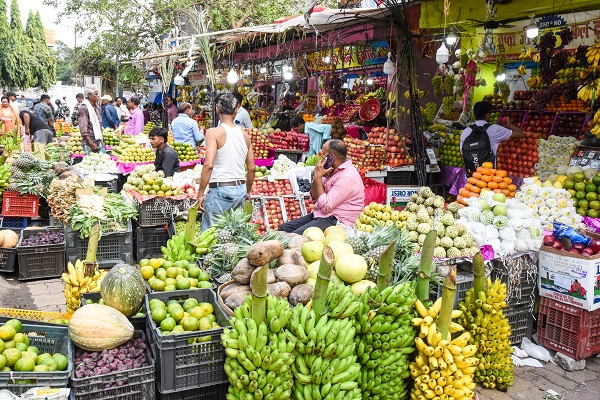
Food prices, a major component of CPI, contracted 5.02% year-on-year in October following a 1.58% decline in Q2 FY2026, mainly driven by the impact of GST decline, favourable base effect and a drop in prices of oil & fats, vegetable, fruits, cereal, transport & communication, etc. The negative food inflation provided relief to lower-income households, especially in rural areas where food constitutes a larger share of consumption. Having said that, a prolonged disinflation could weigh on rural incomes and demand, posing challenges for monetary policy calibration and overall growth sustainability.
Looking ahead, the exceptionally low readings create a base effect that will mechanically lift headline inflation in Q4 FY2026 even if underlying price trends remain benign. Having said that, inflation over the next two to four quarters is expected to remain moderate, supported by food price stability and easing core pressures.
Domestic Conditions
The outlook for H2 FY2026 remains positive, supported by infrastructure spending, manufacturing incentives, and a lift in consumer spending in Q3 due to festive season in India. Recovery in mining and electricity towards the end of 2025 is expected to support IIP growth.
While global headwinds—especially weak demand in Europe and China and the US tariff—may weigh on exports, domestic resilience driven by government capex and digital manufacturing should sustain momentum.
Trade
India’s trade outlook faces mounting risks as a widening trade deficit and elevated oil prices heighten currency and inflation pressures, complicating the monetary policy landscape. Export momentum remains vulnerable to tariff uncertainties—particularly from the US and EU—and subdued demand in key markets like China and Europe.
India’s relatively low export-to-GDP ratio (about 20%) mitigates some growth risks, but prolonged headwinds could derail capital investment plans. “Strengthening ties with high-growth regions, upgrading domestic manufacturing capabilities, and strategically leveraging the current situation to finalize favourable FTAs are essential pivots for sustaining export momentum,” adds Sharan.
H-1B Visa
The increase in H-1B visa fees to USD 100,000 for new applications remains a major hurdle for India’s IT talent, considering Indian professionals account for 71% of H-1B visas. Indian IT firms, deriving 50–60% of revenues from the U.S., may face short-term pressure on the margins.
On the upside, the fee hike accelerates India’s IT pivot toward remote delivery, local innovation, and Global Capability Centres (GCCs), strengthening domestic employment and innovation hubs. While margins face short-term stress, structural drivers—digital transformation, cloud, AI, and cybersecurity—remain intact.
The Indian Rupee
The Indian rupee fell to a record low of INR 88.8/USD in Q2 FY2026, marking its steepest decline since early 2025. The depreciation was driven by rising US yields, strong US dollar demand from importers, and persistent geopolitical tensions. Domestic pressures on the rupee included a widening trade deficit and sustained foreign portfolio outflows. For the coming quarters, the Rupee may stabilize below INR 90/USD, but its trajectory hinges on inflation, tariffs, and RBI strategy.
Forex Reserve
For the second half of FY2026, India’s forex reserves are expected to remain robust, supported by export momentum, foreign investment inflows, and prudent reserve management. The Reserve Bank of India’s (RBI) diversification strategy, including higher gold allocation, will continue to shape reserve composition.
Above views are of the author and not of the website kindly read disclaimer