NITI Aayog unveils reports on decarbonisation roadmaps for cement, aluminium, MSME sectors
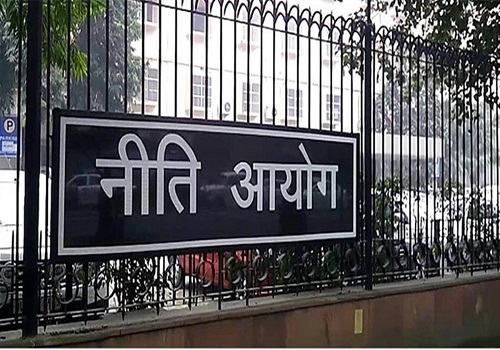
India pledged to achieve net-zero greenhouse gas emissions by 2070. Therefore, a need was identified for developing industry specific green transition roadmaps that are consistent with Viksit Bharat by 2047. In this context, NITI Aayog has released three reports outlining decarbonisation pathways for the cement, aluminium, and MSME sectors, prepared through extensive consultations with ministries, industry players, research bodies, and knowledge partners.
The first report highlighted that cement production is expected to rise sevenfold, from 391 million tonnes in 2023 to 2,100 million tonnes by 2070. Under the decarbonisation strategy, the cement sector must reduce its carbon intensity from 0.63 tCO2e per tonne of cement to approximately 0.09-0.13 tCO2e per tonne by 2070. The report proposed to prioritize the use of refuse-derived fuels, clinker substitution, scaling up of Carbon Capture, Utilisation and Storage (CCUS) and effective implementation of Carbon Credit Trading Scheme to enable deep decarbonisation in this sector.
Further, second report stated that aluminium production is projected to rise from 4 million tonnes in 2023 to 37 million tonnes by 2070. The decarbonisation roadmap identifies three phased solutions - transition to Renewable Energy-Round the Clock (RE-RTC) power and enhanced grid connectivity in the short term, adoption of nuclear power in the medium term, and long-term integration of CCUS.
Besides, third report said India’s Micro, Small and Medium Enterprises (MSMEs) form the backbone of the country’s industrial landscape, contributing nearly 30% to national GDP, employing over 250 million people, and accounting for around 46% of exports. The Roadmap for Green Transition of MSMEs focuses on three key levers: deployment of energy-efficient equipment, adoption of alternative fuels, and integration of green electricity.