Natural farming boosts productivity, incomes by 30 pc in Andhra Pradesh
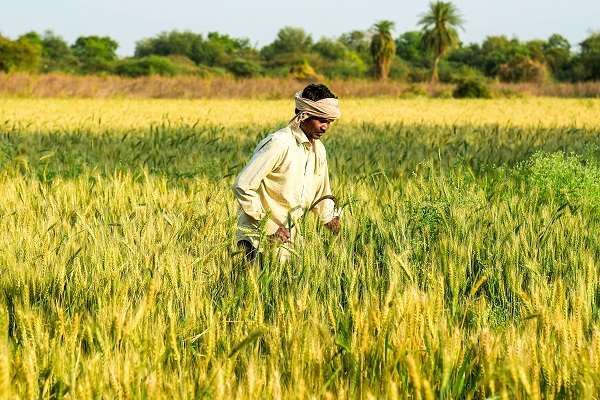
A project run by government and UN Environment Programme (UNEP) promoting natural farming in Andhra Pradesh caused at least 30 per cent increase in productivity and farmer incomes, a new report has said.
The initiative has already reached over 3 million farmers, with plans to double that number and share lessons globally, the report from the UNEP said.
The project namely Andhra Pradesh Community Managed Natural Farming initiative (APCNF), which evolved from a 2004 Community Managed Sustainable Agriculture programme, forgoes use of chemical fertilisers and pesticides for natural bio-stimulants made from ingredients such as cow urine and dung.
The bio-stimulant will revive soil microbes which will bolster soil fertility by breaking down organic matter and minerals, releasing nutrients.
“Small quantities of bio-stimulants will trigger the soil microbes. After some years, we will not even need them when the soil becomes fertile,” Dinesh Kumar, a local government official said.
Diverse plants will feed the soil, and the soil will remain healthy, feeding the plants in turn without any need for external fertilisers, the report explained the philosophy of the program.
Andhra Pradesh has suffered from declining soil fertility due to erratic rainfall and rapidly declining biodiversity due to monocropping.
Madhuri Nanda, Director for South Asia at Rainforest Alliance said monocropping causes soil erosion, water runoff and leaching of nutrients.
Burudi Kumari, a five-year local practitioner of natural farming said that the quality of soil has improved, and she spends less money on fertiliser, increasing his earnings.
Kumari is now a lead farmer in her self-help group, helping others make the transition. "I was very proud to be elected as a lead farmer introducing others to natural farming," she said.
Sustainable food cultivation also depends on sufficient earnings for farmers and so the initiative has been engaging with the private sector, connecting farmers to markets, and increasing consumer confidence through certification and traceability.