Mountain Trekking Lodges: A Cozy Retreat for Adventure Travelers
Mountain trekking is one of the most thrilling ways to explore nature, offering breathtaking views, fresh air, and unforgettable experiences. However, after a long day of hiking through rugged trails and steep slopes, trekkers need a comfortable place to rest. This is where mountain trekking lodges play an important role. These lodges provide warmth, safety, and relaxation for travelers exploring high-altitude regions.
What Are Mountain Trekking Lodges?
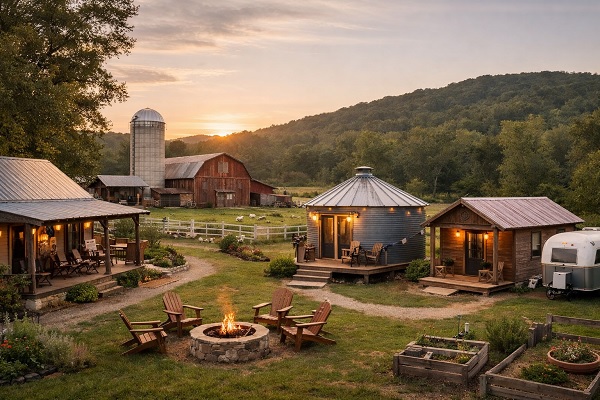
Mountain trekking lodges are accommodations located along trekking routes in mountainous regions. They are designed specifically for hikers, climbers, and nature lovers who need a place to stay during their journey. Unlike luxury hotels, these lodges focus on comfort, practicality, and accessibility for adventure travelers.
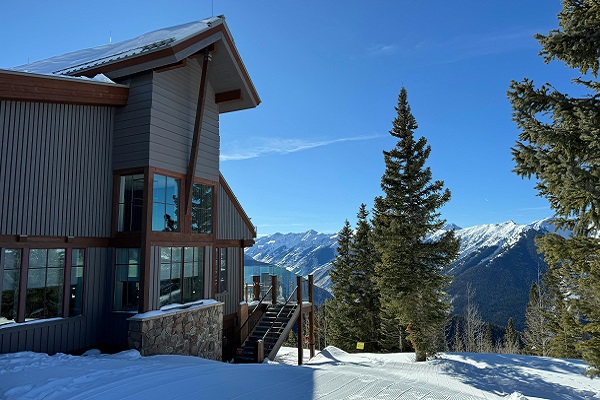
Many lodges are built using local materials such as wood and stone, blending beautifully with the natural environment. Their cozy interiors, warm fireplaces, and scenic views make them a perfect resting place after a long trek.
Facilities Offered in Trekking Lodges
Most mountain trekking lodges provide essential facilities to make trekkers comfortable during their stay. Common amenities include:
Comfortable beds or sleeping areas
Hot meals and beverages
Basic bathrooms and washing areas
Warm blankets and heating systems
Trekking guides and local information
Emergency support in remote areas
Some modern trekking lodges also offer Wi-Fi, solar power, and charging stations for electronic devices, making it easier for travelers to stay connected.
Popular Destinations for Trekking Lodges
Mountain trekking lodges can be found in many famous trekking destinations around the world. Some of the most popular regions include:
The Himalayan trekking routes
The Swiss Alps
The Andes Mountains in South America
The Rocky Mountains in North America
These lodges often serve as base camps or rest stops where trekkers can recharge before continuing their journey.
Benefits of Staying in Trekking Lodges
Staying in a trekking lodge offers several advantages for adventure travelers:
1. Safety in Remote Areas
Lodges provide a safe shelter from extreme weather conditions and harsh mountain environments.
2. Cultural Experience
Many lodges are run by local families, allowing trekkers to experience regional traditions, cuisine, and hospitality.
3. Social Interaction
Trekkers from different parts of the world often gather in lodges, sharing stories, travel tips, and memorable experiences.
4. Energy and Rest
After hours of trekking, a warm meal and comfortable bed help travelers recover for the next day's adventure.
Eco-Friendly Mountain Lodges
In recent years, many trekking lodges have adopted sustainable tourism practices. They use solar energy, rainwater harvesting, and eco-friendly waste management systems to protect fragile mountain ecosystems.
Travelers are also encouraged to follow responsible trekking habits such as minimizing waste, respecting wildlife, and supporting local communities.
Final Thoughts
Mountain trekking lodges are more than just places to sleep—they are essential hubs for adventure, culture, and comfort in the heart of the mountains. Whether you are trekking through snow-covered peaks or lush alpine valleys, these lodges provide the perfect balance of relaxation and adventure.
For nature lovers and trekking enthusiasts, staying in a mountain lodge can become one of the most memorable parts of the journey.