Mix Metals Like a Pro: How to Master the Trend With Everyday Elegance
For many years, fashion rules suggested that you should never mix metals in your accessories. If you wore gold, everything had to be gold. If you chose silver, every piece needed to match. But modern fashion has rewritten that rule. Today, mixing metals is one of the most stylish and versatile trends in jewelry and accessories. When done correctly, it adds depth, personality, and sophistication to your everyday look.
Why Mixing Metals Is Trending
The rise of personal style and minimal fashion has made mixed metals extremely popular. Instead of sticking to a single tone, people now combine gold, silver, rose gold, and even oxidized metals to create a balanced yet eye-catching appearance. This trend works beautifully because it feels effortless and modern rather than overly coordinated.
Mixing metals also allows you to wear all your favorite pieces together instead of choosing one over the other. Your gold bracelet, silver watch, and rose gold ring can all coexist in one stylish outfit.
Start With a Dominant Metal
If you are new to the mixed-metal trend, begin by choosing one metal as the base. For example, if your necklace is gold, you can add a silver bracelet or ring to create contrast. Keeping one dominant tone helps maintain balance and prevents the look from appearing chaotic.
This simple styling trick ensures the combination feels intentional and elegant.
Layer Your Jewelry Thoughtfully
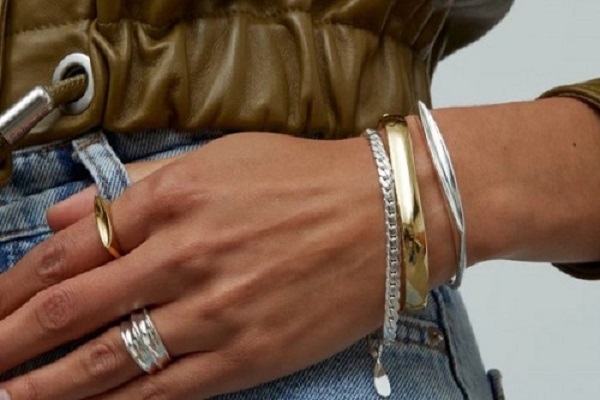
Layering is the easiest way to mix metals. Try stacking bracelets of different metals or wearing layered necklaces that combine gold and silver chains. The key is to keep the pieces simple and complementary so that they blend seamlessly.
For instance, a delicate gold chain paired with a thin silver pendant necklace can create a refined and polished appearance suitable for everyday wear.
Balance the Proportions
Balance is essential when combining different metals. If you are wearing a bold gold cuff bracelet, pair it with smaller silver rings rather than another chunky piece. This keeps the look visually balanced and prevents accessories from competing for attention.
Similarly, mixing thin and thick pieces adds texture and dimension to your outfit.
Use Neutral Outfits as a Base
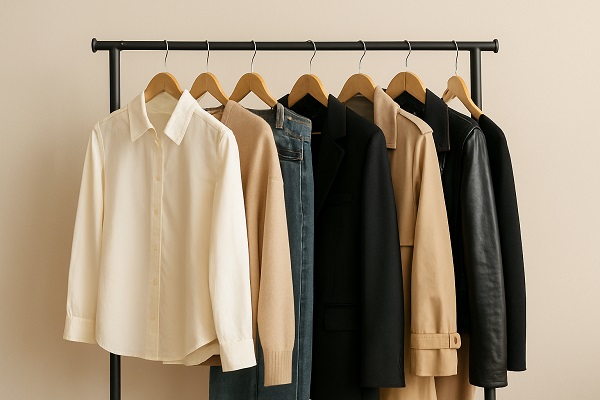
Neutral clothing colors like white, black, beige, and denim provide the perfect canvas for mixed-metal jewelry. These shades allow the metals to stand out without clashing with your outfit.
For example, a simple white shirt with layered gold and silver necklaces instantly looks chic and effortless.
Choose Pieces That Already Mix Metals
Another simple way to master the trend is by starting with jewelry that already combines metals. Two-tone watches, rings, and bracelets are designed to blend gold and silver naturally. These pieces make it easy to build the rest of your accessories around them.
Once you have one mixed-metal item, adding other pieces becomes much easier.
Keep It Minimal and Elegant
The secret to mastering mixed metals is subtlety. You don’t need to wear too many accessories at once. Even two or three carefully chosen pieces can create a sophisticated effect.
Focus on clean designs and everyday elegance rather than overly elaborate jewelry.
Confidence Is the Final Touch
Fashion trends always work best when worn with confidence. Mixing metals is less about strict rules and more about expressing your personal style. Experiment with different combinations until you find what feels natural and stylish for you.
Final Thoughts
The mixed-metal trend proves that fashion rules are meant to evolve. By combining gold, silver, rose gold, and other tones thoughtfully, you can create a fresh, modern look that feels both elegant and effortless. With the right balance and a bit of creativity, mastering this trend is easier than you think—and it allows you to enjoy every piece of jewelry you own.